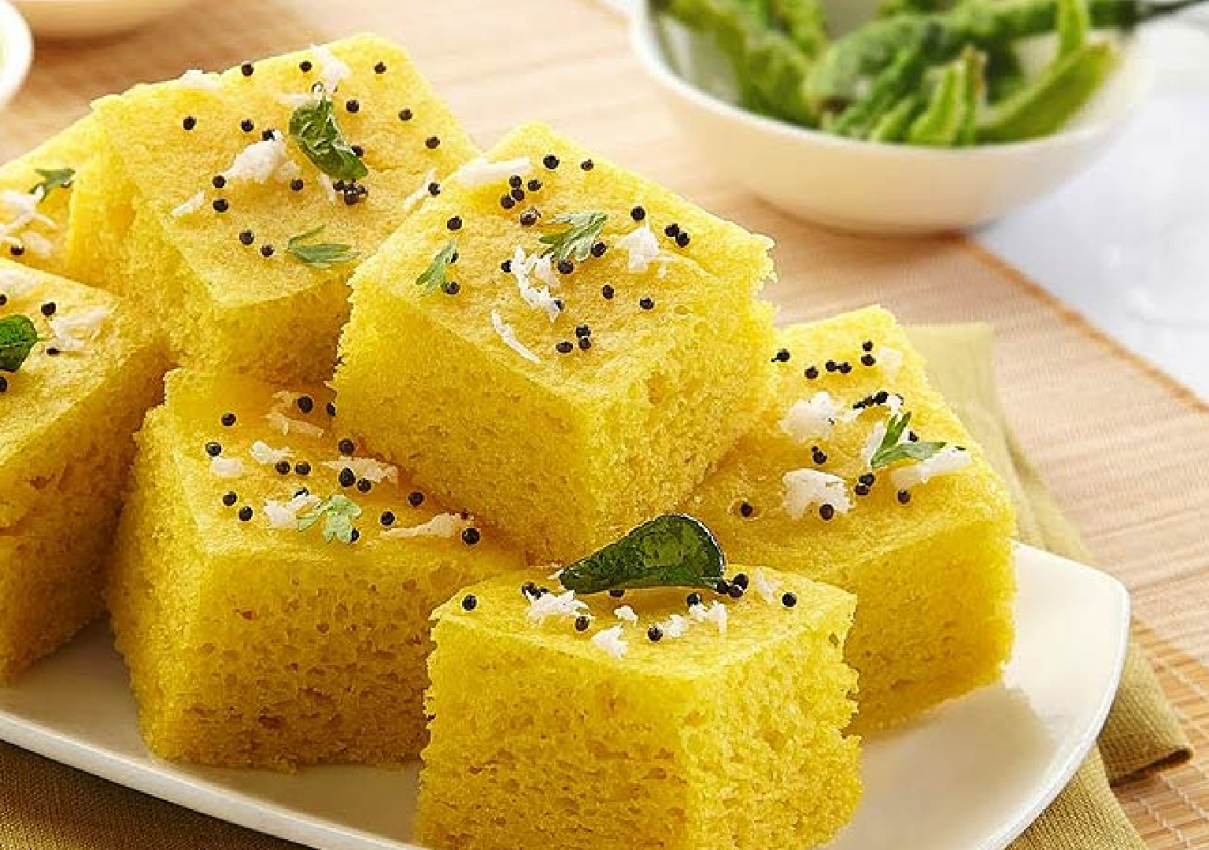
Fluffy, soft, and melt-in-mouth — this instant besan dhokla is like a sunshine start to your day.
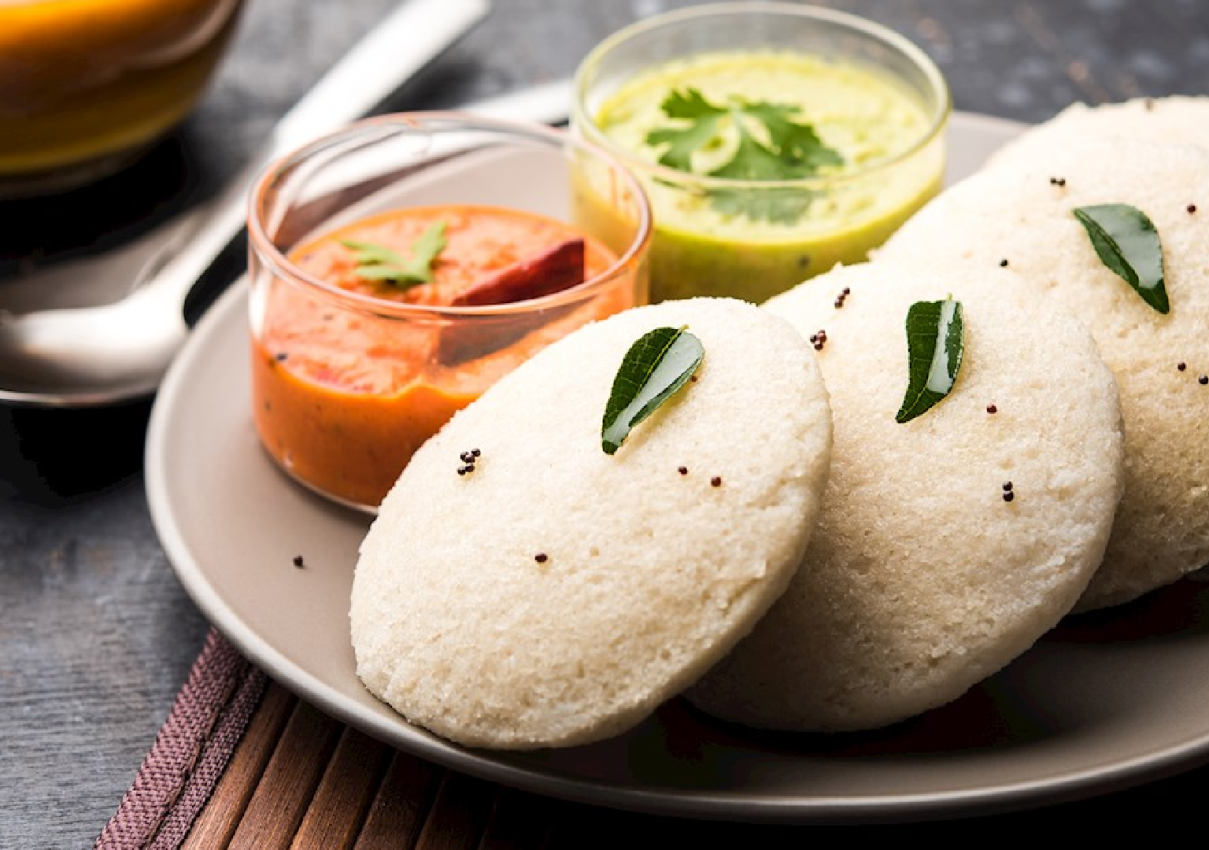
Suji Idli Recipe | Rava Idli | Instant Suji Idli with step-by-step recipe. A soft, fluffy, and instant breakfast made using suji (semolina), curd, and eno/baking soda. Unlike traditional rice idli, this version requires no soaking or fermentation, making it a perfect choice for busy mornings.

Golden, crispy, and spiced just right — this besan toast is the ultimate quick fix for busy mornings.
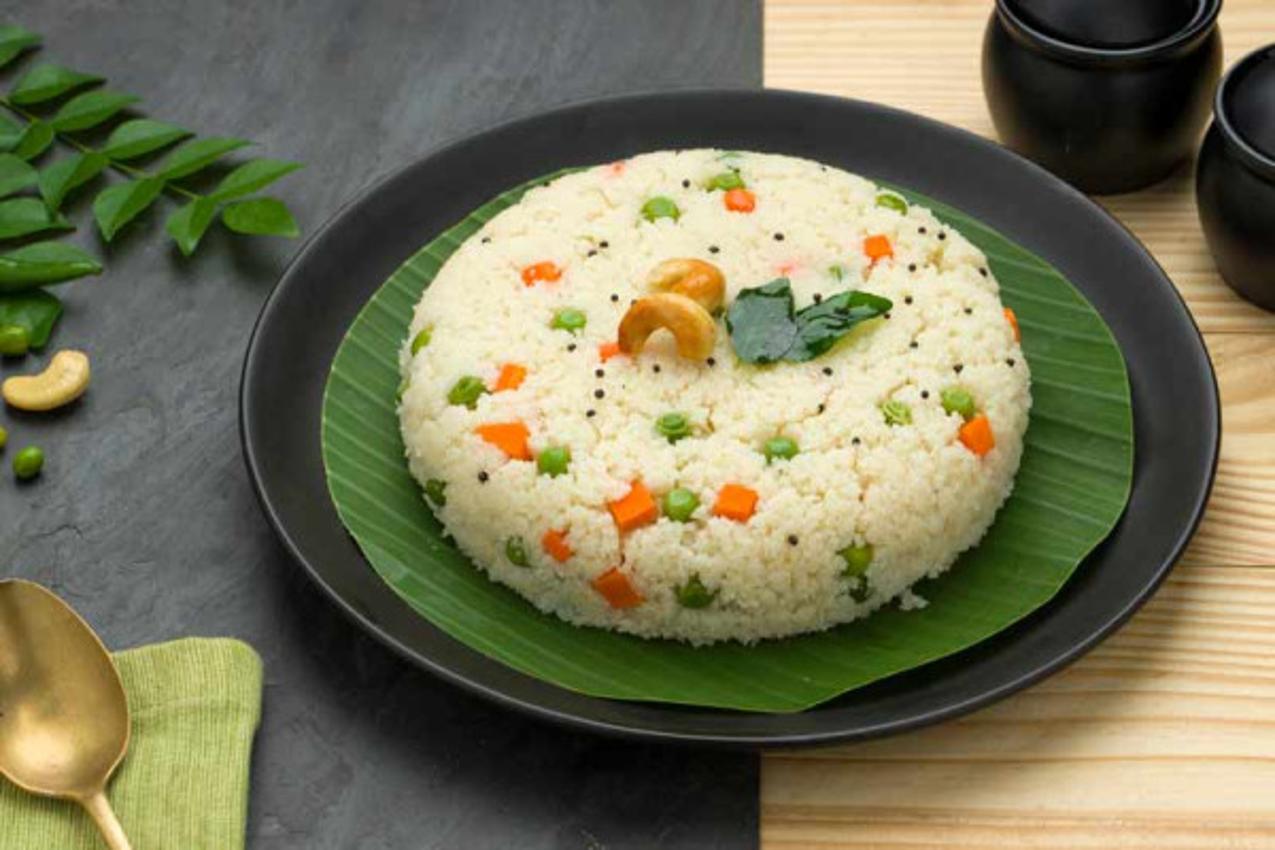
Warm, soft, and lightly spiced — suji upma is the classic South Indian breakfast that’s as quick as it is comforting.
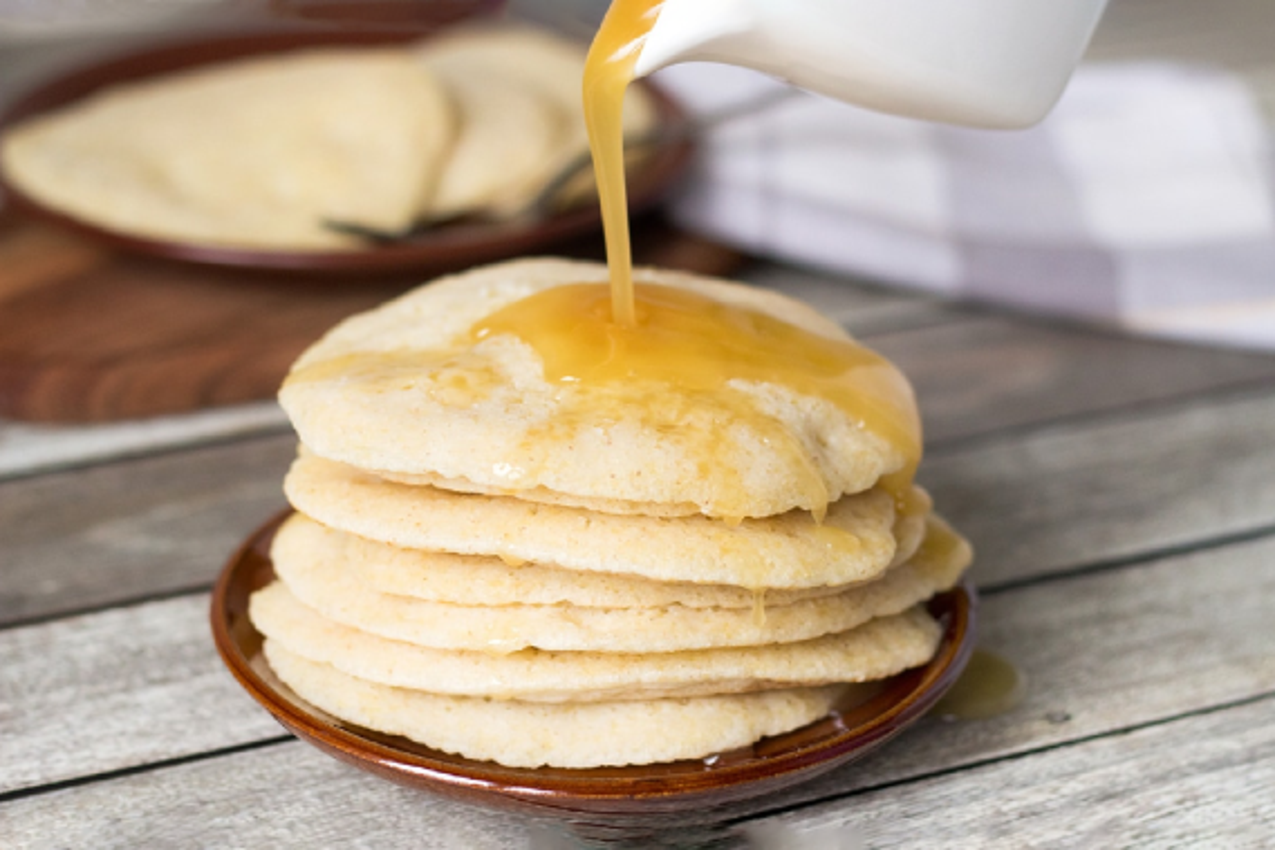
Golden, fluffy, and veggie-packed — these suji pancakes are a wholesome breakfast that feels light yet satisfying.
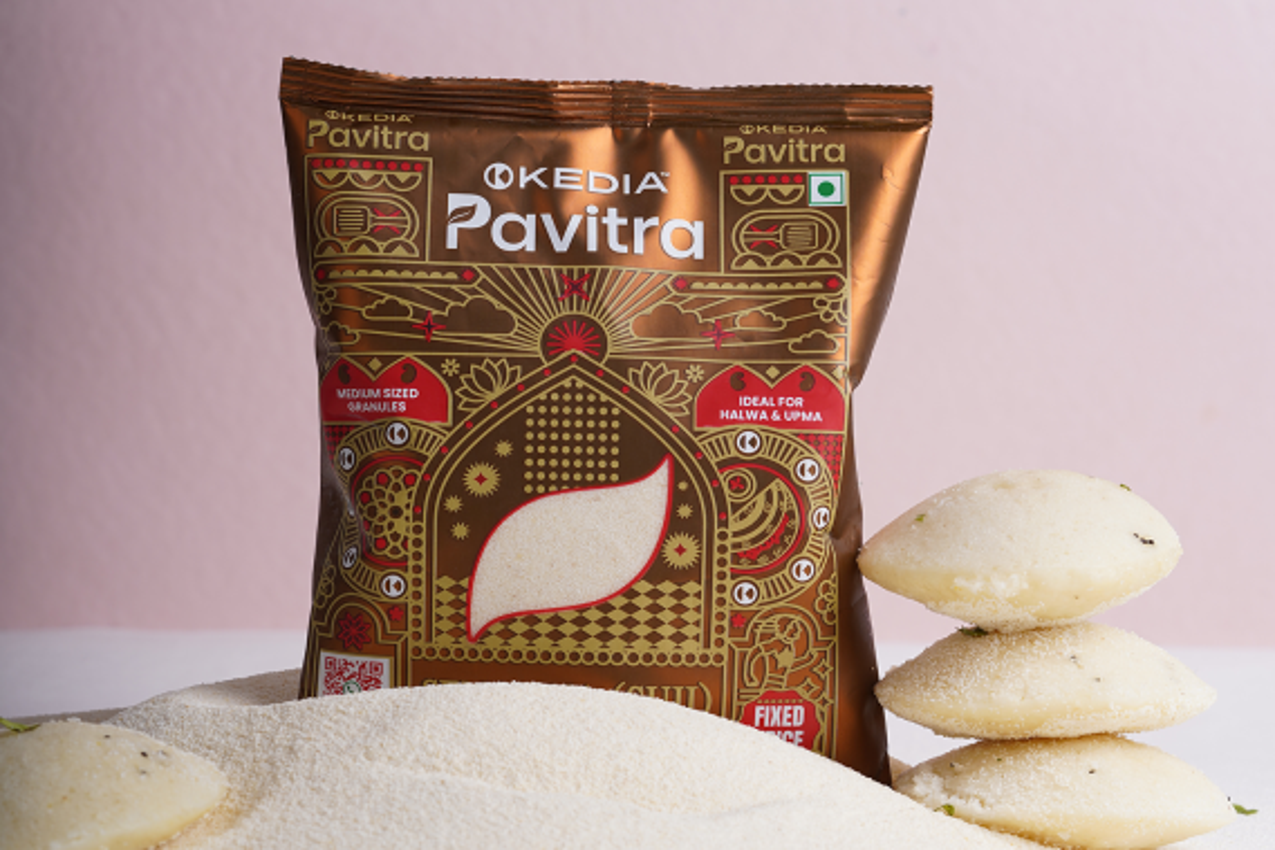
Semolina, the golden grain made from wheat, has long been cherished for its versatility. From steaming bowls of halwa at festivals to a simple upma on hurried mornings, it carried warmth and nourishment. What earlier generations felt through experience, science now helps us articulate.
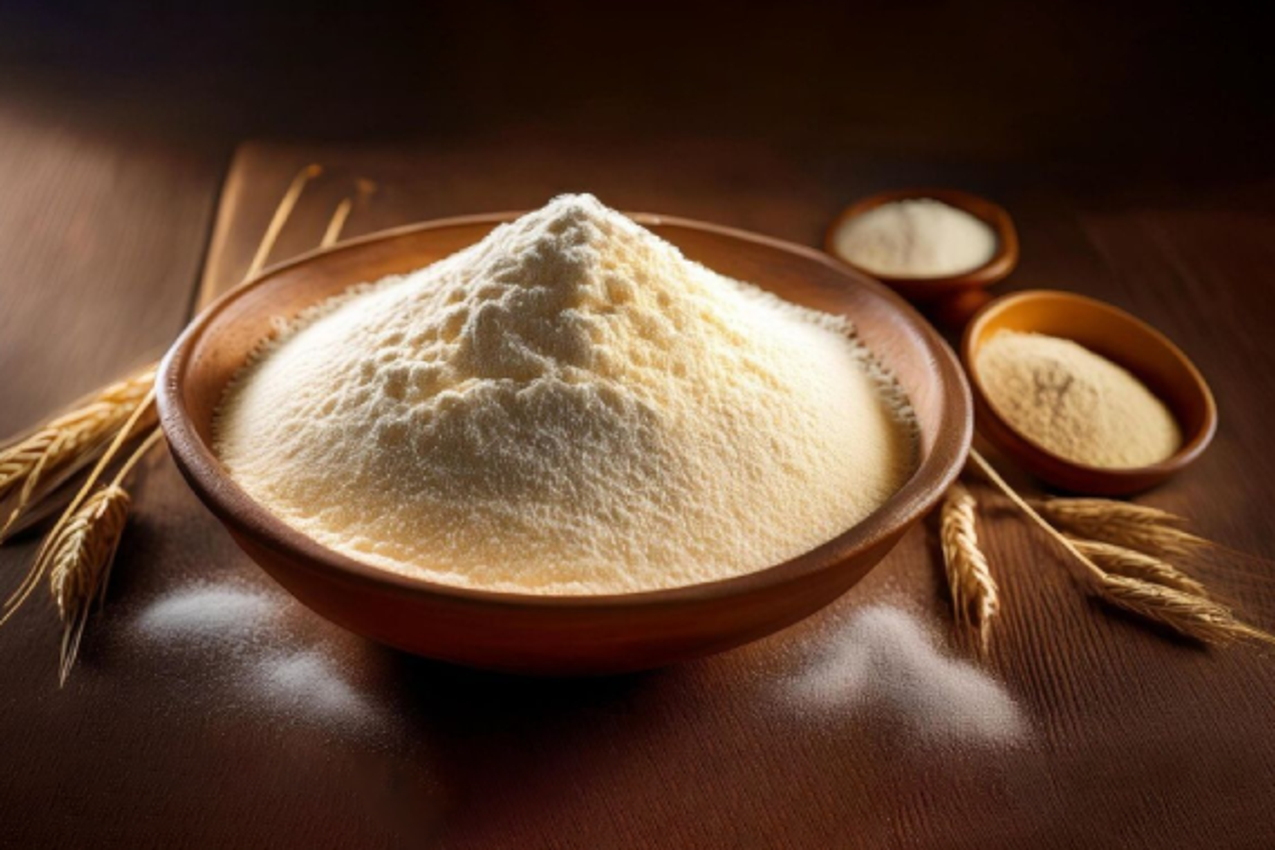
In kitchens across India, semolina (suji or rava) has been a grain of quiet endurance. From upma to porridge, it nourished mornings, festivals, and long working days. People relied on it instinctively, though they rarely explained why. Today, science helps us understand what tradition always sensed.
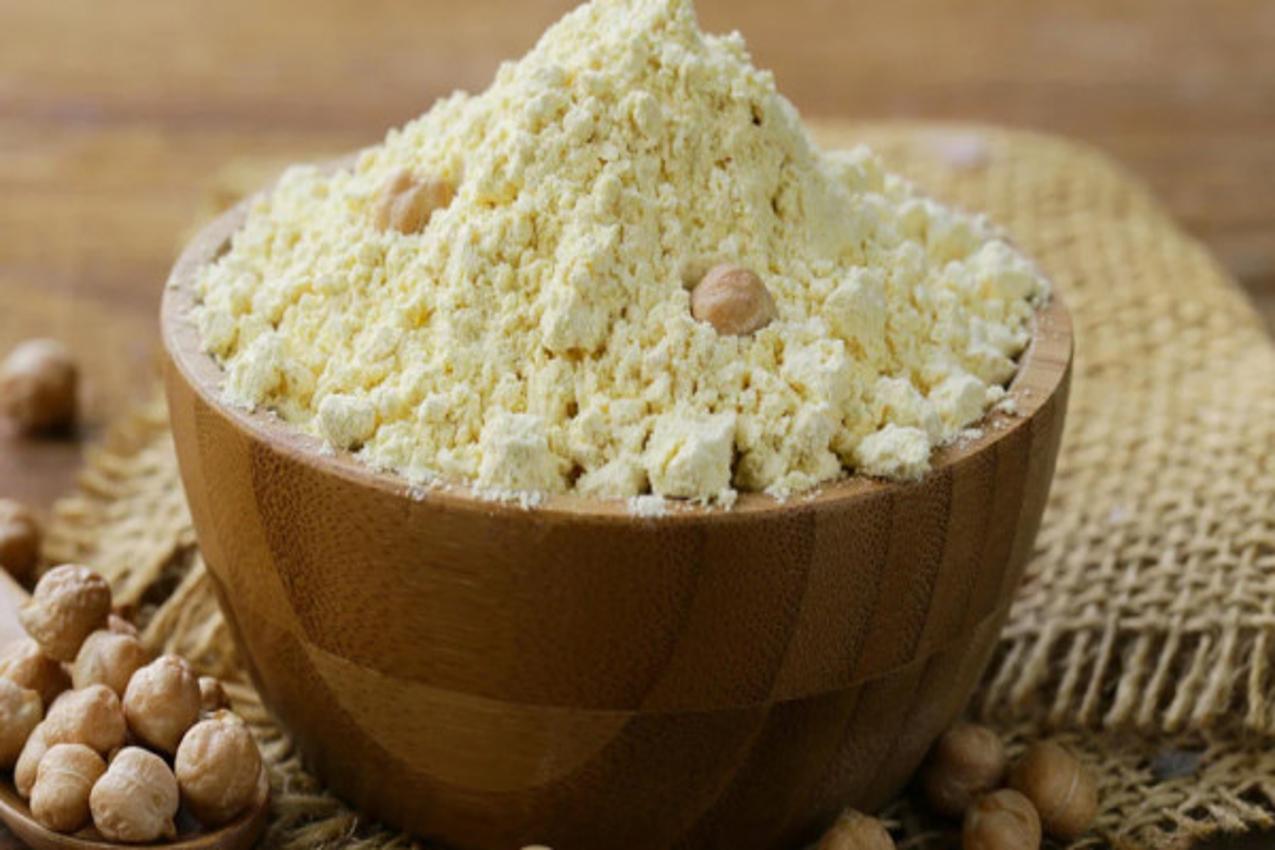
Did you know a bowl of kadhi holds more healing power than it seems? The answer lies in besan. When the monsoon clouds are brewing and kitchens are filled with the sound of kadhi simmering in clay pots, the smell is very healing. Science suggests that besan is high in soluble fiber, which supports digestion and manages cholesterol.
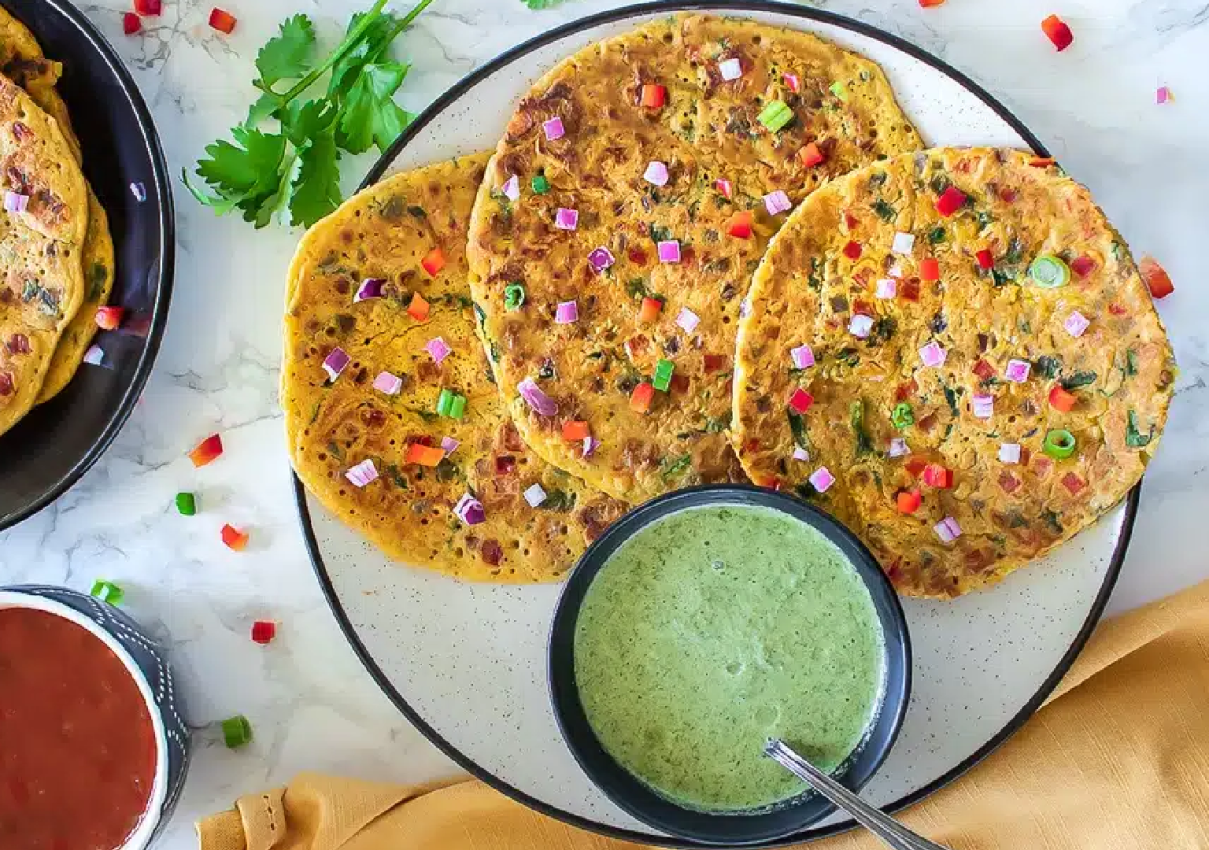
Households were already well aware of the value of nutrition long before laboratories began to compile nutrition charts and percentages. And within every grain of this golden flour rests a secret, which generations bore onward—a truth that gave life in the fields, in the home, and in the rites.
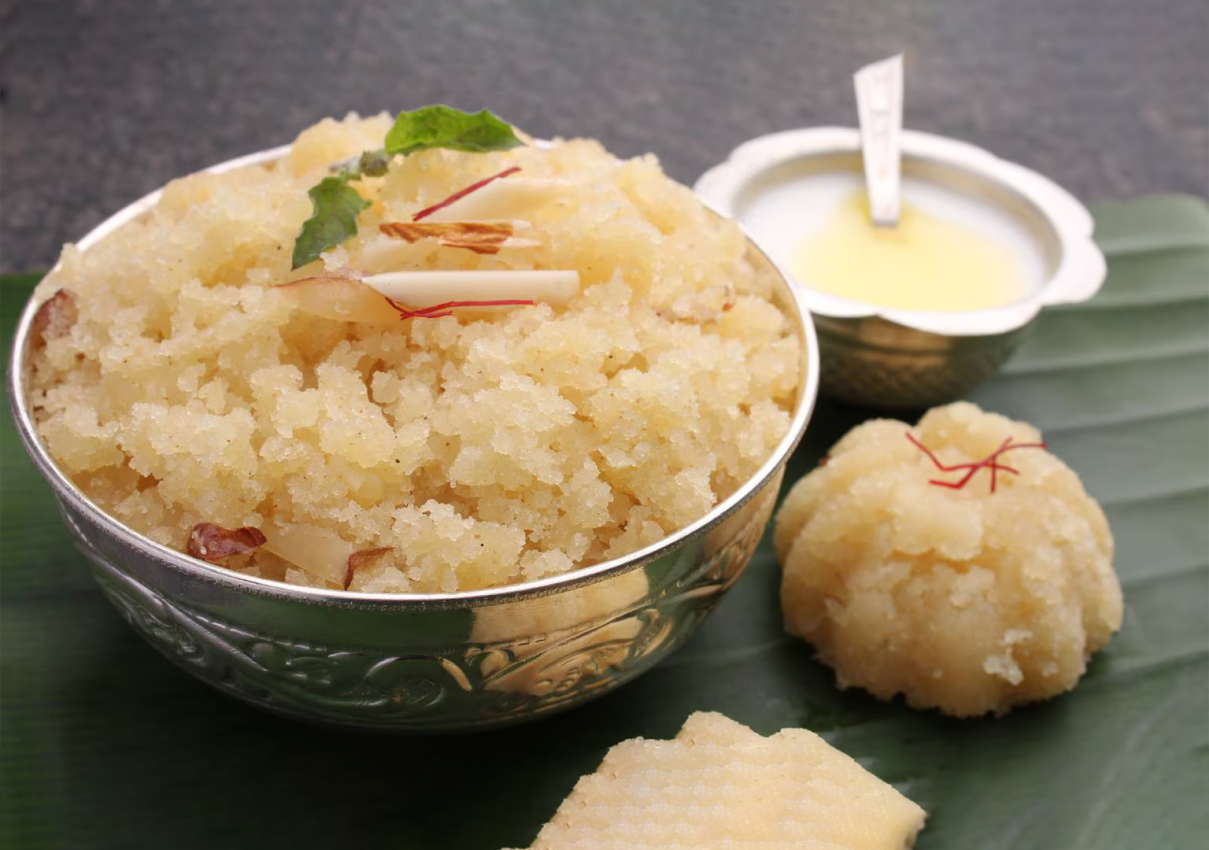
Golden, soft, aur melt-in-mouth — this sooji halwa brings a touch of nostalgia in every bite.
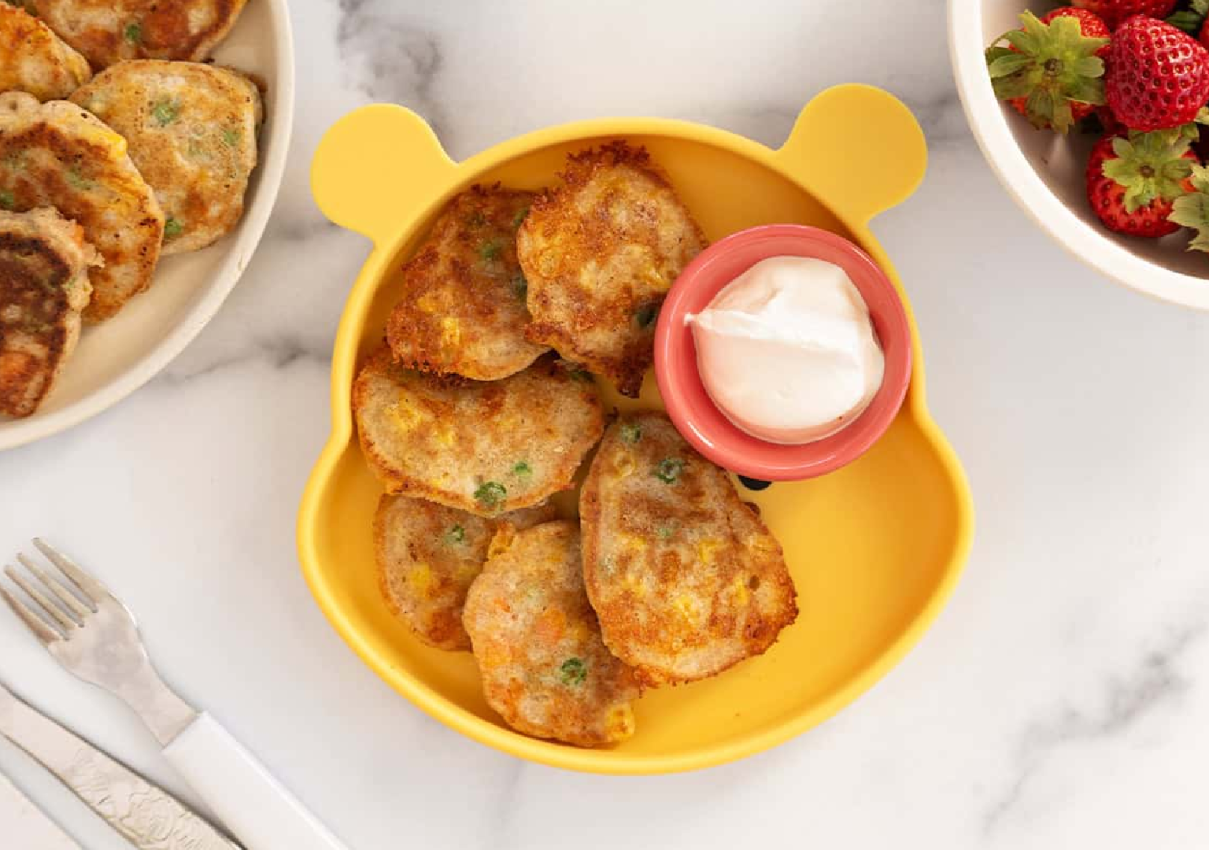
Wheat Flour Veggie Pancake try karo — soft, golden aur har bite me “comfort ka hug” deta hai. Perfect for breakfast, brunch, ya evening snack.
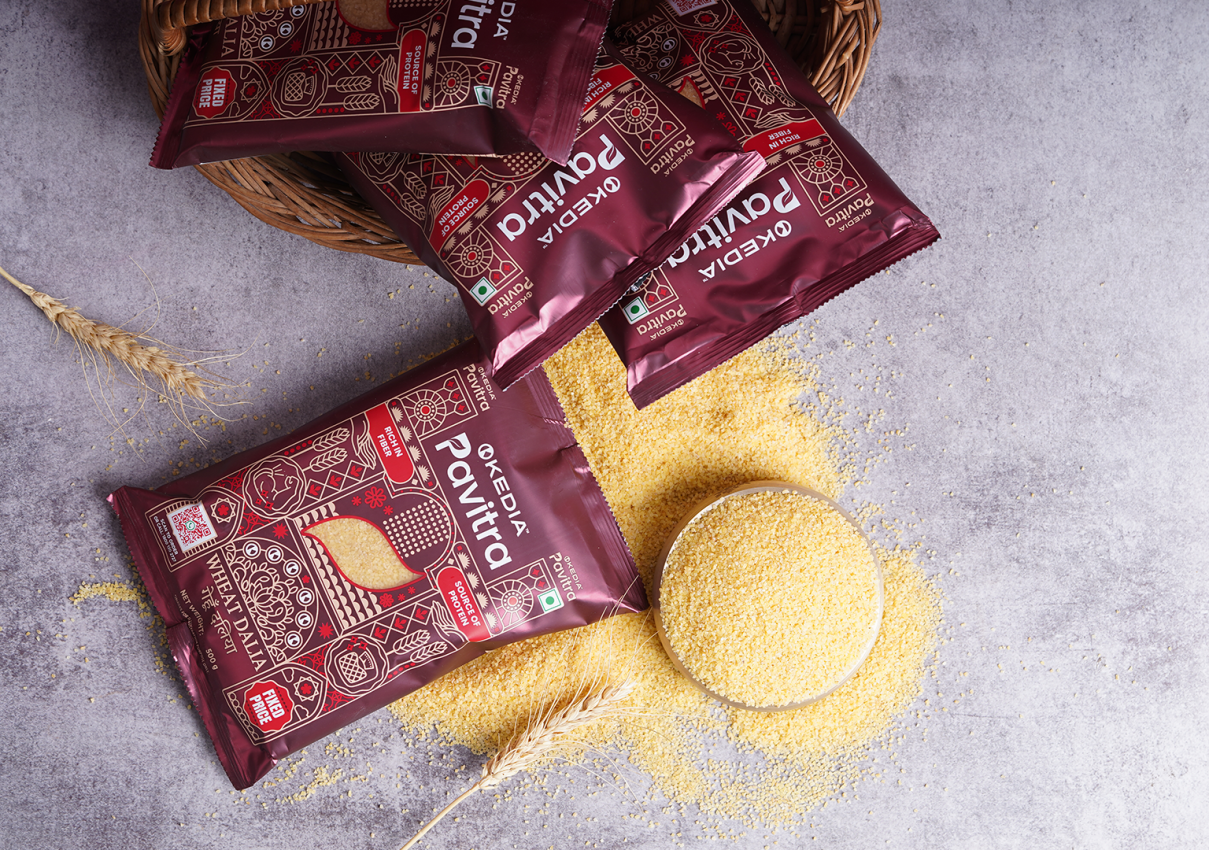
In today’s world, trust is earned — so here are simple, traditional tests you can do to ensure your dalia is as pure and wholesome as it should be:
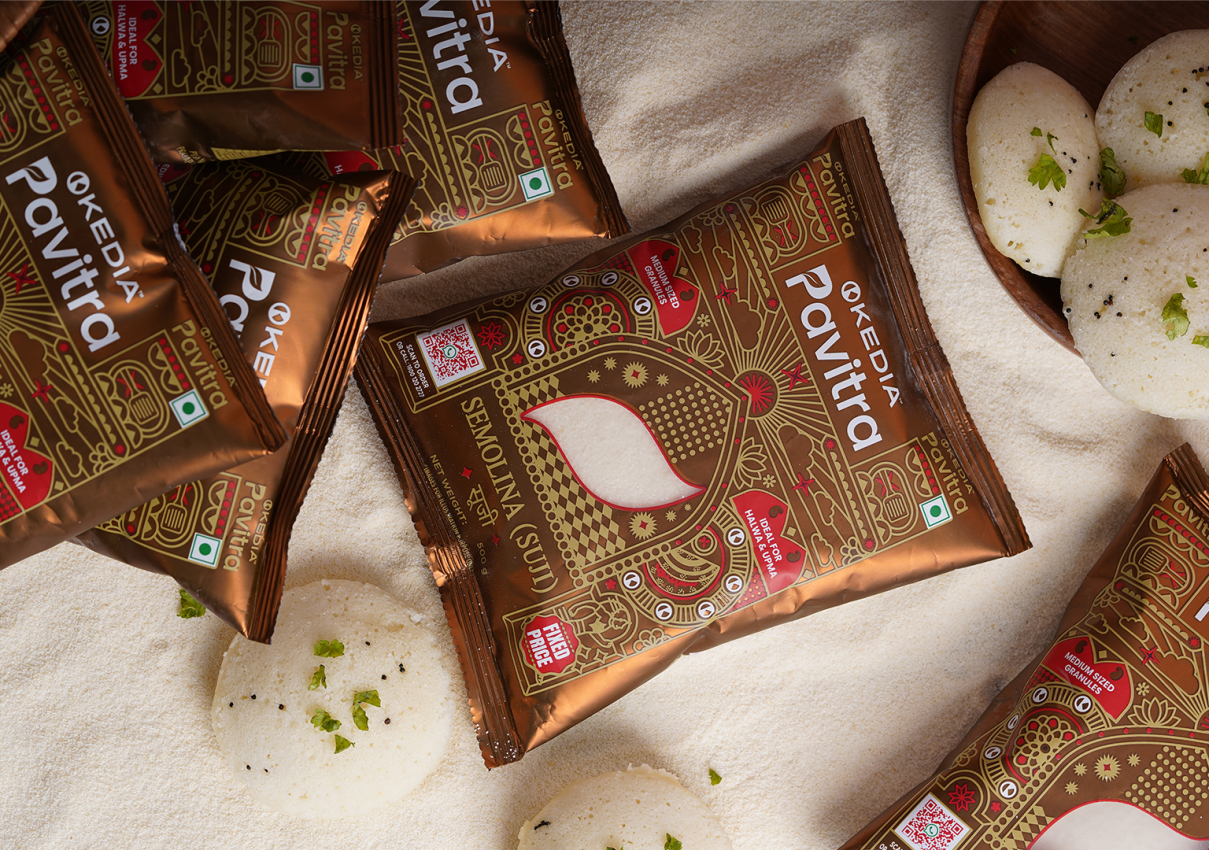
In a world where adulteration is common, Kedia Pavitra invites you to try simple home tests to verify the purity of your Sooji:
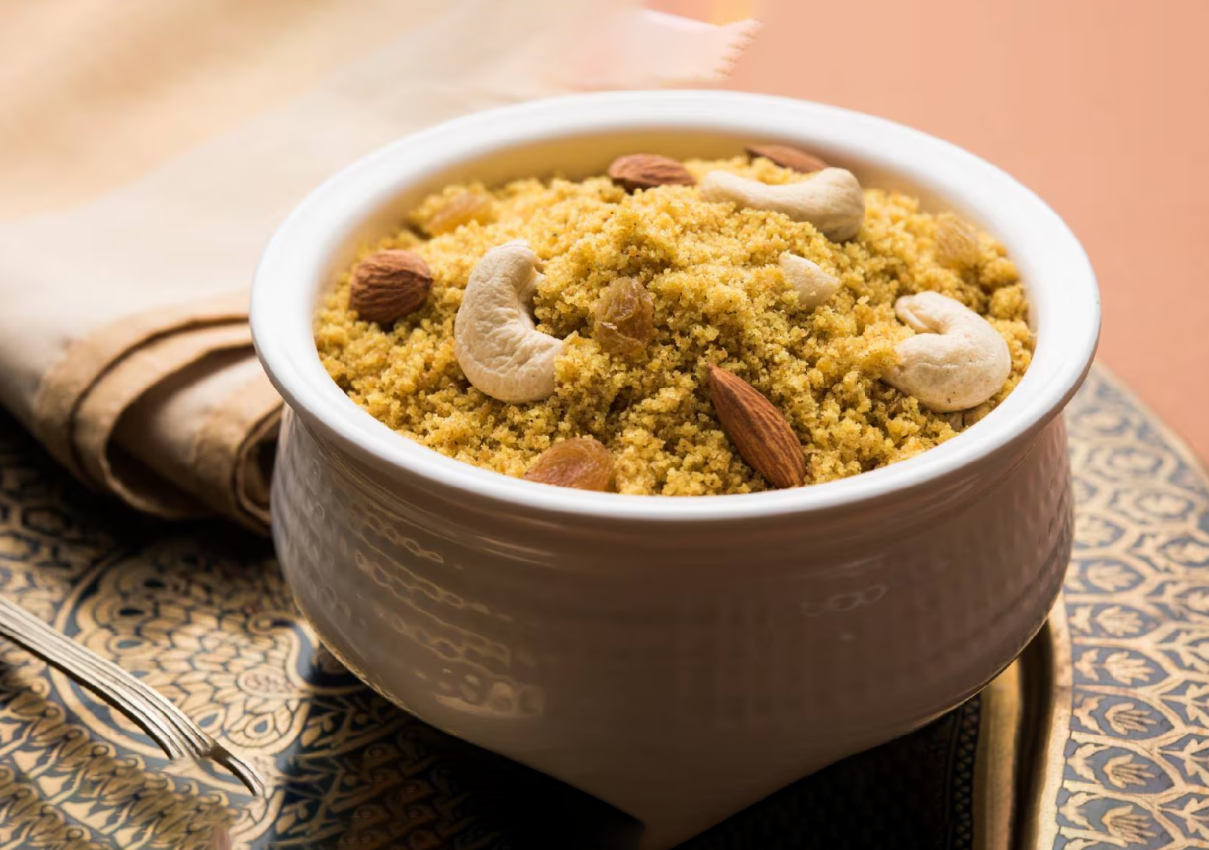
Looking for a sweet that’s simple, wholesome aur full of nostalgia? Toh yeh Churma try karo — crumbly, golden, aur ghee-mein-dipped har bite me desert ka asli swaad. Perfect for festive meals, family gatherings, ya cozy weekend treats.
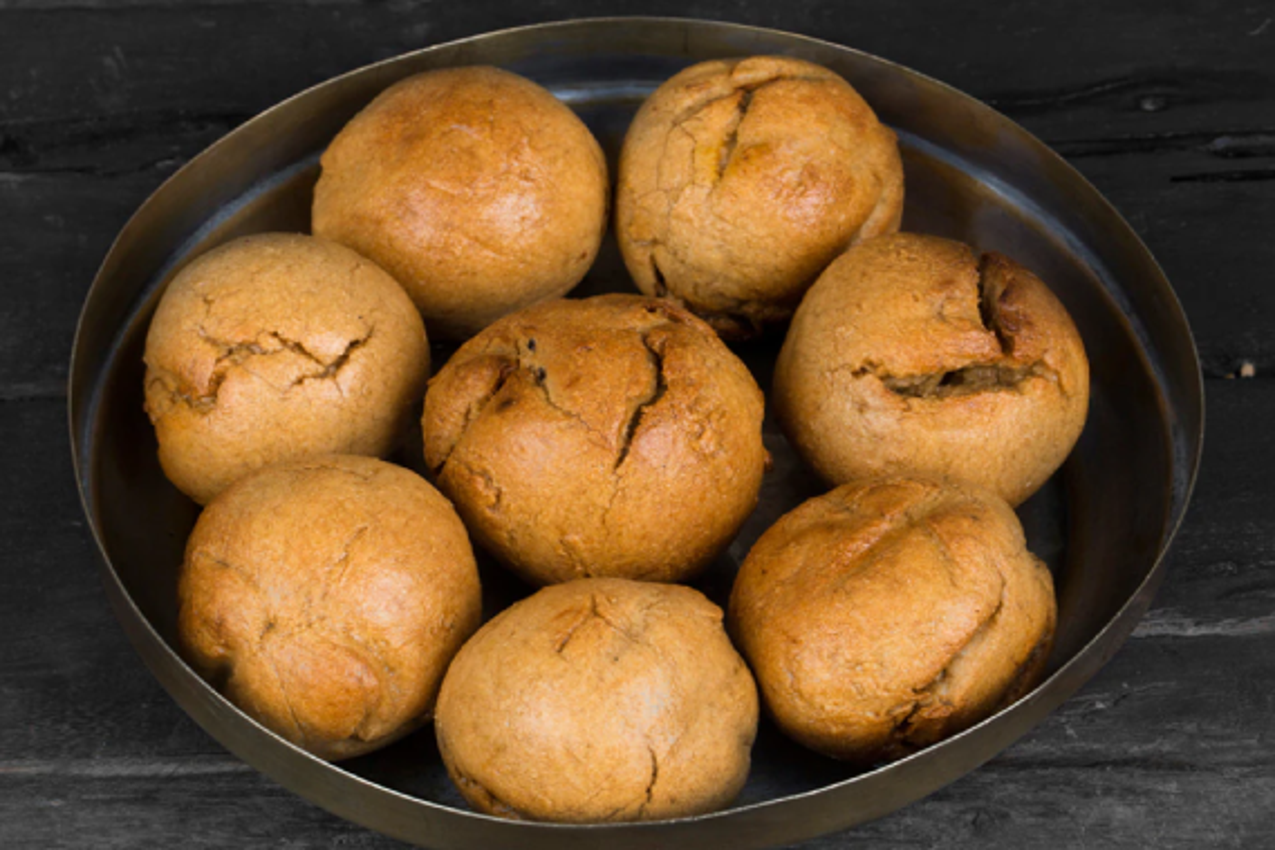
Looking for a wholesome meal jo light ho par full of flavor? Toh yeh Rajasthani Baati try karo — crunchy on the outside, soft aur fragrant inside, aur ekdum “warm hug from the desert” vibe deta hai. Perfect for festive meals, weekend family dinners, ya jab simple aur filling khana ho.
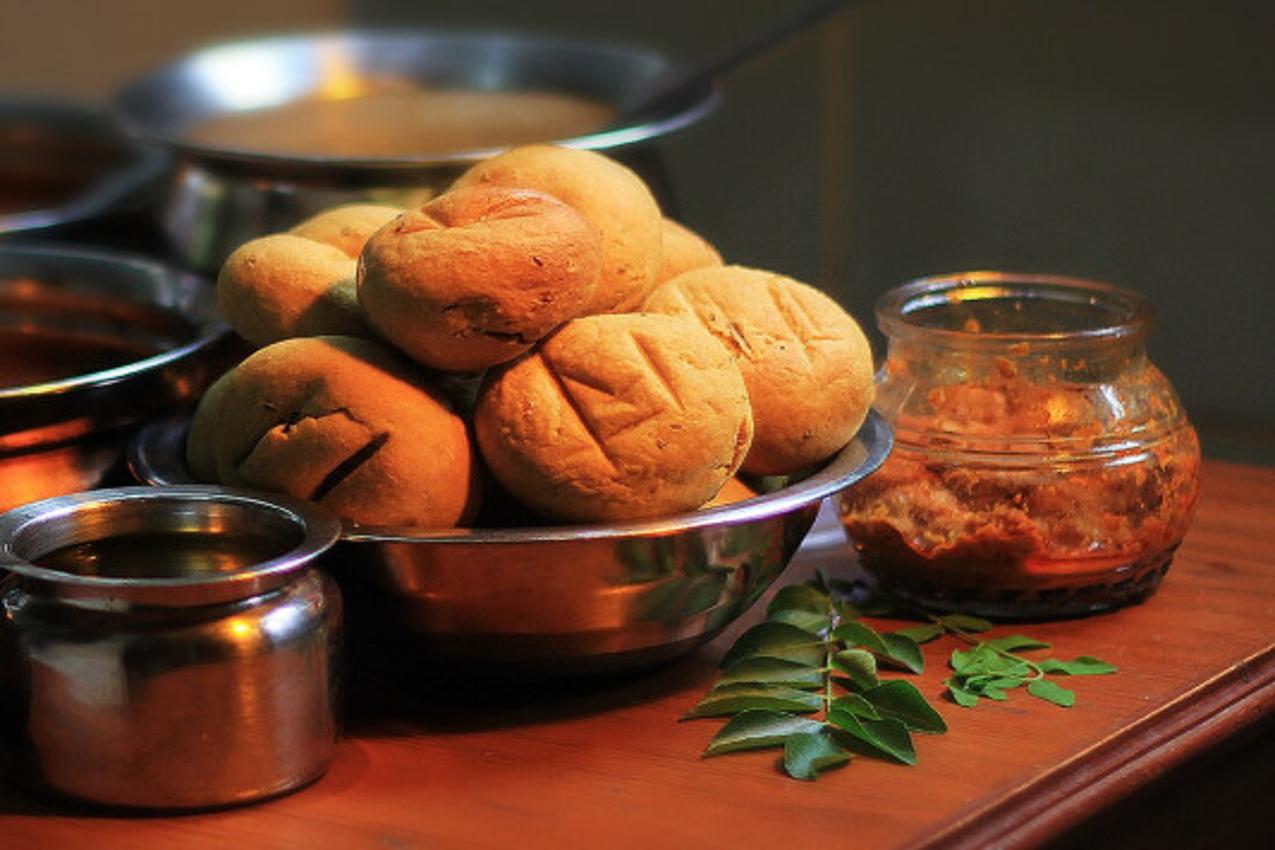
The Rajput warriors lived on the creed of courage and plainness, long, long ago, when the desert winds of Rajasthan had spread the songs of valour and the golden sands stretched as far as the eye could see. They not only fought with swords, but also with hunger, thirst, and the unkind sun.
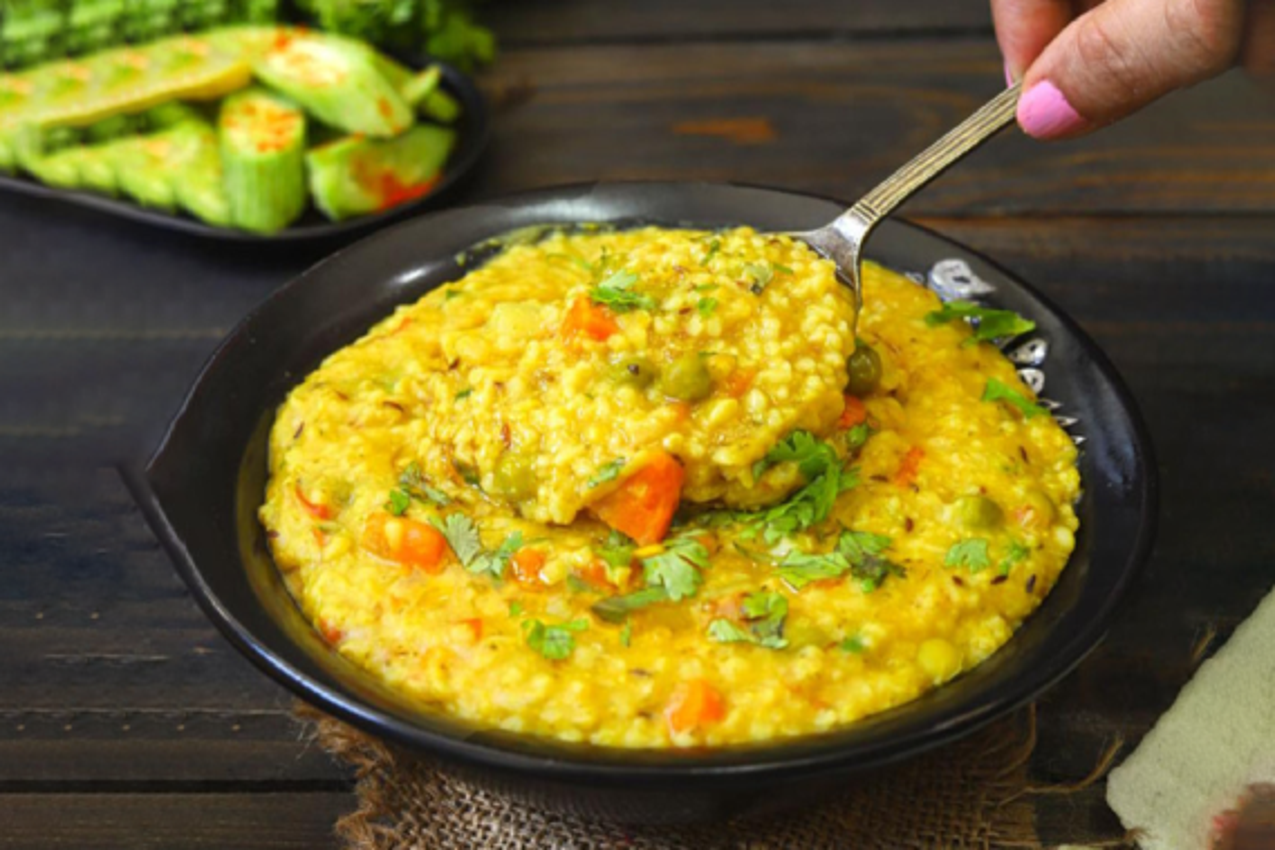
Looking for a one-pot meal jo light on stomach ho par flavorful aur wholesome bhi? Toh yeh Vegetable Daliya Khichdi hai perfect choice! Broken wheat (daliya) aur seasonal veggies ka yeh combo ekdum “hearty hug in a bowl” jaisa hai — busy weekdays, post-festive detox ya cozy family dinner ke liye best.
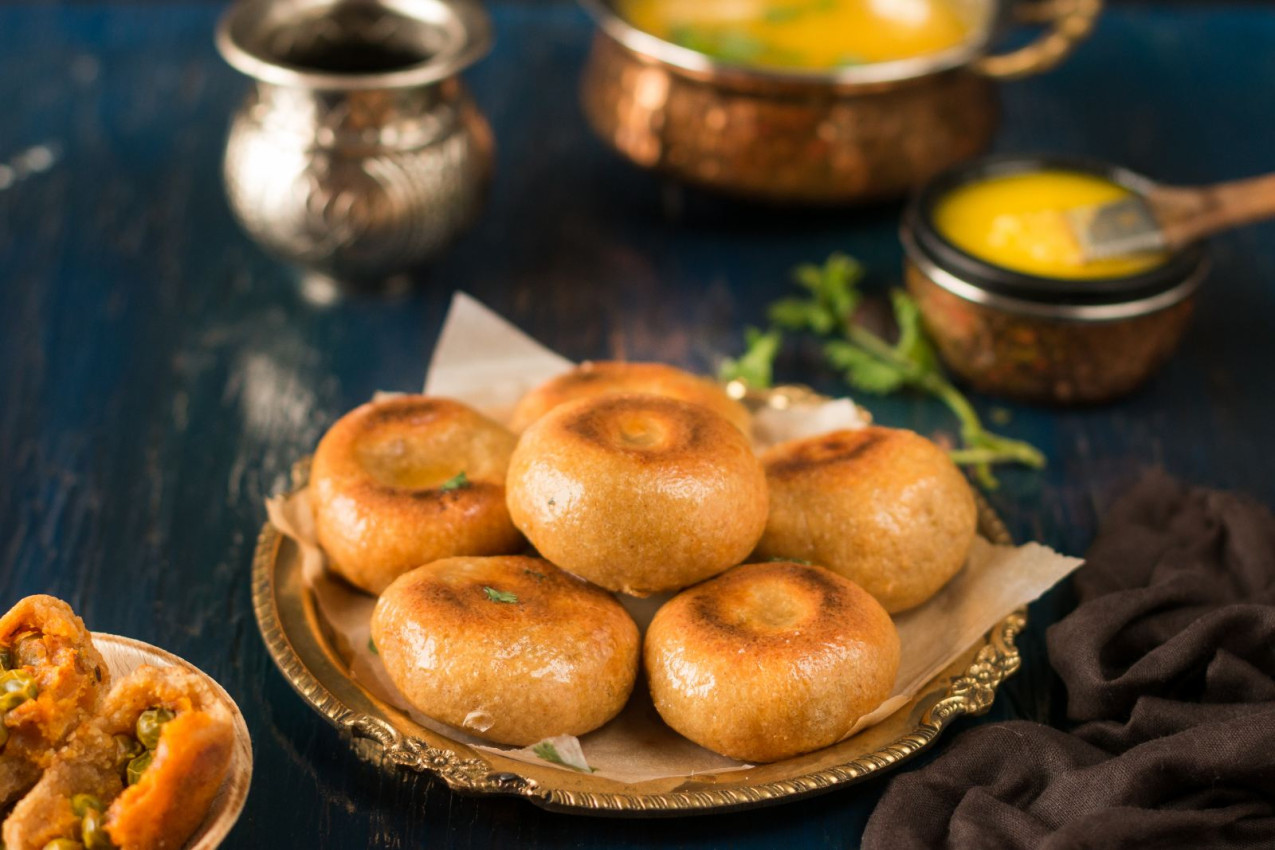
The Rajput warriors lived on the creed of courage and plainness, long, long ago, when the desert winds of Rajasthan had spread the songs of valour and the golden sands stretched as far as the eye could see. They not only fought with swords, but also with hunger, thirst, and the unkind sun.
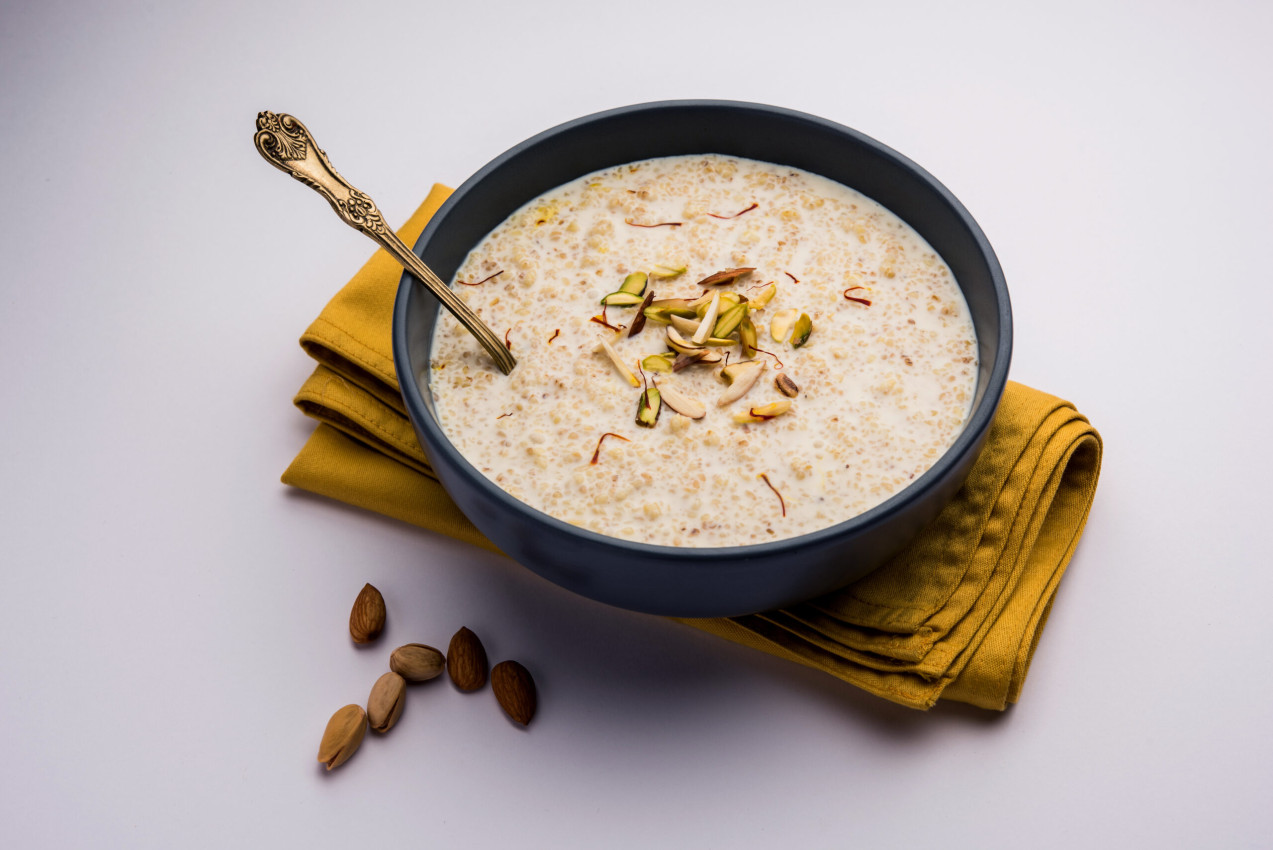
A long time ago, children were told a story on moonlit nights. Looking at the shining ball, a small boy screamed, “Maa, chaand kyun itna door hai? I want to touch it!” His mother smiled and gave him a bowl of hot dalia sweetened with milk and cardamom. “Try this and you shall know the moon.”
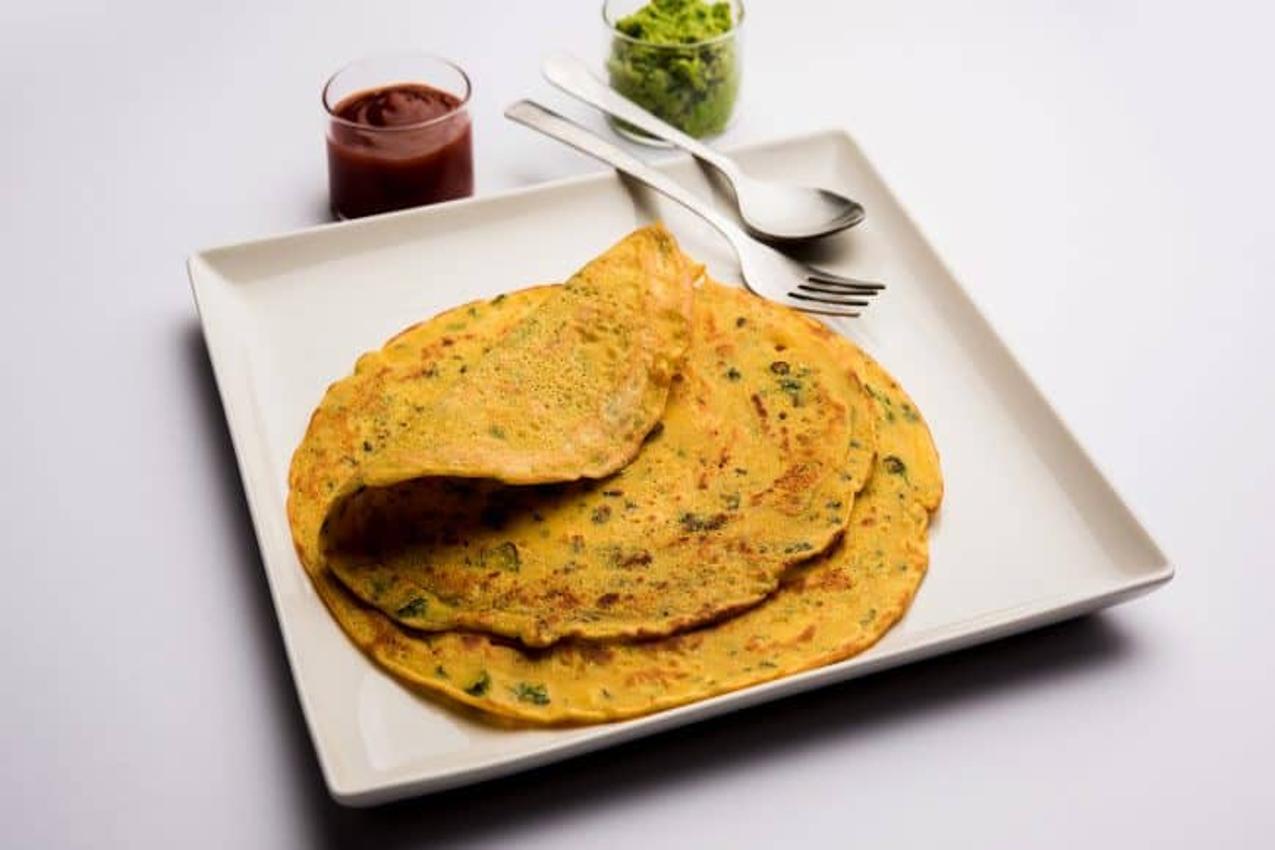
A quick, protein-packed breakfast or evening snack that’s light yet filling. Besan chilla is a traditional Indian favorite, easy to make and versatile with veggies or spices.
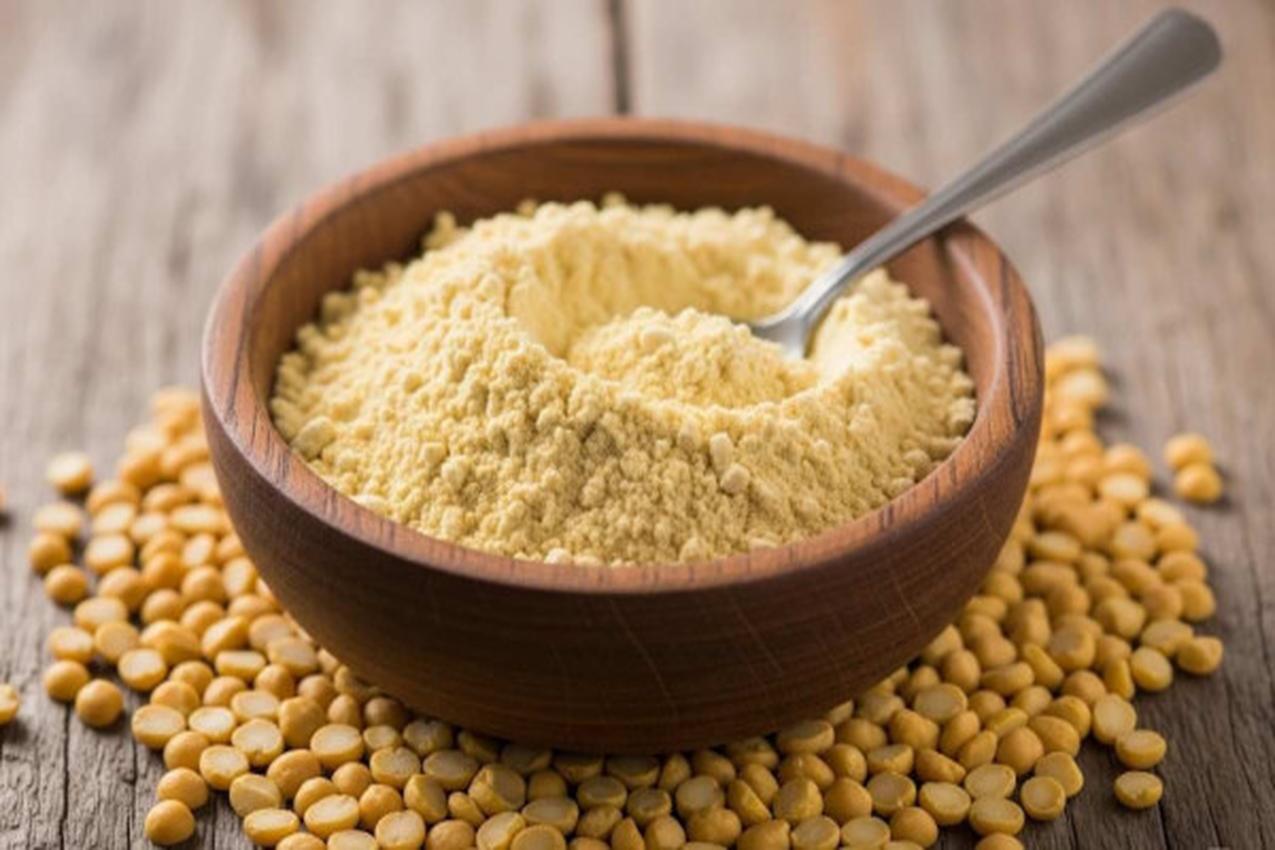
In today’s market, purity is paramount. Here are easy tests you can do at home to ensure your Besan is authentic and of top quality:
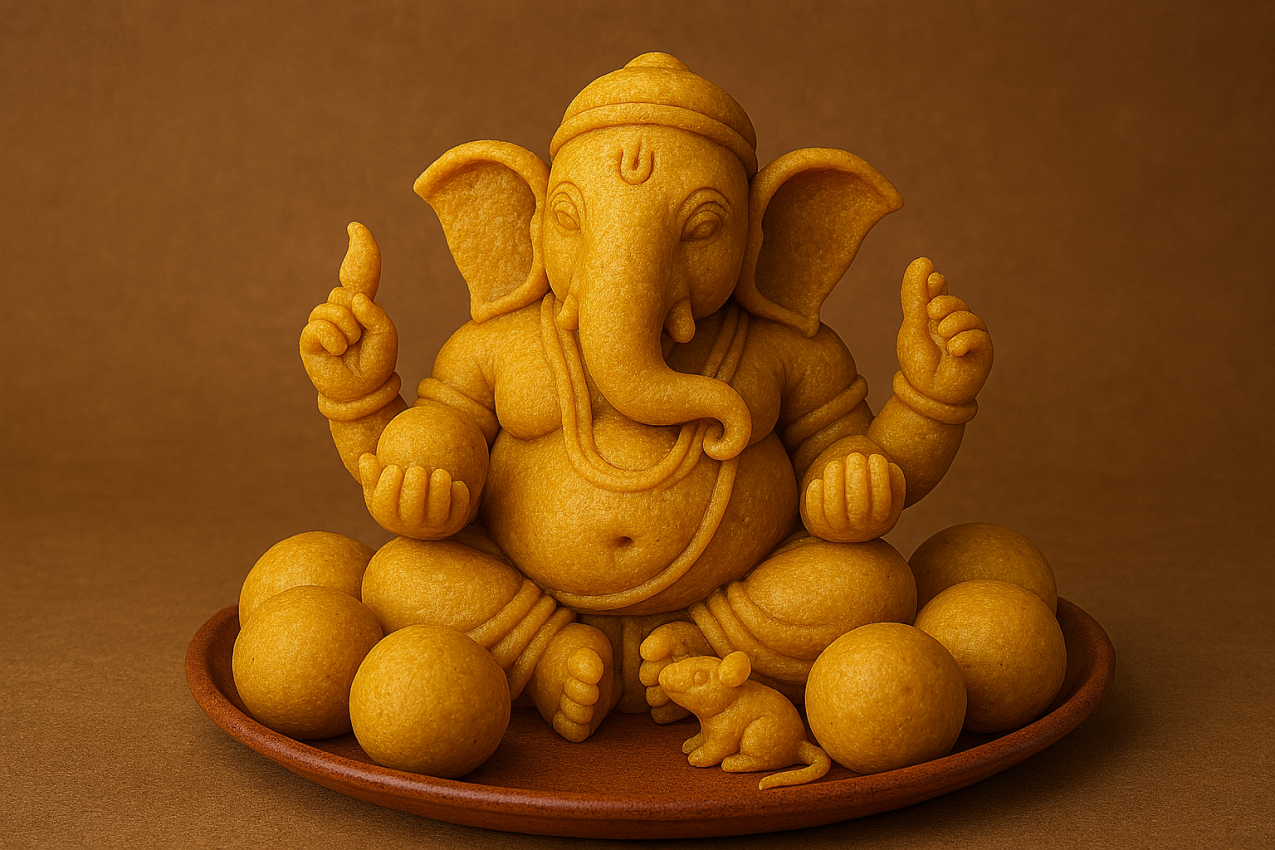
There was a celebration in heaven. Everyone was present in Lord Shiva's court. The music of veenas floated through the air, and the hall was filled with the divine fragrance of incense. Amid all this festivity, a question came to mind of Narada — a question which hushed the music and made every almighty lean forward.
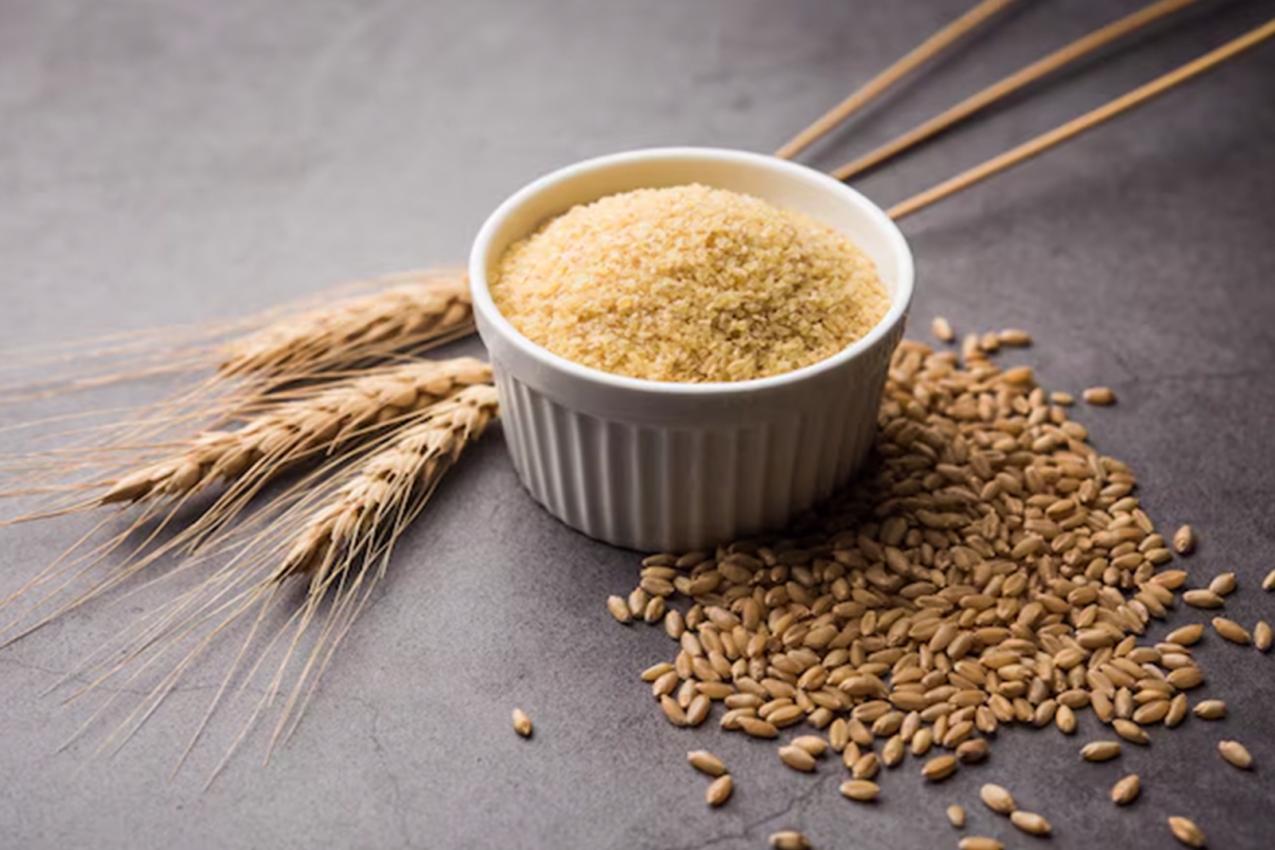
There was a farmer in a small village who was a deeply devout man. Each dawn, he lit a small diya before his clay pot of dalia. His neighbors scoffed him, “Why offer dalia? Offer sweets to the gods!” The farmer only smiled serenely....
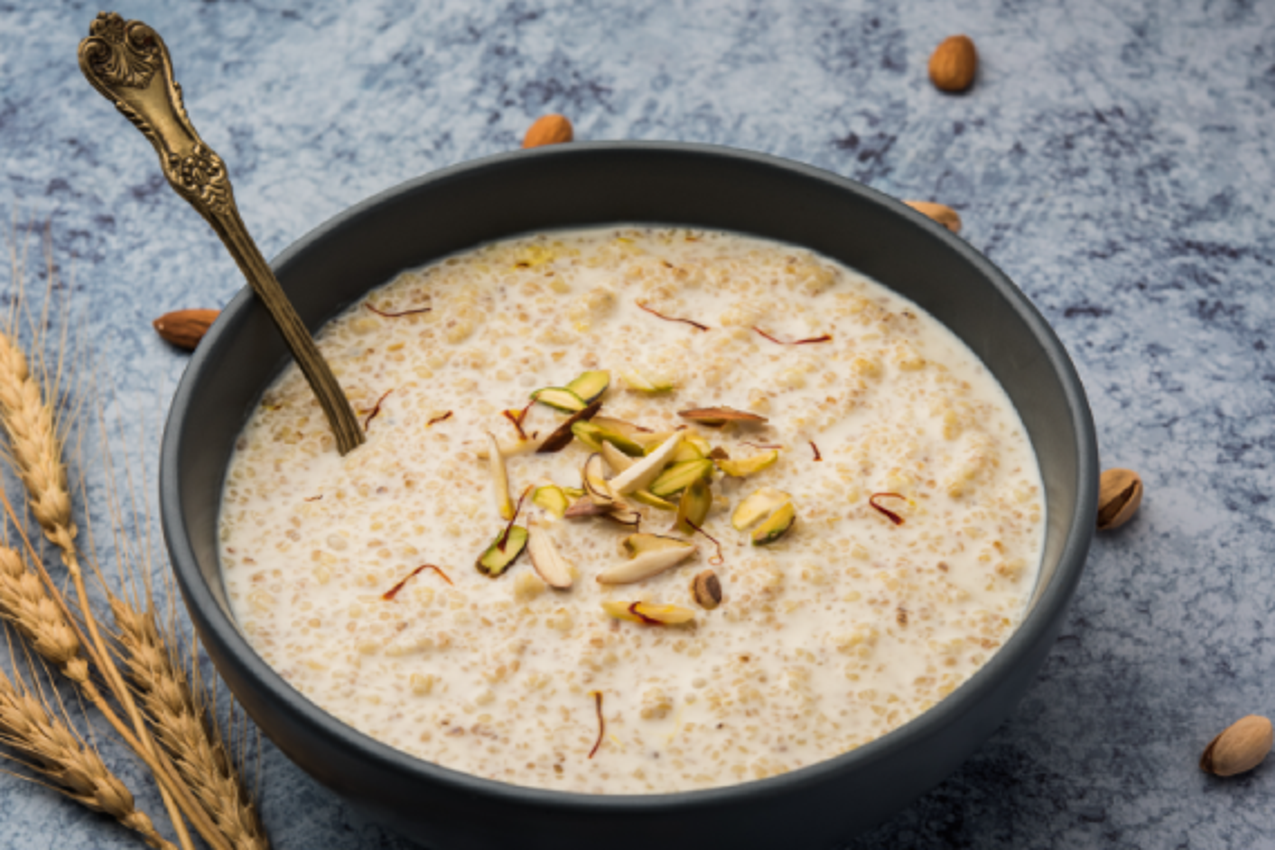
The morning sun streams into the kitchen where a mother is stirring dalia in a big pan. Her teenager, half-asleep, slurs, “Why not cornflakes, Maa? They look cooler.” She chuckles softly, “Beta, thoda cool ban’na hai ya thoda strong rehna hai?”
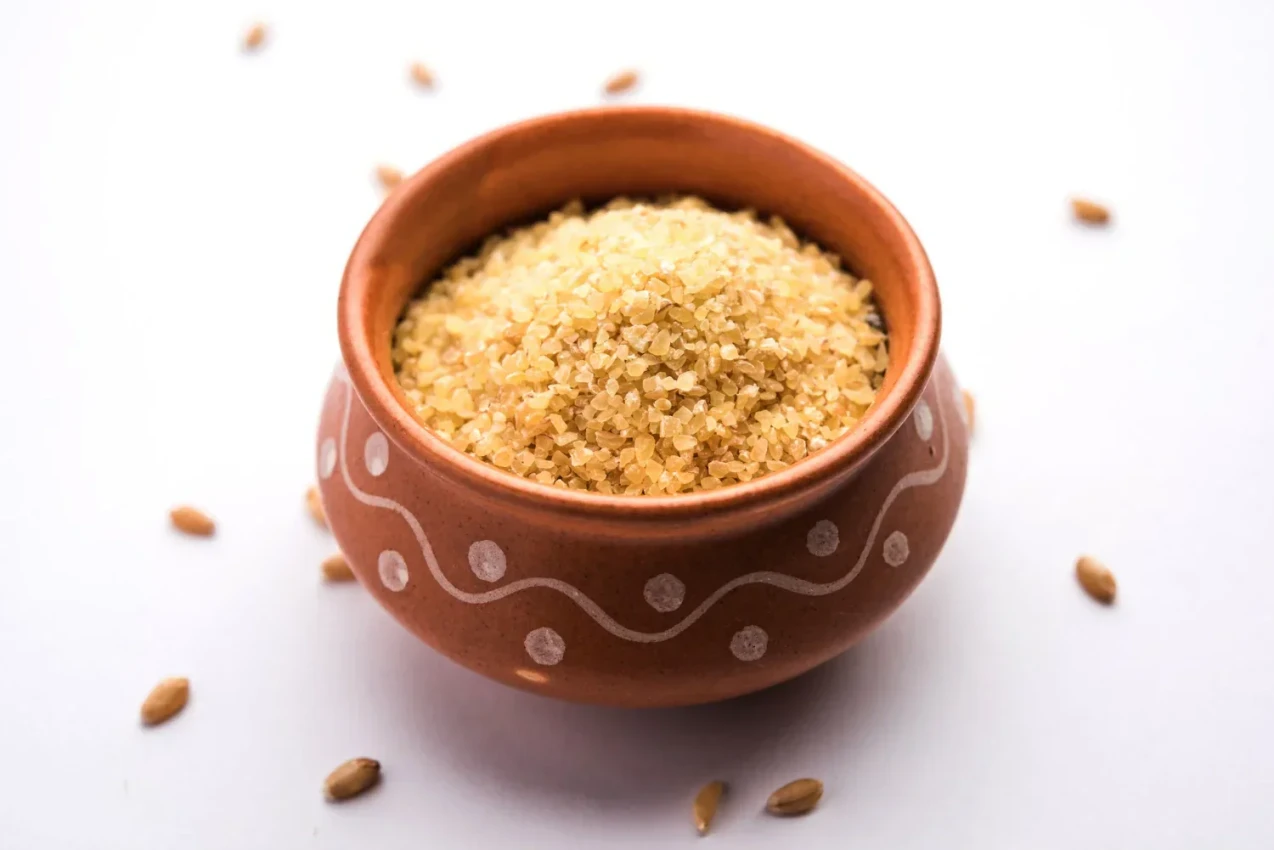
The pot simmers, releasing a nutty aroma as dalia roasts gently. A child leans against the counter, curious eyes watching. “Daadi, hum roz dalia kyun khate hain? Isn’t it too plain?” The grandmother stirs with care....
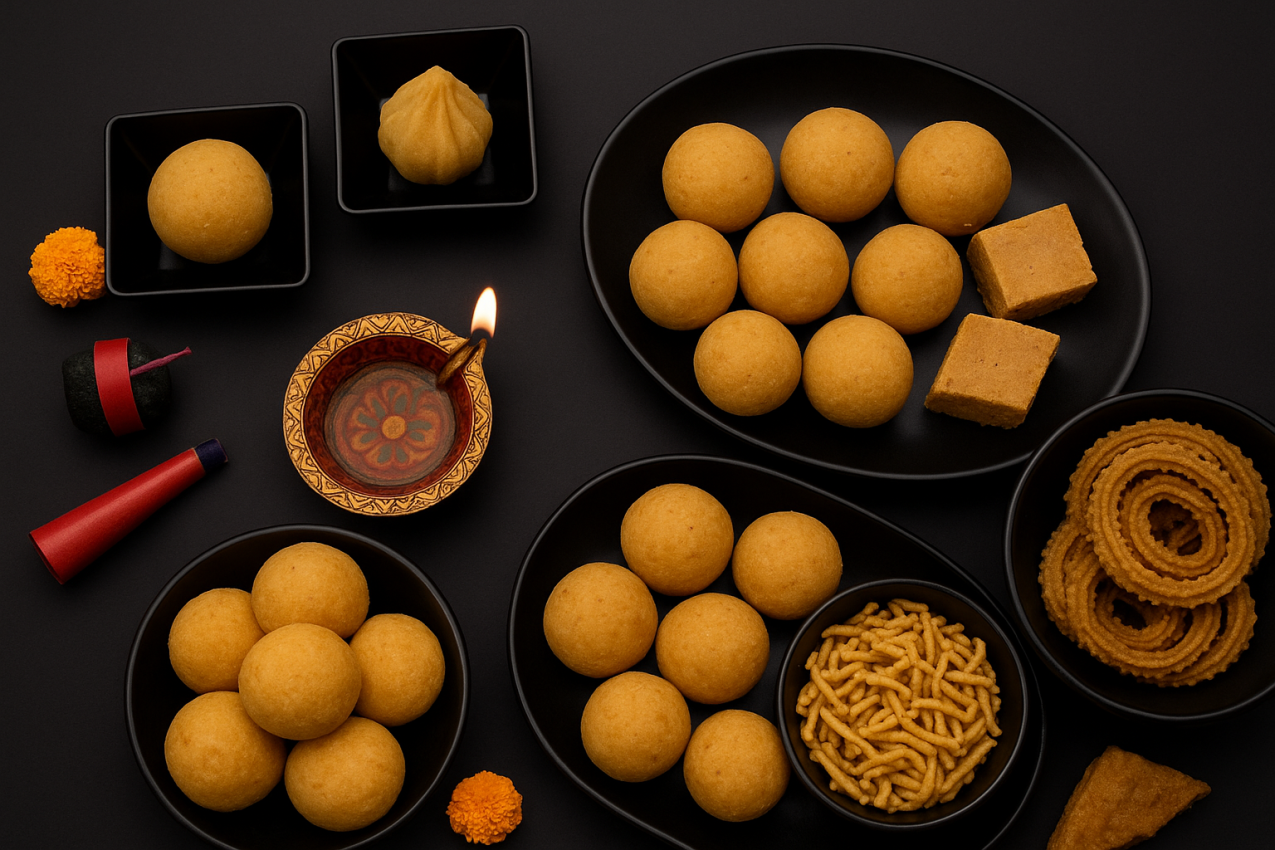
Ever wondered what makes celebrations memorable? A small golden flour, besan, Indian festivals do not begin with fireworks, but in kitchens. There, in brass jars, is besan--the golden stuff that makes merry-makings taste lively. It smells the houses and brings families together, promising them joy in each spoonful.
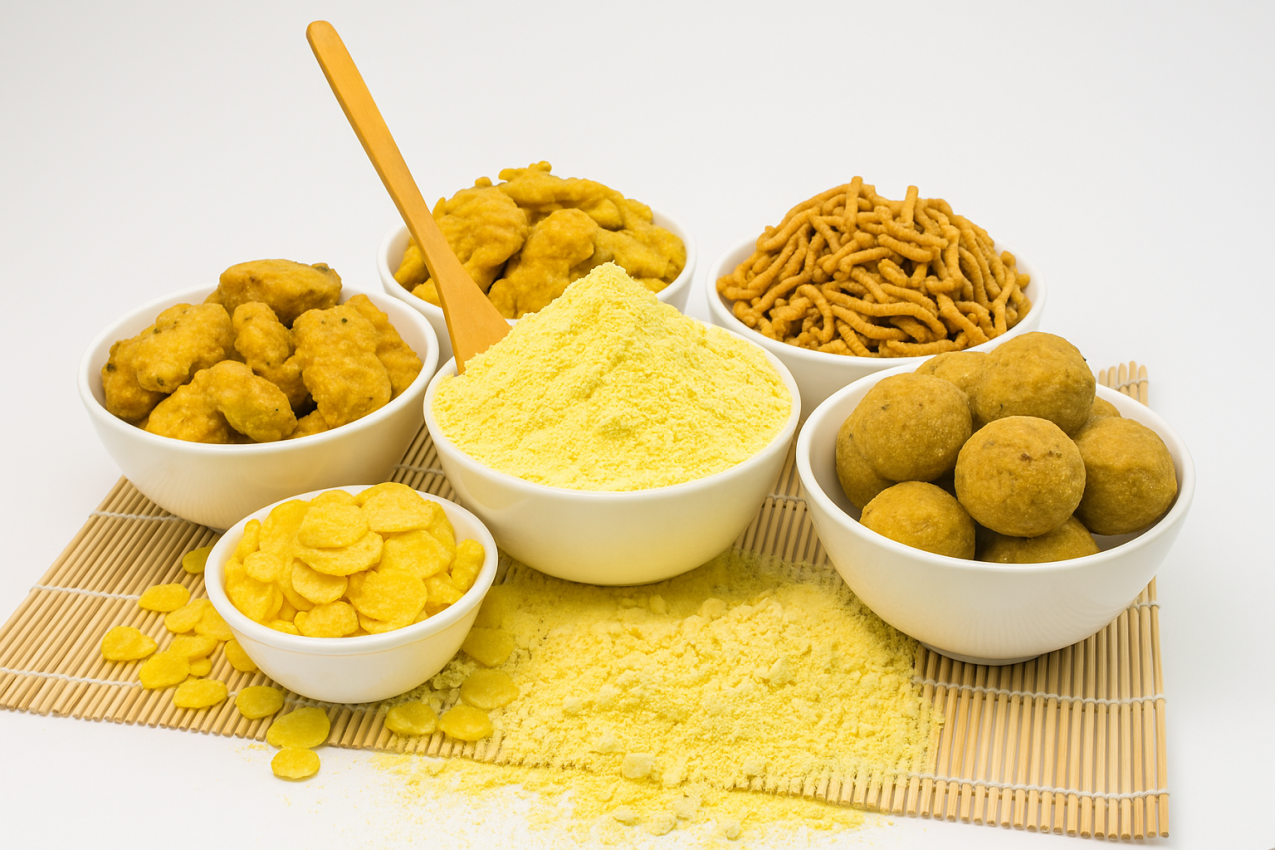
Ever heard of a hero that never wore a crown but fed entire kingdoms? That hero was the chickpea—quiet, golden, and reborn as besan. The chickpea has long been a quite hero, nourishing lives even before the spices entered the Indian kitchen.
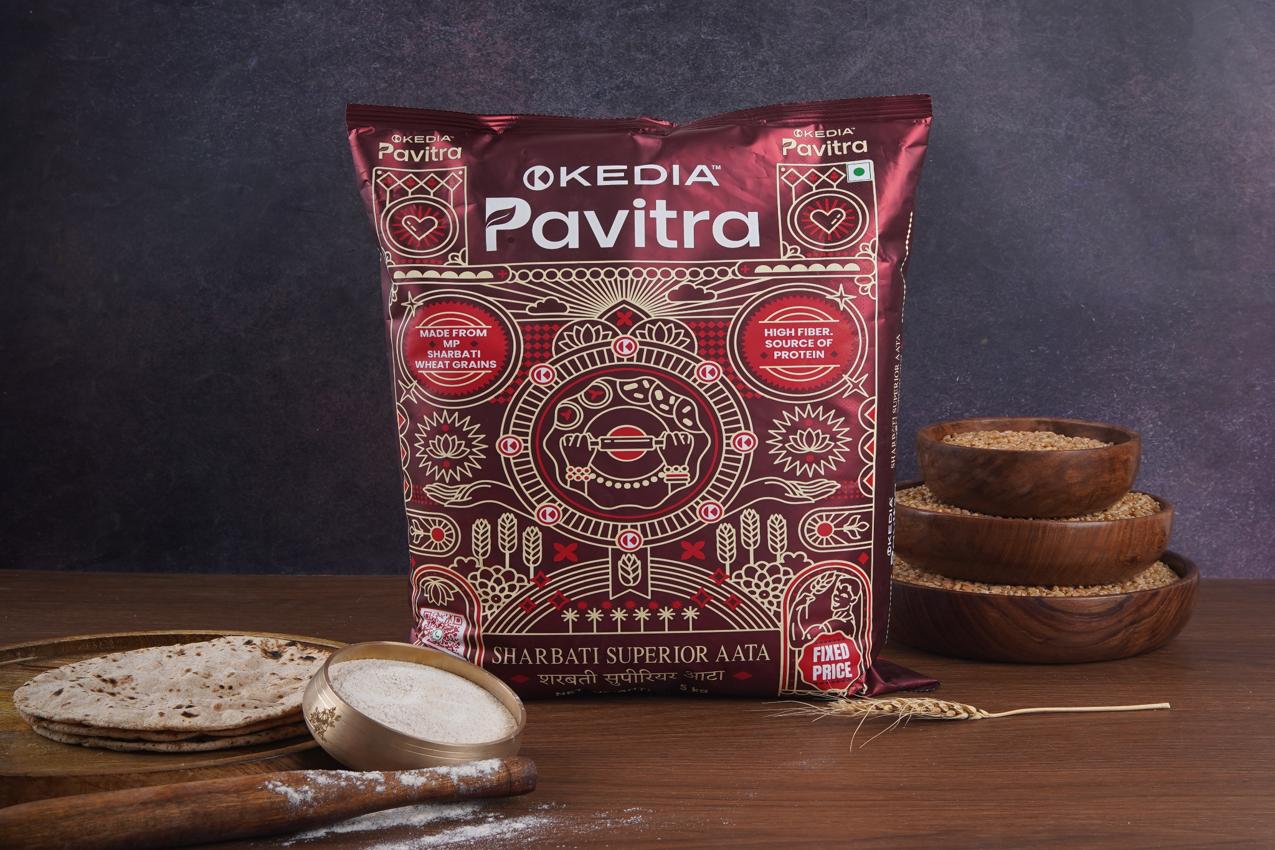
Sharbati Aata is definitely one of the best choices when it comes to making various kinds of soft and traditional Indian dishes. The natural wheat taste and fine texture make it perfect not only for daily meals but also for any special occasions. Rotis, parathas, pooris, and even Indian sweets can be easily made using Sharbati Aata.
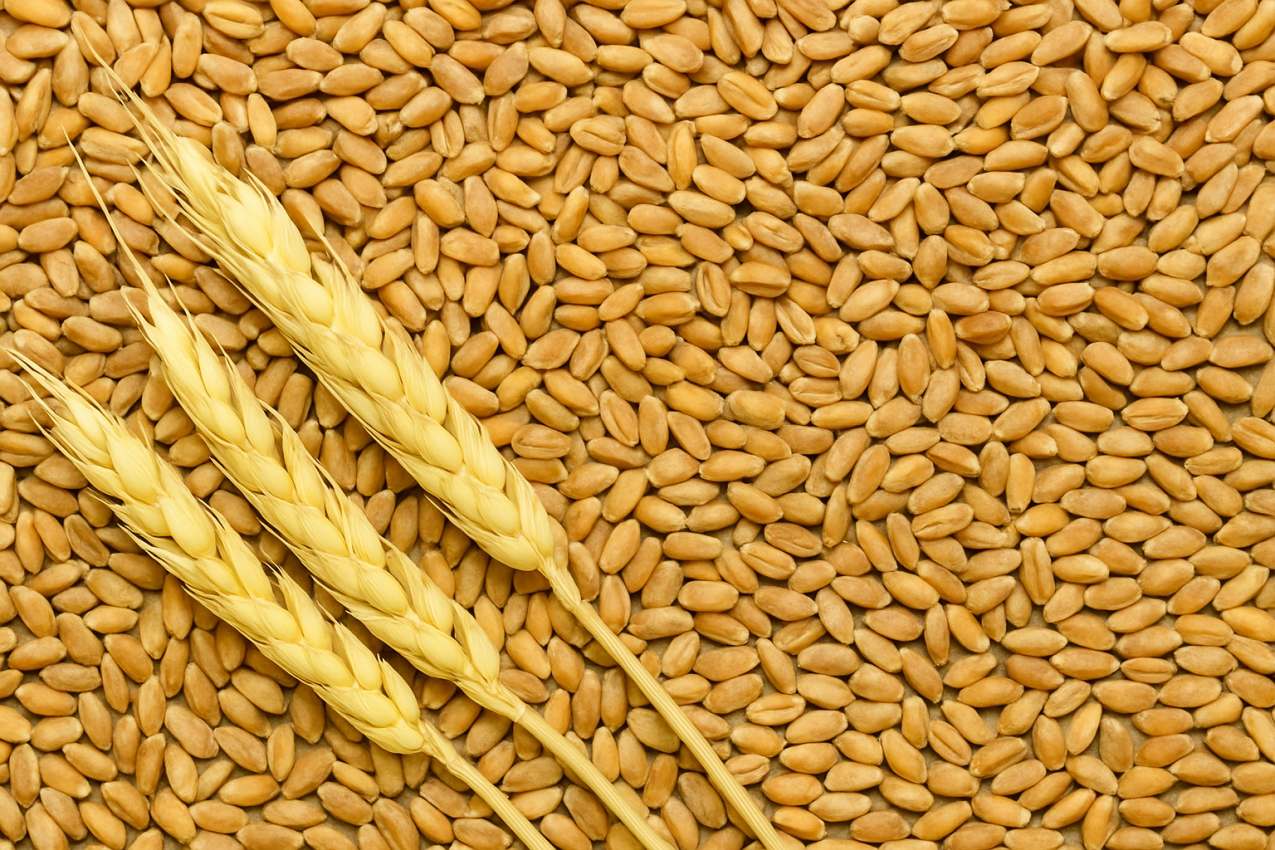
Why is this roti sweeter? That is a question that has been asked in homes over the years. The solution is always the same — Malwa region of Madhya Pradesh, where black cotton soil and golden sunshine combine to produce something really special: Sharbati wheat.
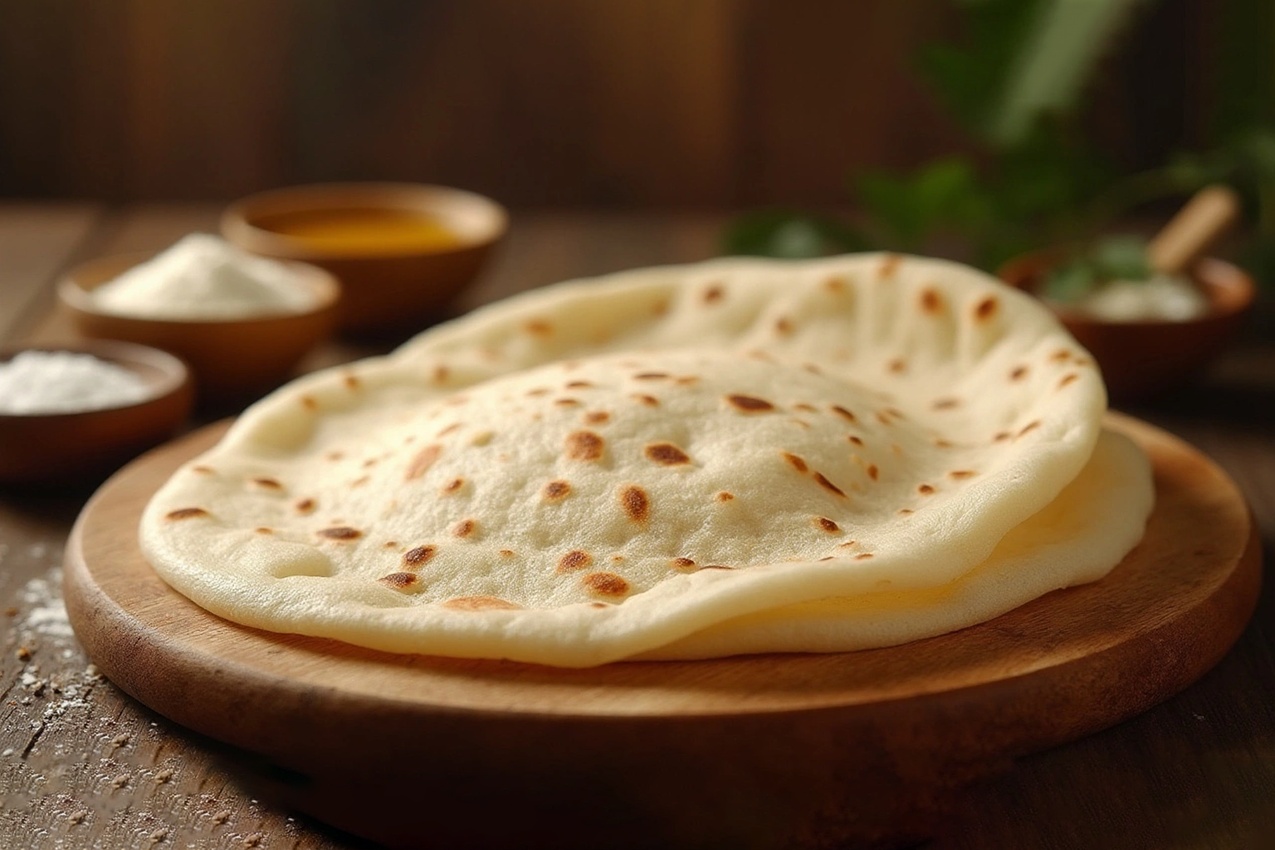
You’ve seen it, right? Some rotis go stiff by evening. They bend, but they crack. Sharbati rotis?...
 App Store
 Play Store