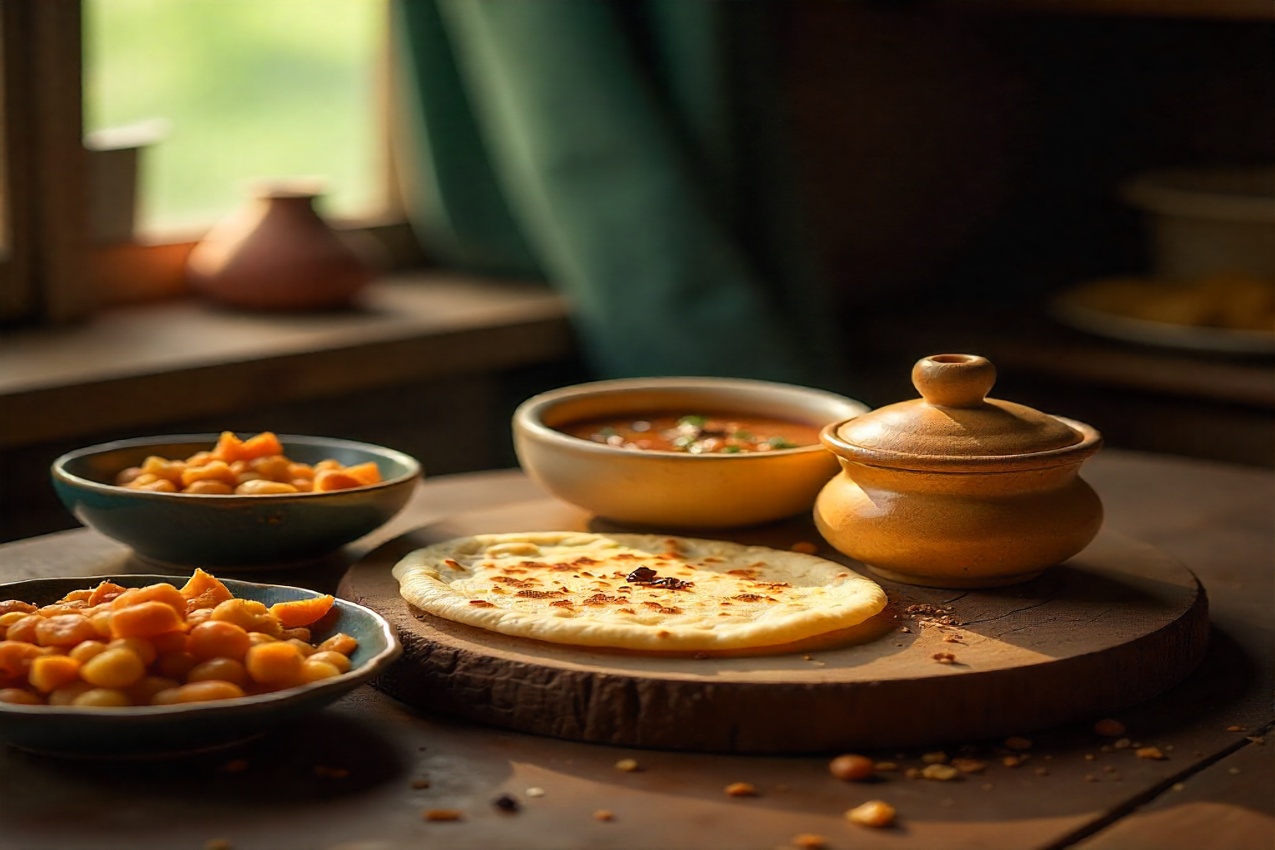
Close to Ujjain, people still talk of a story passed down like a family secret. One evening, a tired noble, some prince of Paramara dynasty—stopped at a poor farmer’s hut. Hungry and worn out, he asked for food. The farmer had no feast to serve, so he quietly patted out a roti from the little flour he had that day.
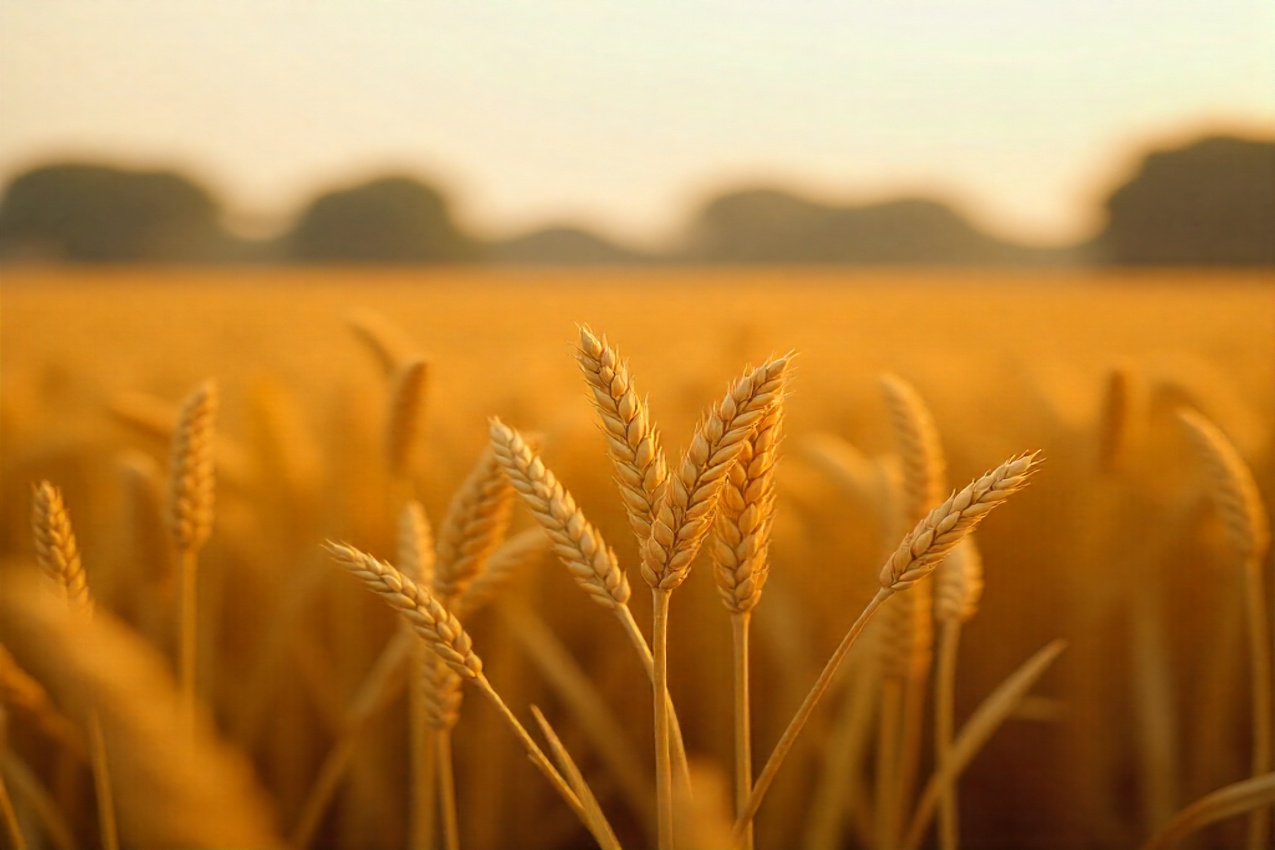
Malwa ki mitti ka apna rang hai… apni khushboo. Ask anyone there about their gehun, and you’ll notice the smile before the words. “Hamare yahan ka gehun alag hai,” they’ll tell you with pride. And behind that pride, there’s an old kahani people still whisper.
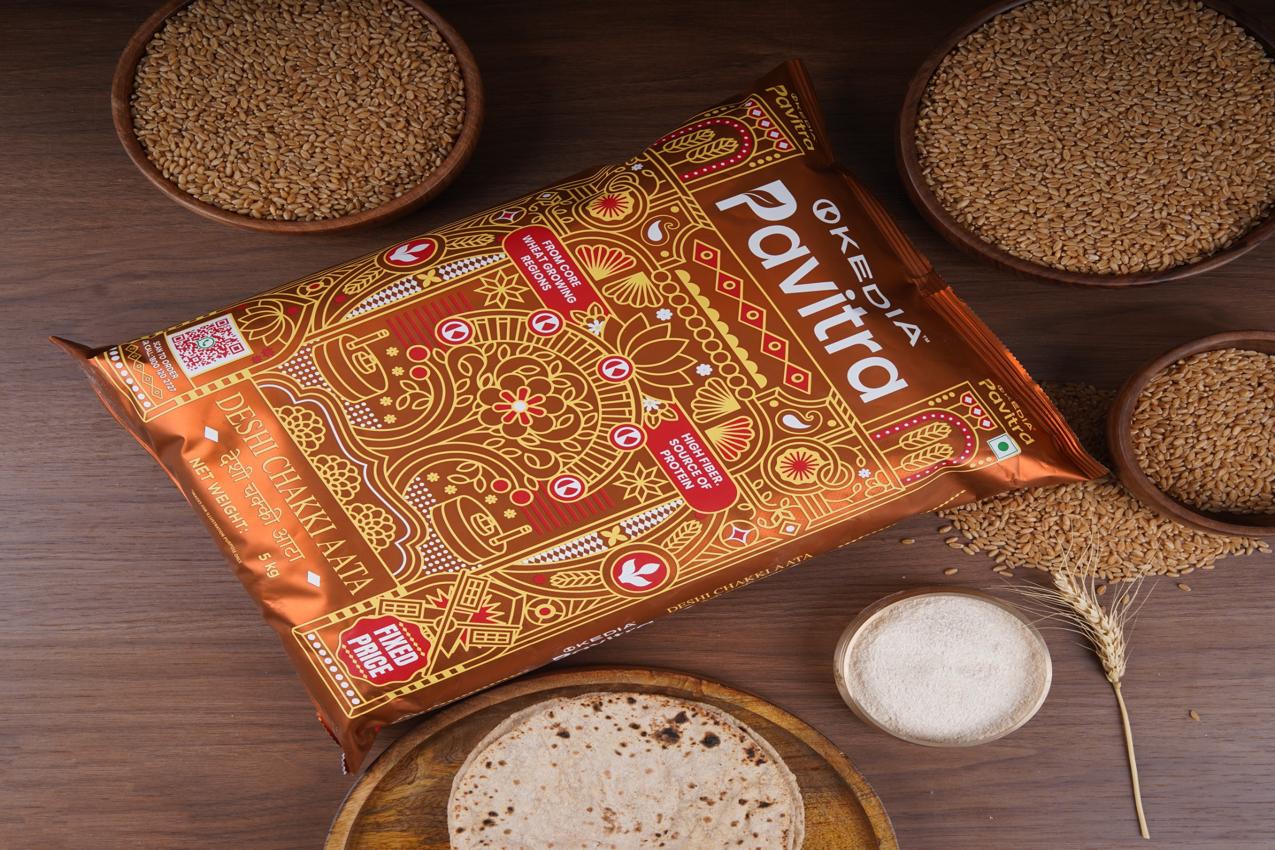
Deshi Chakki Aata is a versatile kitchen staple that can be used to prepare a variety of delicious traditional recipes. From soft everyday rotis and crispy parathas to wholesome snacks and classic Indian sweets, its rich wheat flavour makes it suitable for both everyday meals and special occasions. Here are some simple and comforting recipes you can prepare using Deshi Chakki Aata.

Ever wondered why a farmer in the old days could survive the whole day with just a few rotis and some onions? It’s because chakki aata gives energy slowly, not in a sudden burst. Nutritionists call it “low glycemic index".
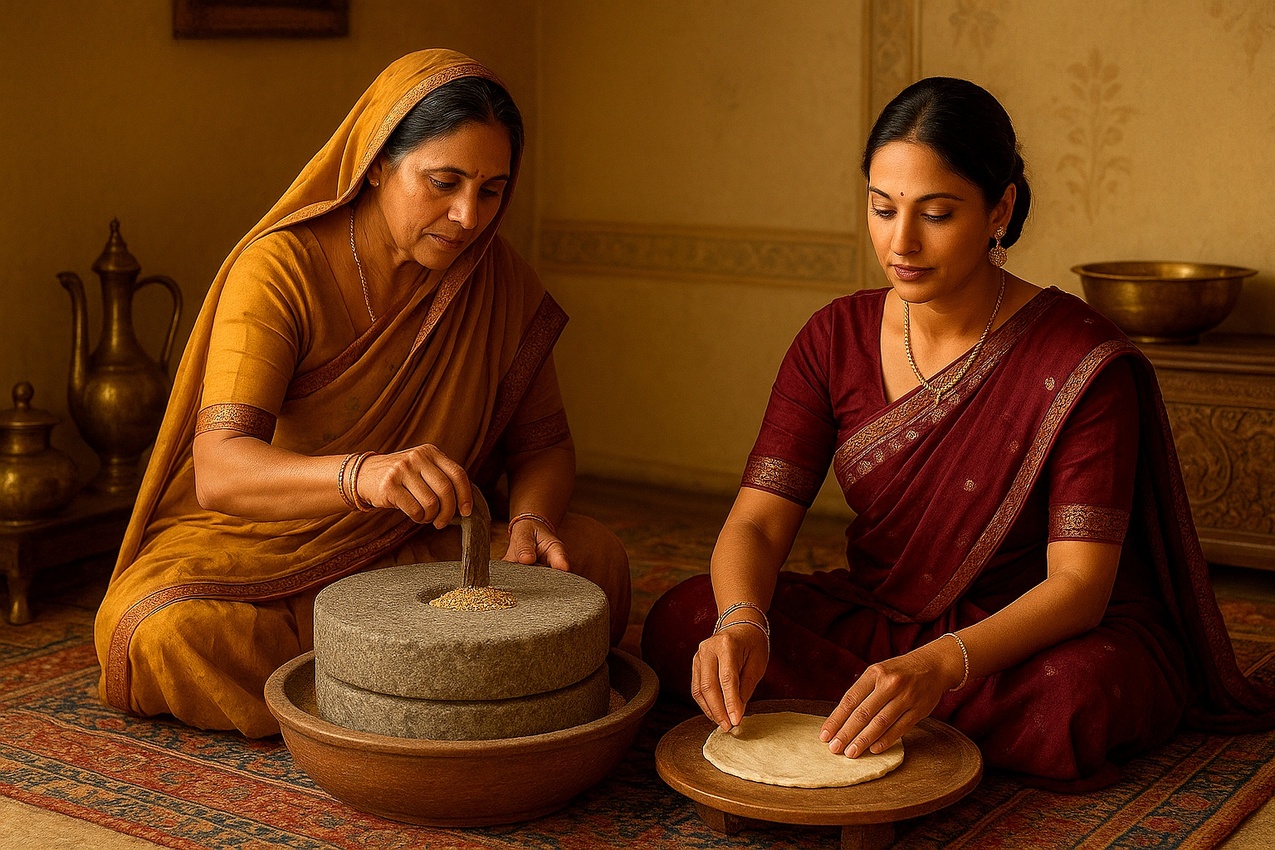
You know how everything today is “jaldi-jaldi”—fast food, fast internet, fast life? Well, flour also suffers when it’s made too fast. Roller mills grind wheat at such high speed that the grain gets hot… and when that happens, nutrients quietly disappear.
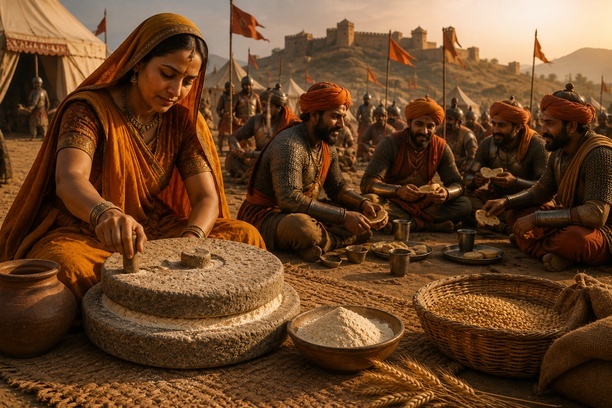
They still tell this in Rajasthan. During the reign of Maharana Pratap, a famine struck Mewar. In the royal rasoi, they served rotis made from shiny white flour. Dekhne mein sundar, but khaane ke baad the soldiers felt weak and heavy....
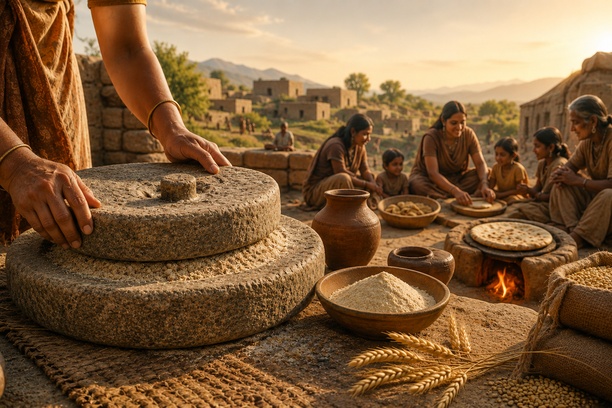
Sunne mein aata hai, in the early villages of the Indus plains, people had plenty of wheat but no real way to eat it. The grains were too hard, roasted they stayed tough, and pet kabhi bharta hi nahin.”
 App Store
 Play Store