
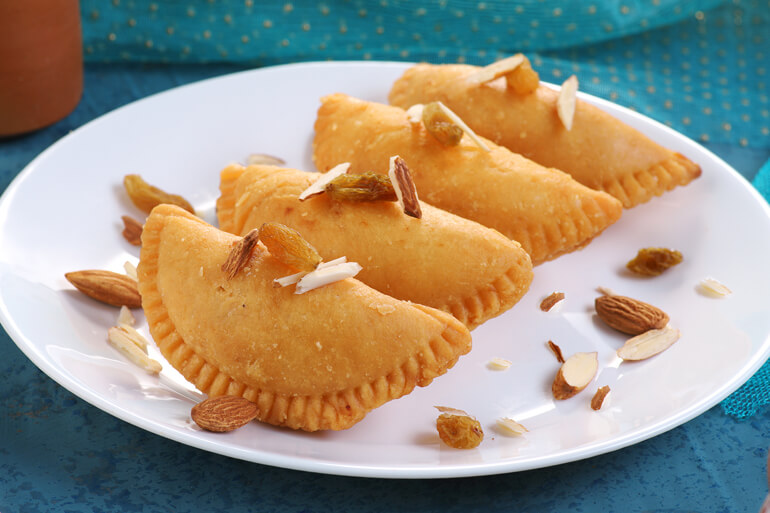
Think gujiyas are only meant for sweets? This savory version flips the tradition by filling golden atta pockets with spiced potatoes. Crisp on the outside and comforting inside, these little parcels bring the same festive charm but, in a flavor,-packed, savory avatar—perfect for snacks or special occasions.
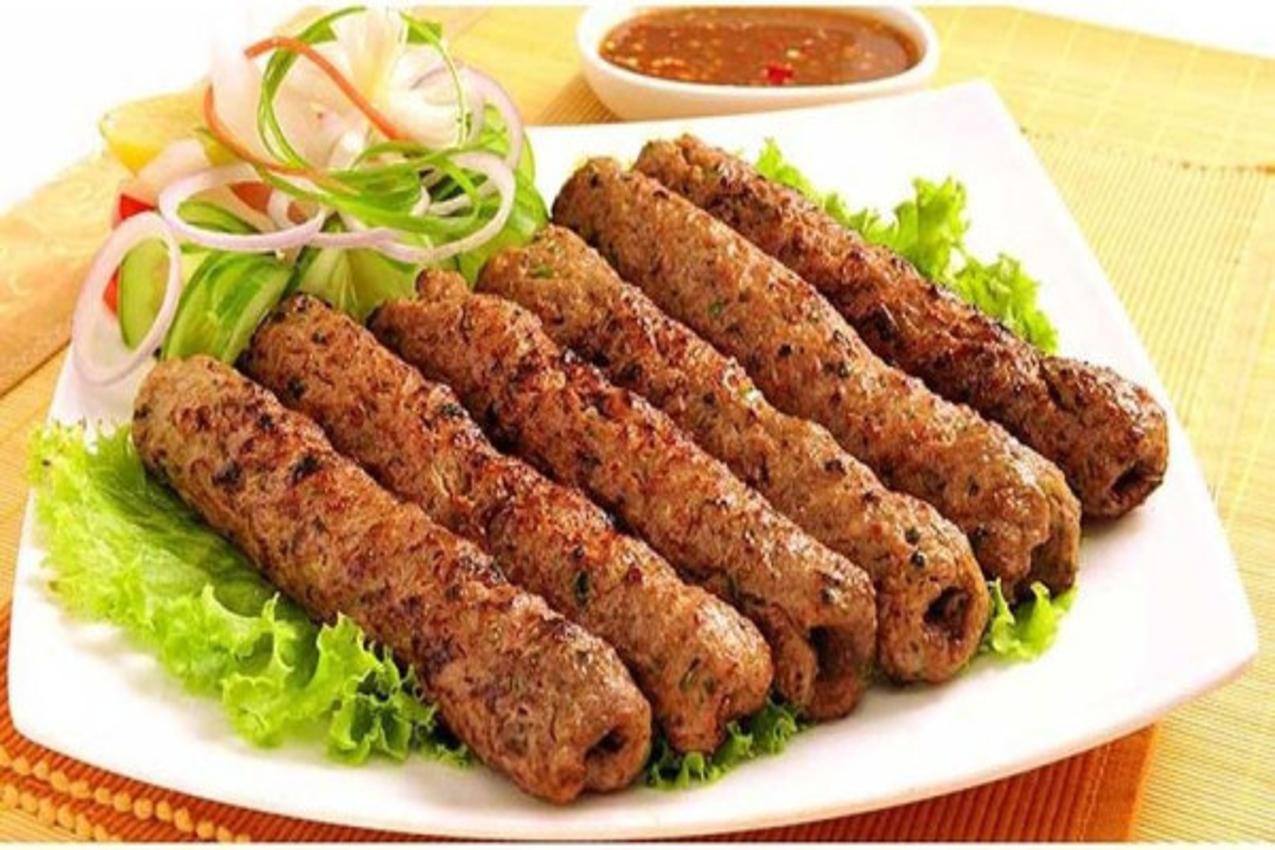
These vegetarian seekh kebabs recreate the charm of street-style grills with a wholesome twist. Besan combines with paneer, spices, and herbs to create skewers that are smoky, hearty, and satisfying. Whether pan-fried or grilled, they pack bold flavor and texture, perfect for appetizers or protein-rich main dishes.
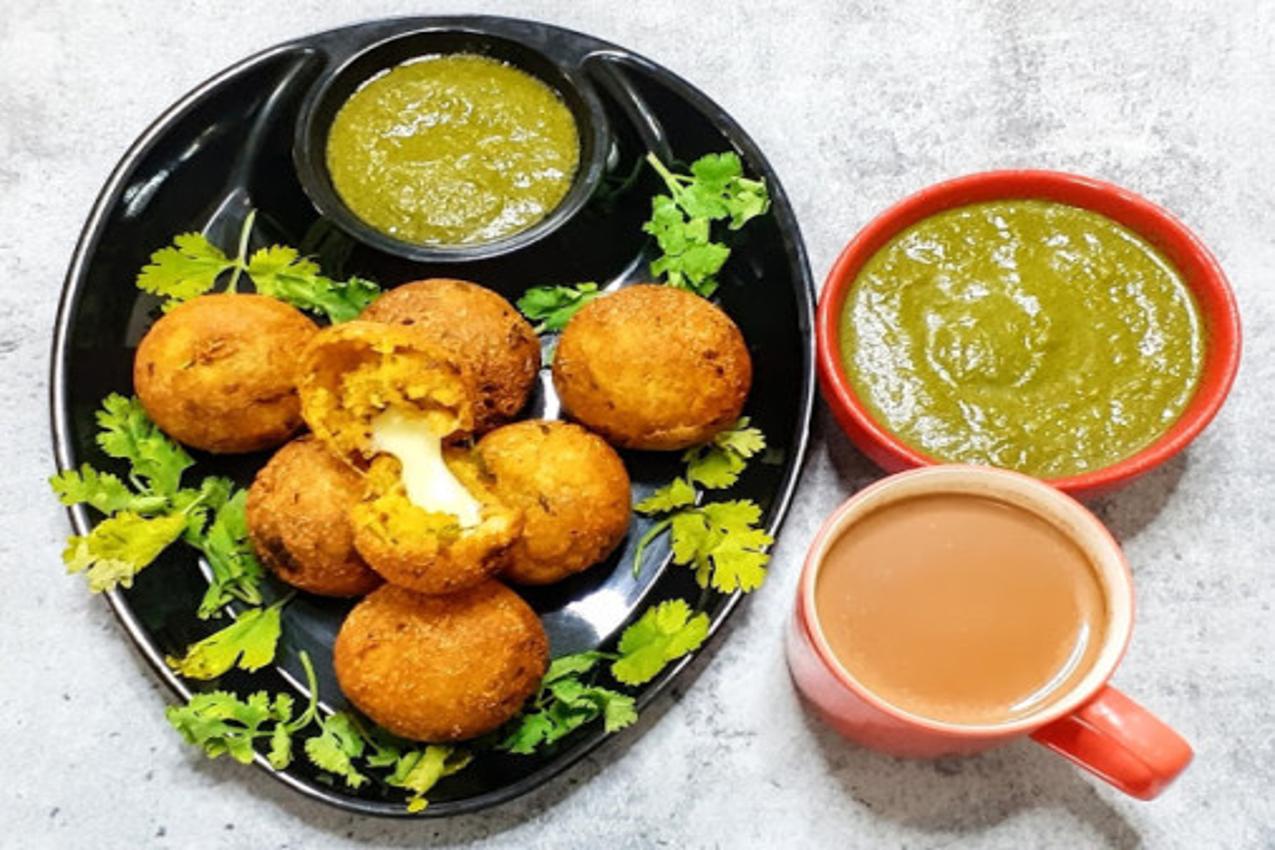
Crispy, golden, and irresistibly cheesy—suji cheese balls are the ultimate party pleasers. The roasted semolina creates a crunchy shell, while gooey cheese inside guarantees a bite of comfort. Whether served at a gathering or enjoyed as a tea-time treat, these little delights never fail to impress.
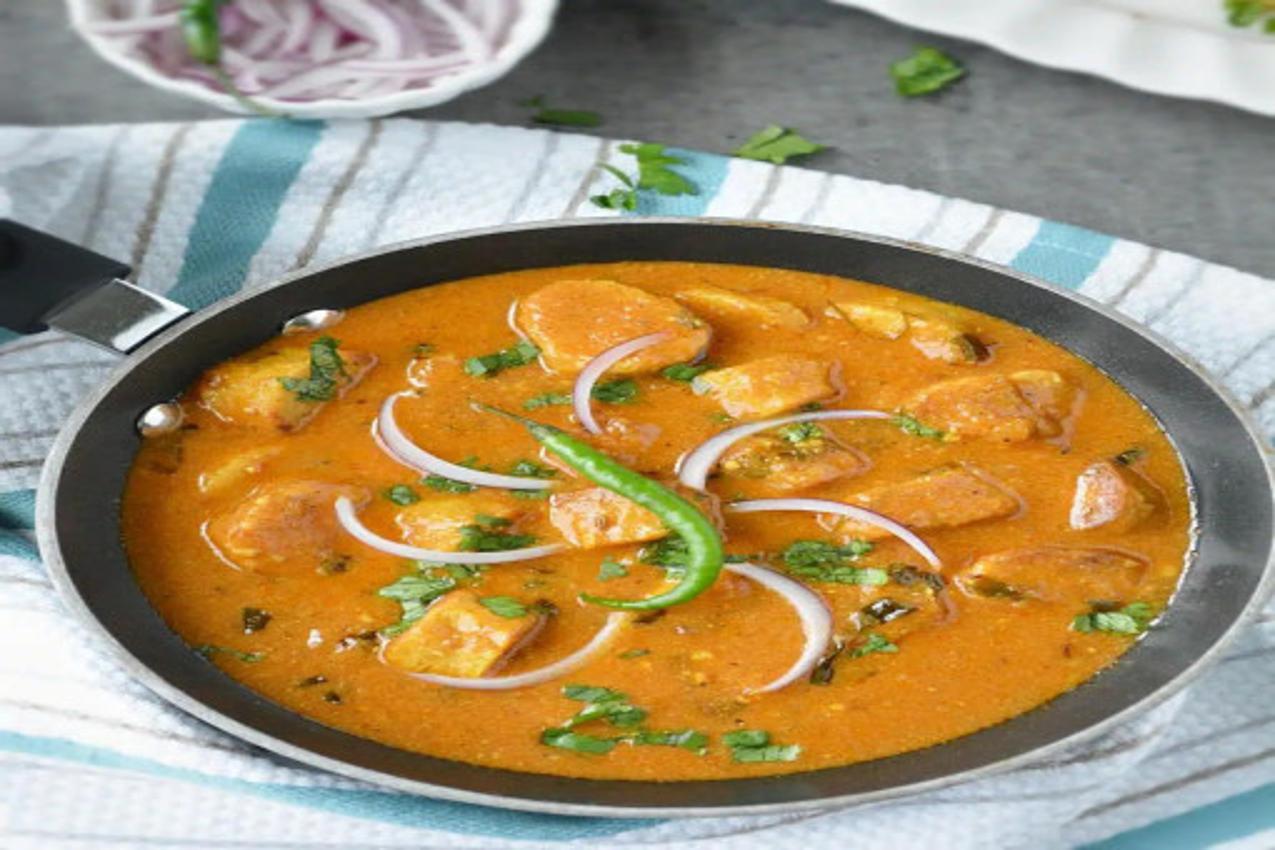
Straight from Rajasthan’s royal kitchens, besan gatte is a dish that celebrates spice and tradition. Steamed besan dumplings absorb the richness of yogurt-based curry, making each bite tangy, soft, and indulgent. It’s festive food, but its simplicity allows it to shine equally well on everyday dining tables.
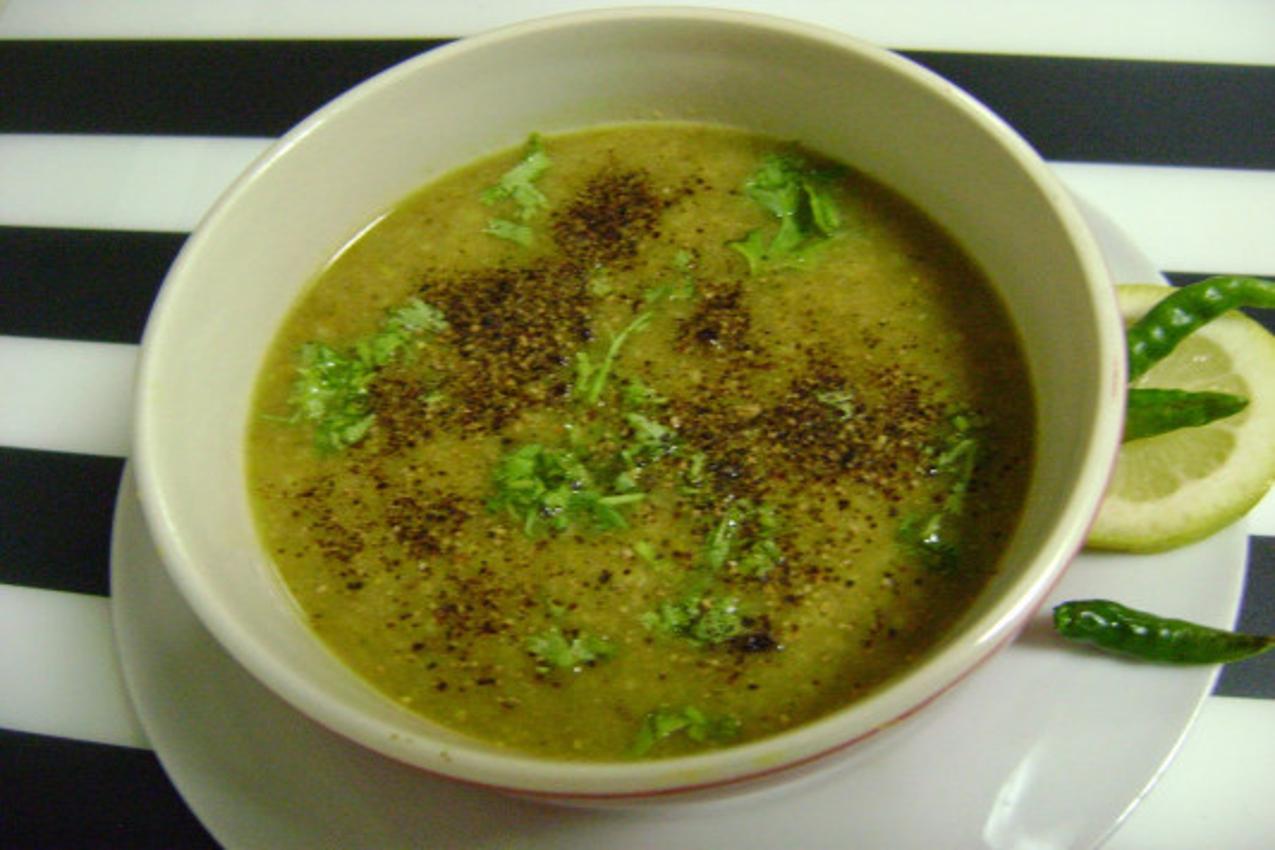
This dalia soup proves that comfort food can also be deeply nourishing. Roasted wheat, simmered with vegetables and spices, transforms into a warm, hearty bowl. Light enough to soothe and filling enough to sustain, it’s the kind of dish that feels like a hug from the inside.
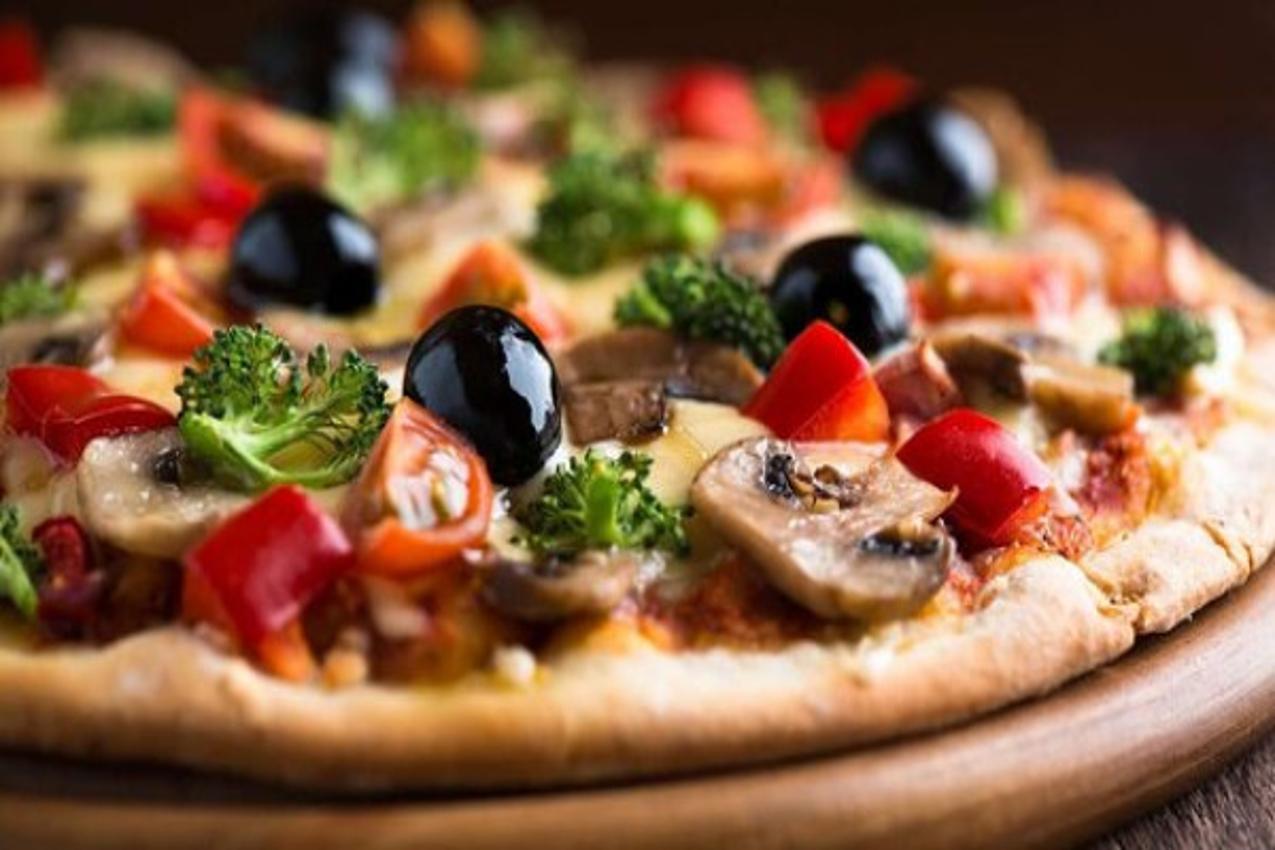
Who says pizza can’t be nourishing? This dalia pizza base reinvents the world’s favorite comfort food by blending the nutty flavor of broken wheat with the lightness of whole wheat flour. The result is a crust that’s crisp yet wholesome, carrying all the charm of pizza with added goodness.
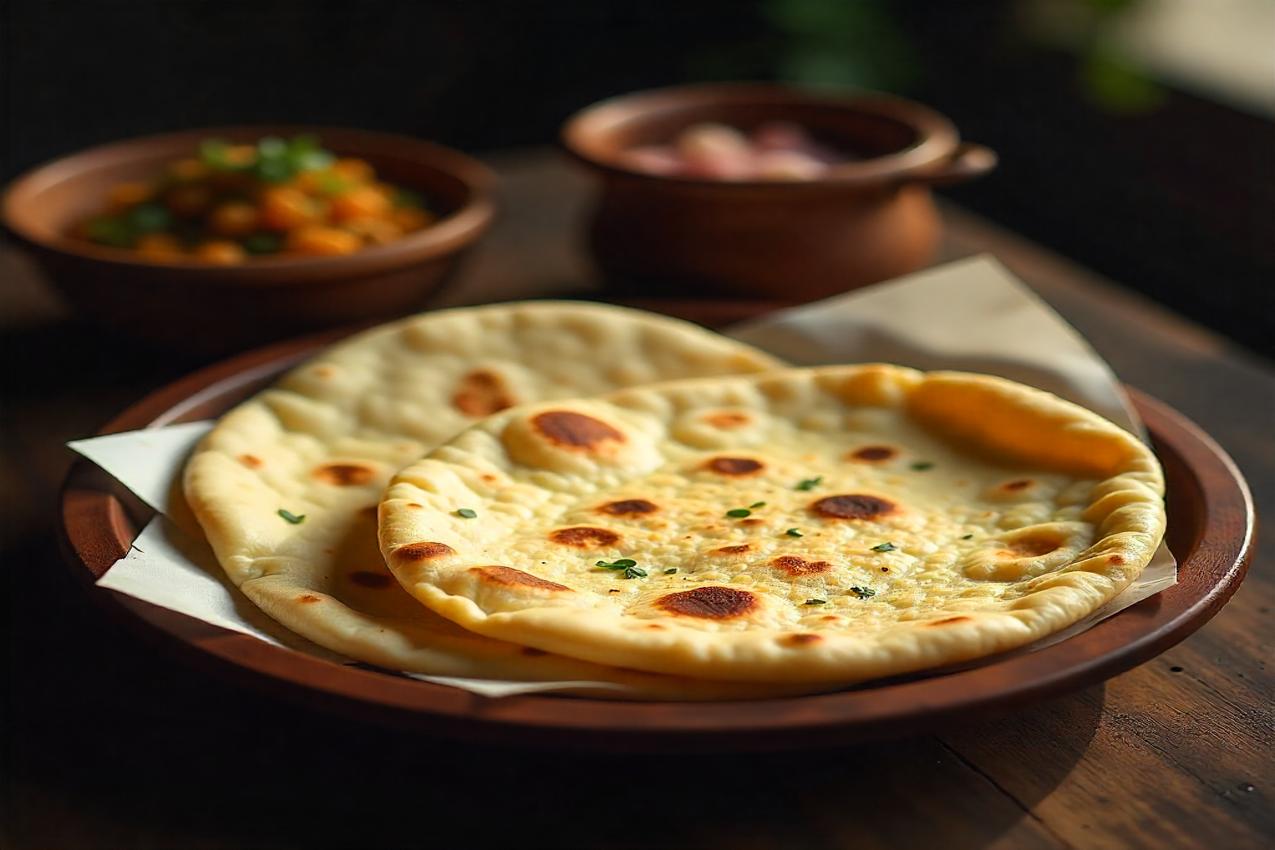
Every time you make that perfect round roti, you're literally doing what your ancestors did 5000 years ago. This isn't some random claim; it's pure archaeological fact that'll make you look at your daily wheat atta completely differently.
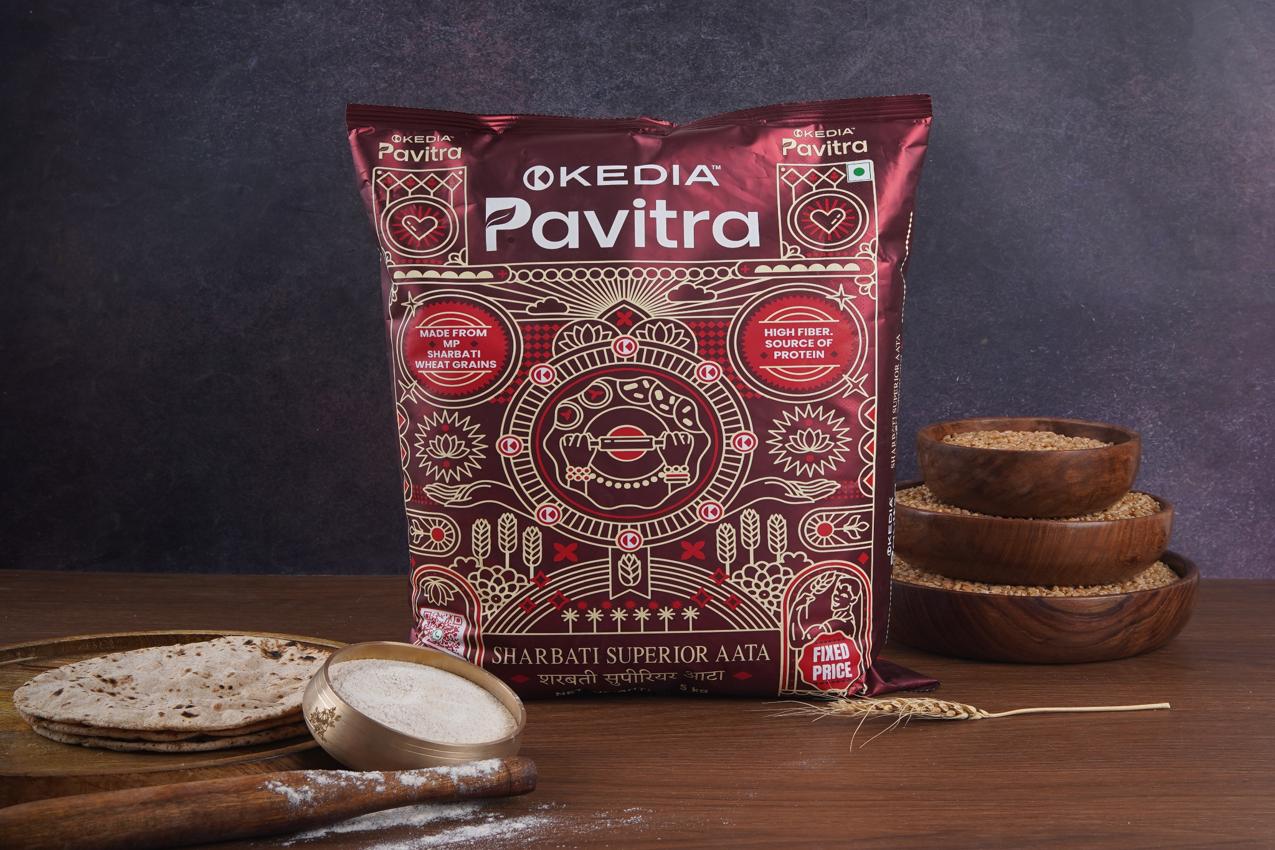
Ever wondered why your grandmother always treated atta like something sacred? Why she'd scold you for wasting even a single roti? The answer lies in one of the most dramatic divine stories ever told - when Goddess Annapurna literally saved the entire universe with wheat grains.
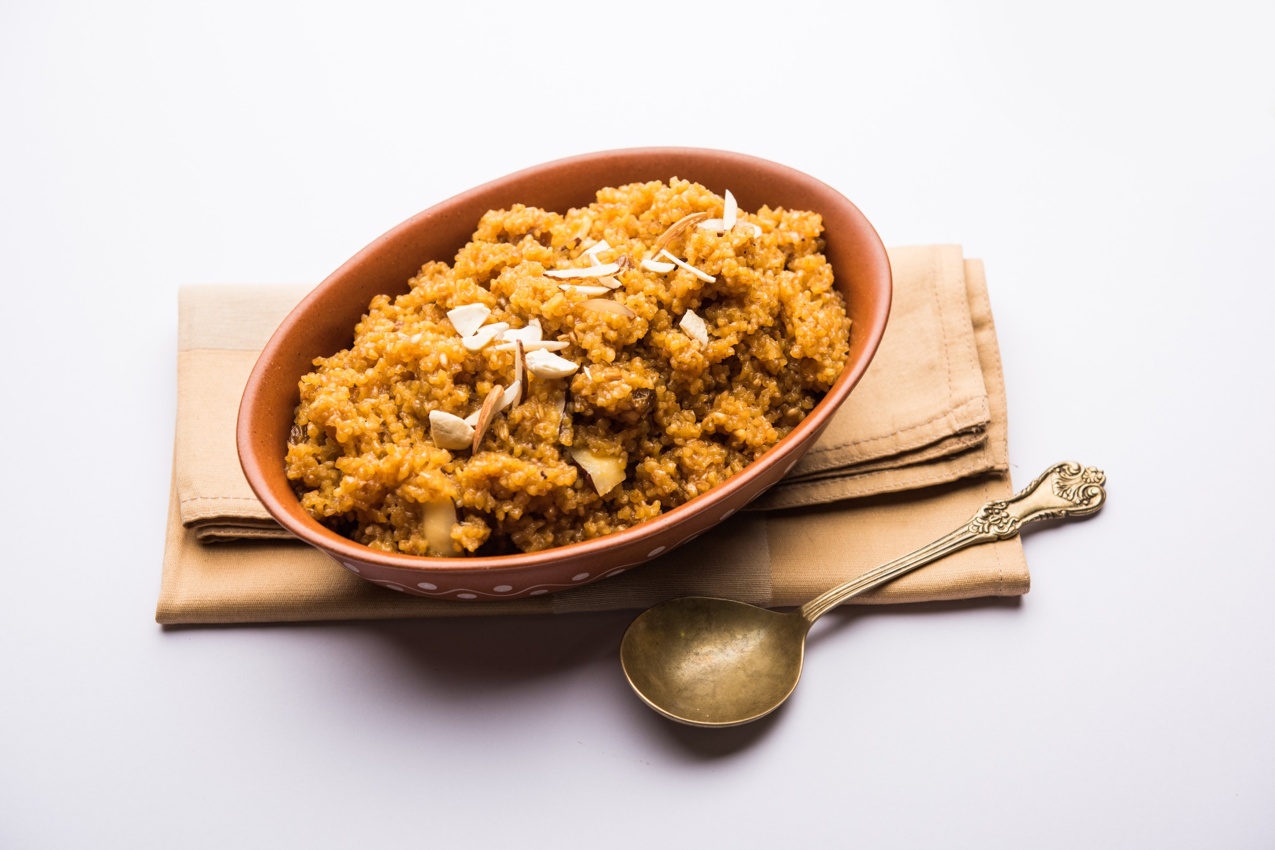
Have you ever wondered why our grandmothers always made that simple lapsi during Pitru Paksha? It seems like a simple dish but trust me - there's so much more to this humble dish! Let's dive deep into the significance that'll make you respect this traditional mithai even more.
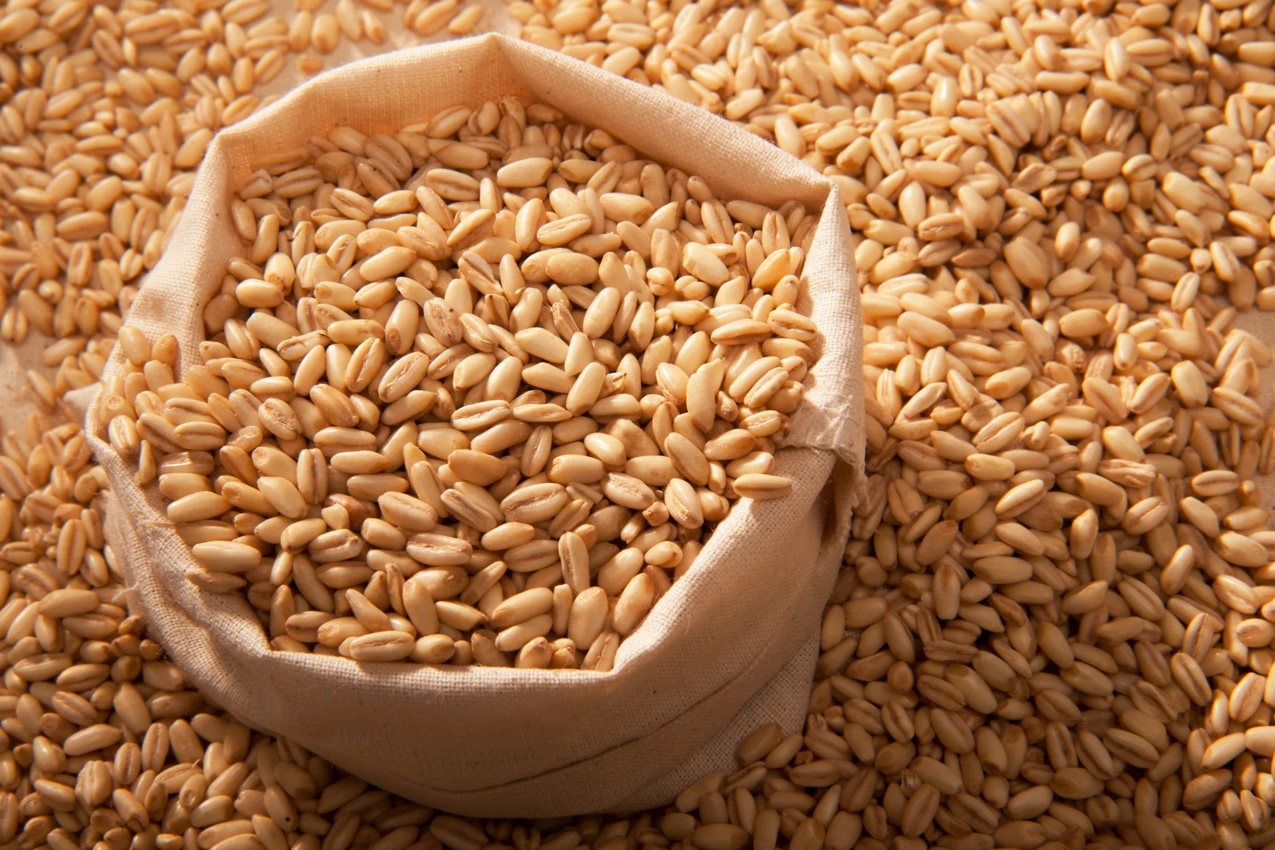
Pitru Paksha, the fortnight dedicated to honoring our ancestors, is a time when food transforms into a sacred prayer. Every offering prepared during Shraddh isn’t chosen merely for its taste or availability, but with careful attention to its purity and symbolic significance.
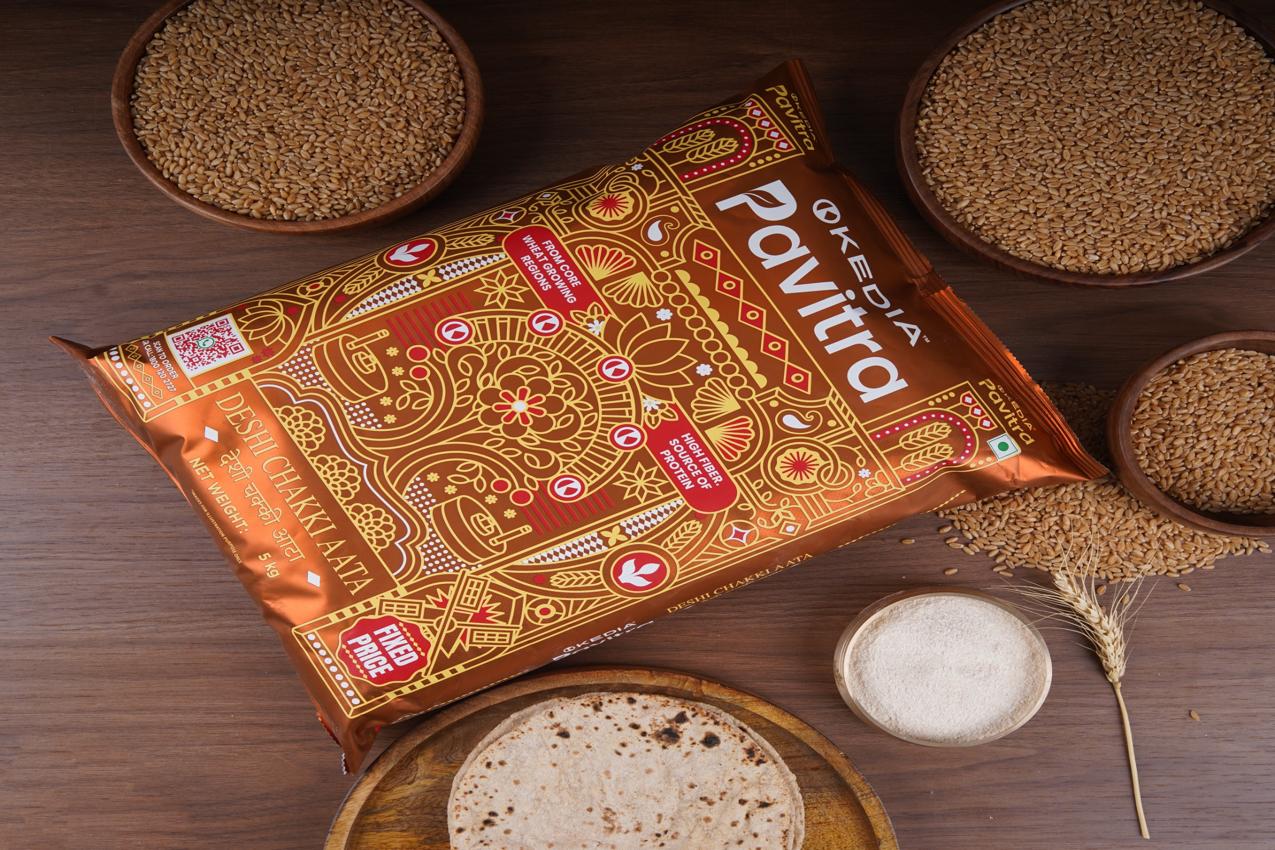
When it comes to gut health, people often run after fancy foods—quinoa, chia seeds, oats. But sach kahun, the real hero has always been in our kitchen: chakki atta. Whole wheat flour, when stone-ground, keeps the bran and germ intact—the very parts that naturally support digestion.
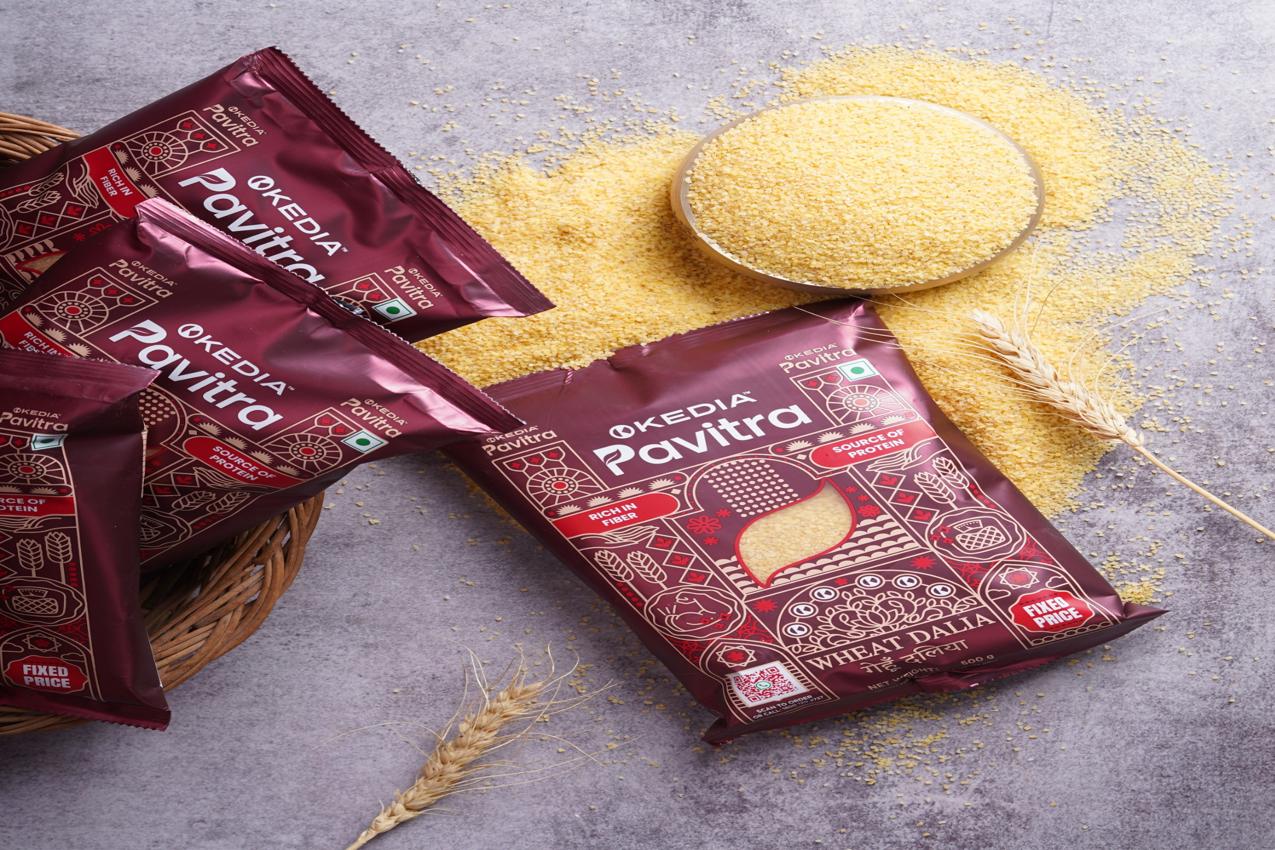
When we think of sports nutrition, the first images that come to mind are protein shakes, energy gels, or fancy supplements. But have you ever thought that a simple bowl of dalia—yes, our humble broken wheat porridge—can actually play a role in an athlete’s diet?
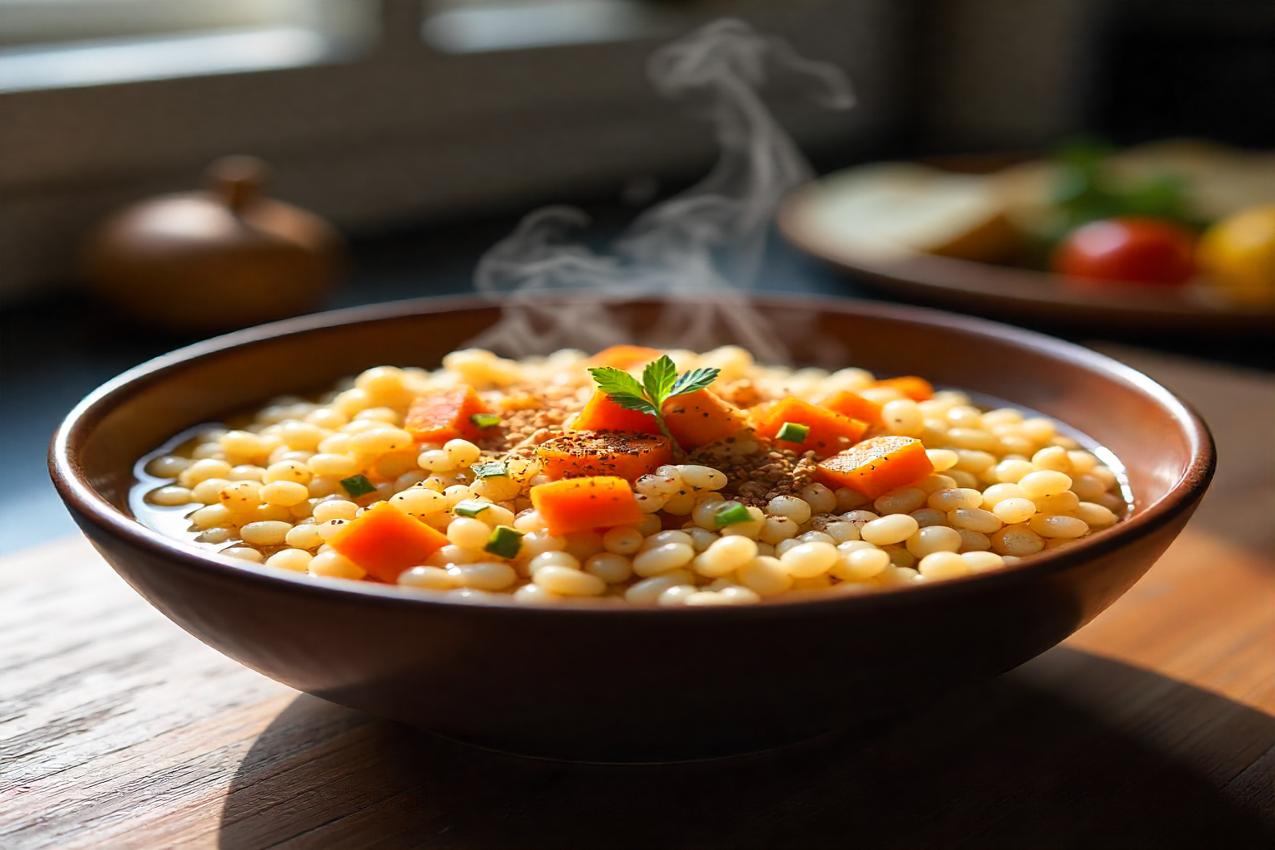
Ever ate Dalia? Chances are, yes. Be it that comforting home cooked porridge, a light upma, or a wholesome khichdi, wheat dalia has been sitting in our kitchens for generations. It’s one of those simple, no-fuss ingredients that grandmothers always trusted.
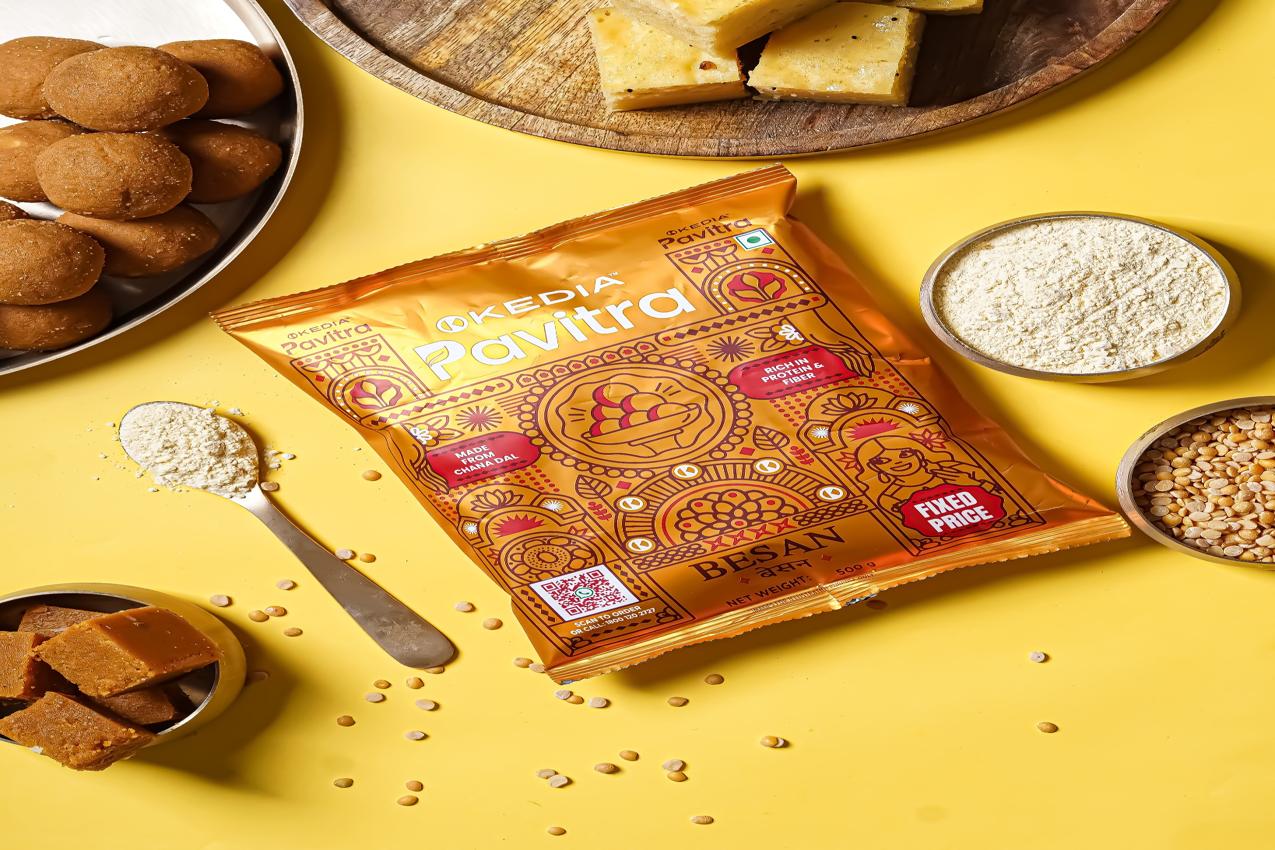
When someone mentions a pakoda-filled evening or besan chilla for breakfast, it instantly brings to mind a comforting image—the golden flour we call besan. Also known as gram flour or chickpea flour, it is made by grinding dried chickpeas (chana dal). From crispy fritters to melt-in-the-mouth laddoos, besan has been part of Indian kitchens for centuries.
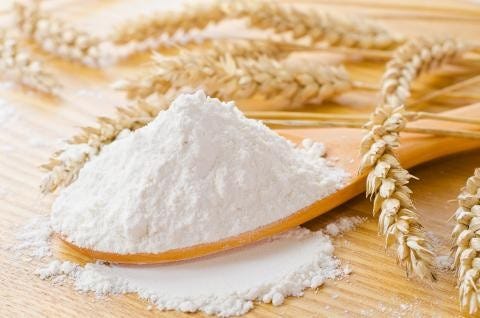
We know that in today’s world trust has to be built. That’s why we want to share a few simple, at-home purity tests — all done with items you probably already have in your kitchen — so you can see for yourself why our wheat is so unique.
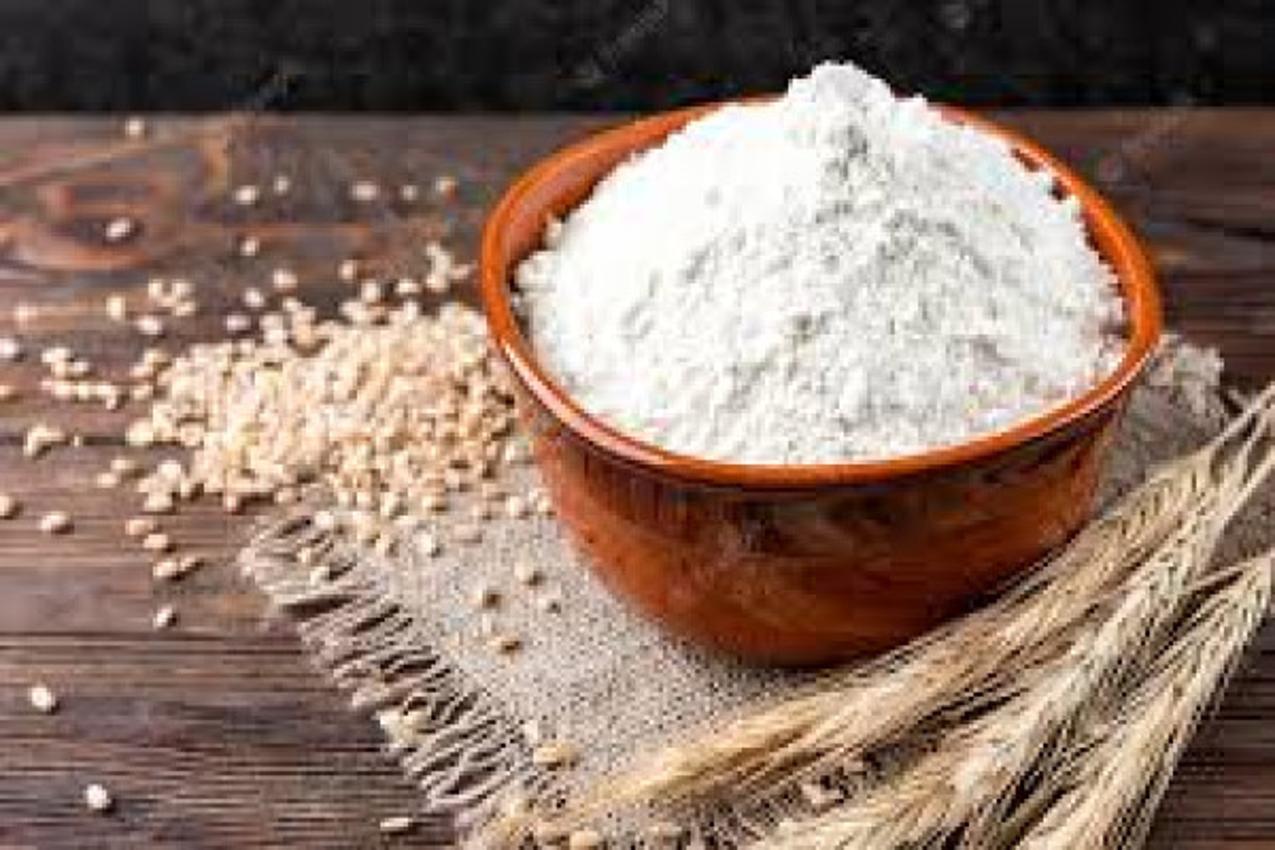
When it comes to something as essential as atta, trust and purity matter the most. While packaging and branding can promise quality, the real test lies in your own kitchen. With a few simple checks—using your senses of sight, smell, touch, and taste—you can easily judge whether your chakki atta is truly authentic and wholesome.
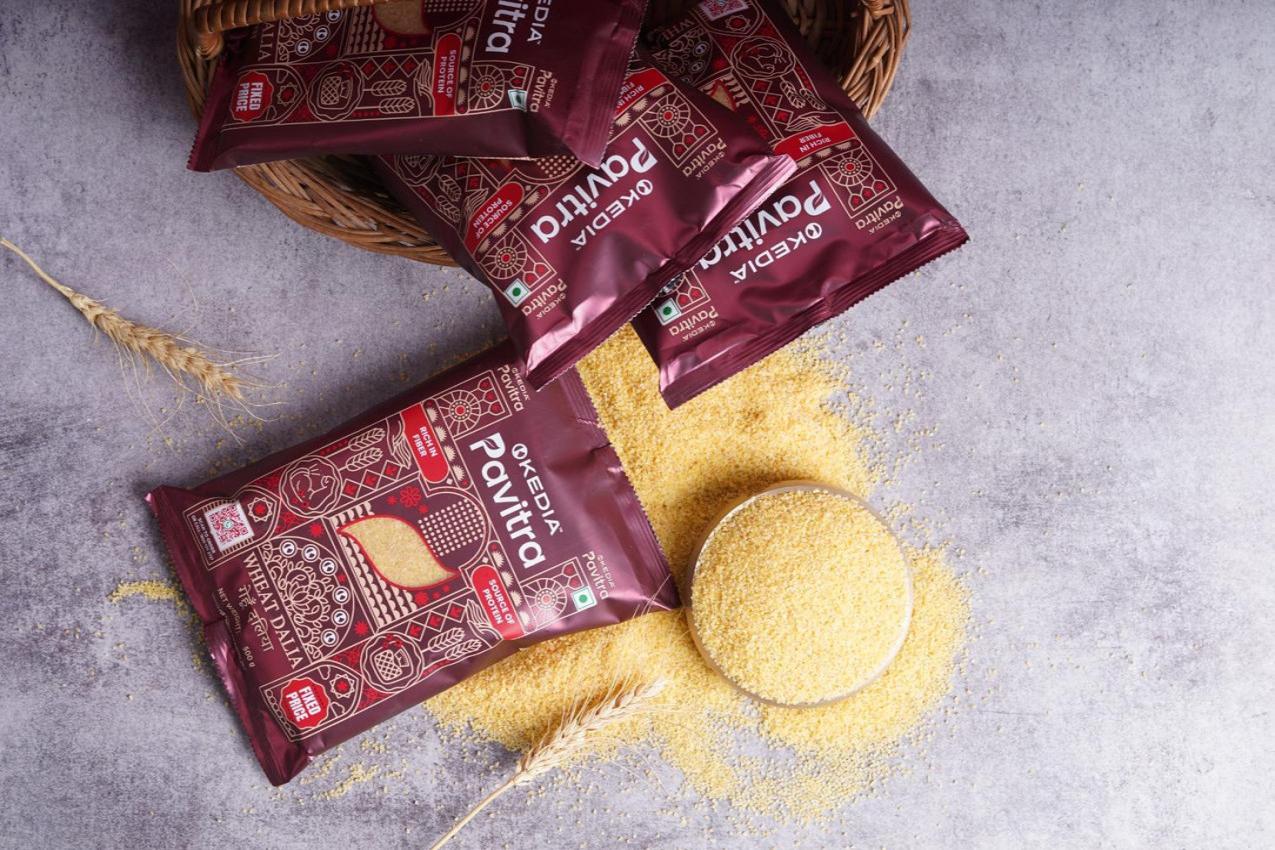
Both Ayurveda and folk wisdom long emphasized digestion as the foundation of health. When digestion is smooth, the body feels light, the mind stays clear, and energy flows naturally. For centuries, dalia—cooked slowly into porridge or khichdi—has been recommended as a food that supports this balance. Modern nutrition explains why.
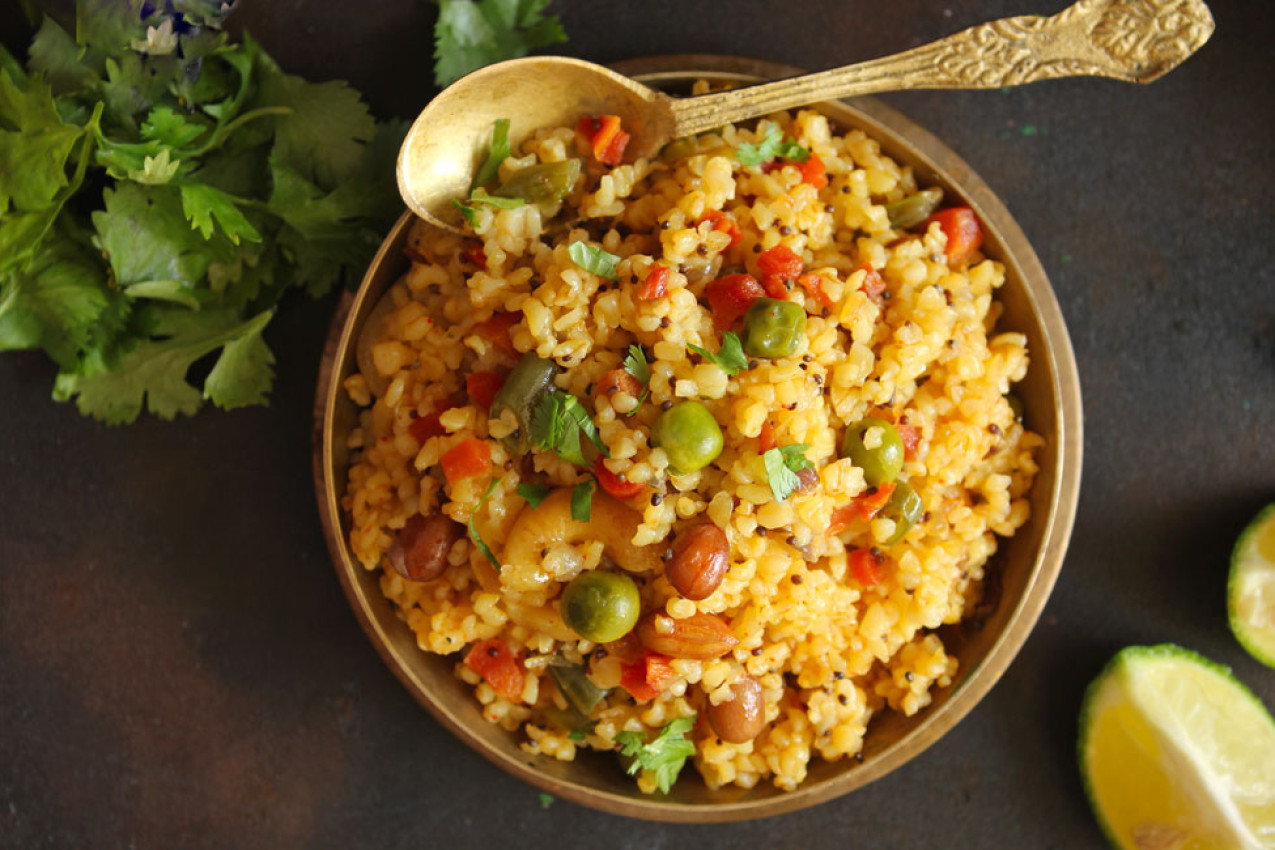
When people think of protein, grains rarely come to mind. Eggs, dairy, lentils, or meat dominate the conversation. Yet grains like dalia, though modest in protein content, still play a quiet but important role in daily nutrition.
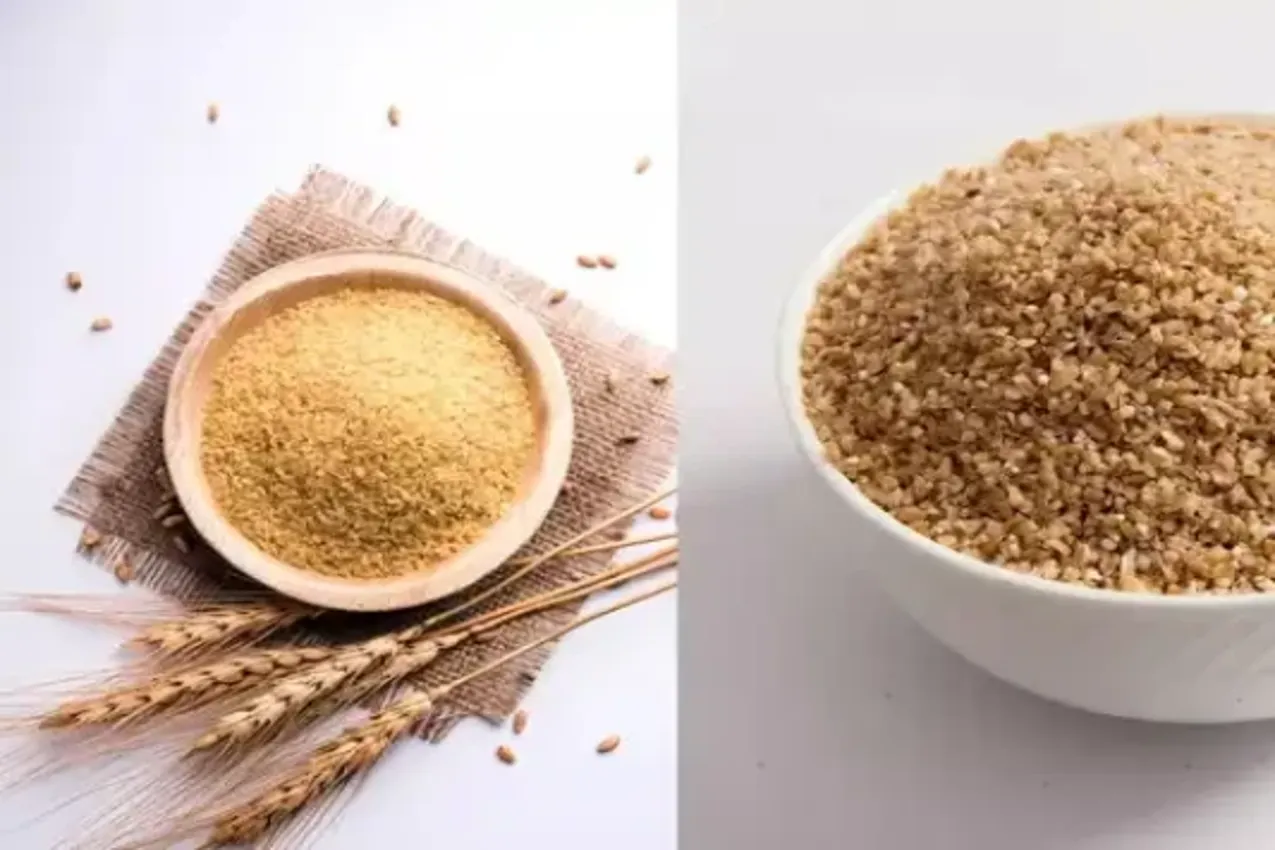
When nutritionists talk about fiber, they often describe it as the “invisible helper” in our diet. Unlike proteins, fats, or sugars that are absorbed into the bloodstream, fiber moves through the digestive tract largely unchanged—yet along the way, it influences digestion, satiety, and even the microbial balance of the gut.
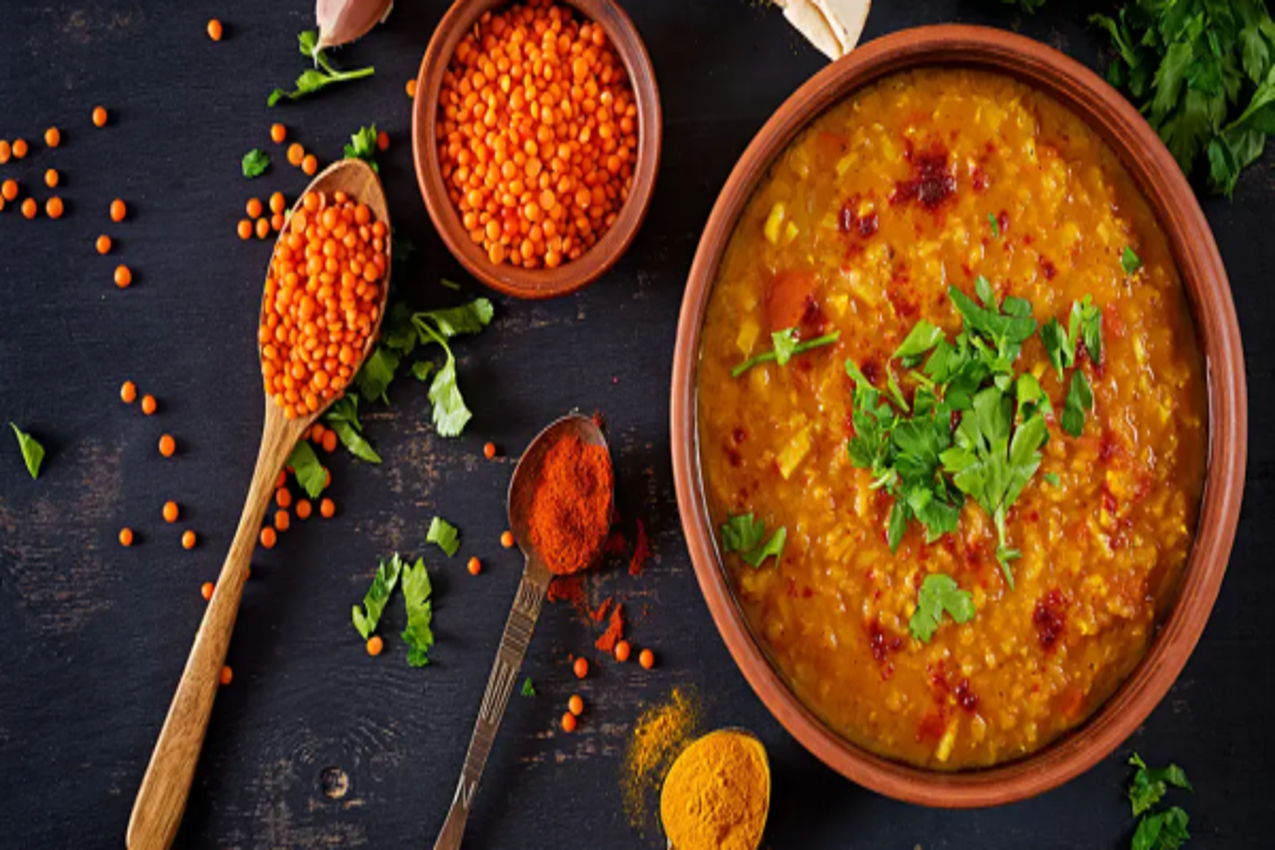
Popular nutrition debates have tended to paint carbohydrates with a broad brush. For some, they are the villain—responsible for weight gain and energy crashes. For others, carbs remain as the primary source of energy for the body, indispensable to daily life. The truth, according to research, lies somewhere in between....
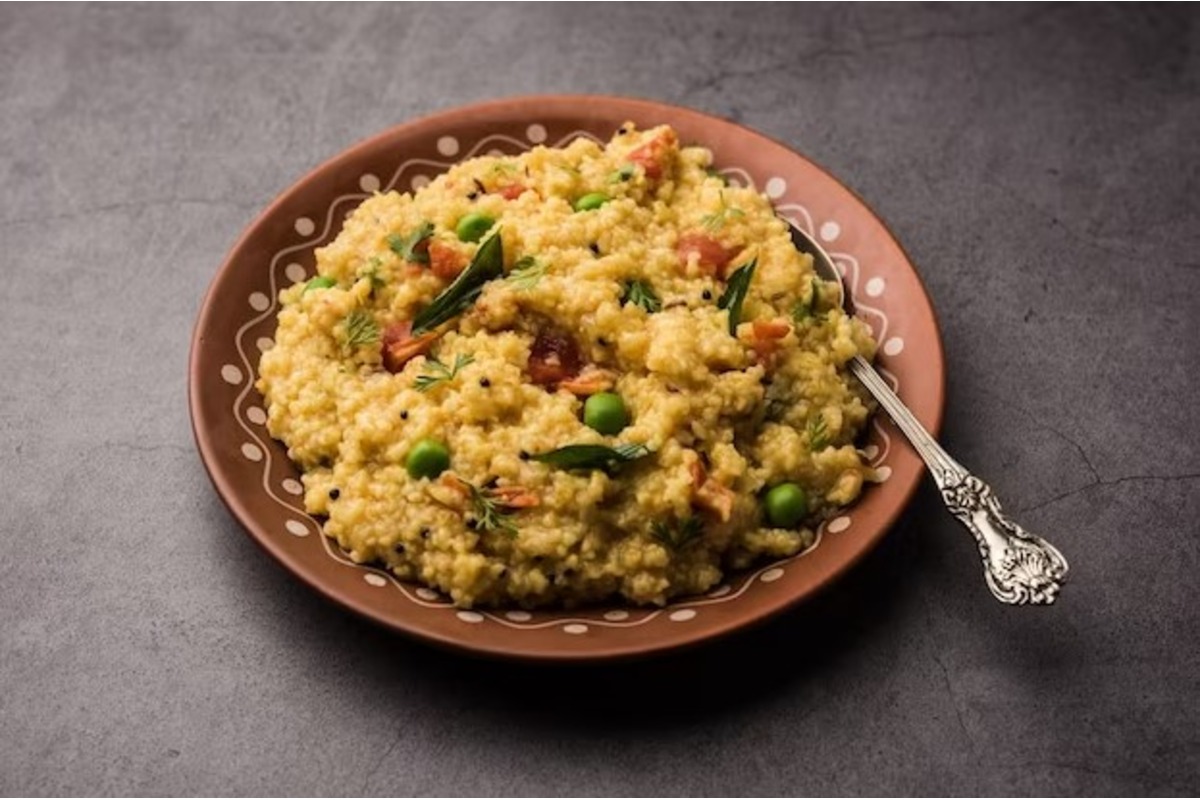
A light, nourishing one-pot dish combining dalia, moong dal, and vegetables. This khichdi is easy to digest, making it a comfort food for all ages, especially when the stomach needs something soothing yet filling.
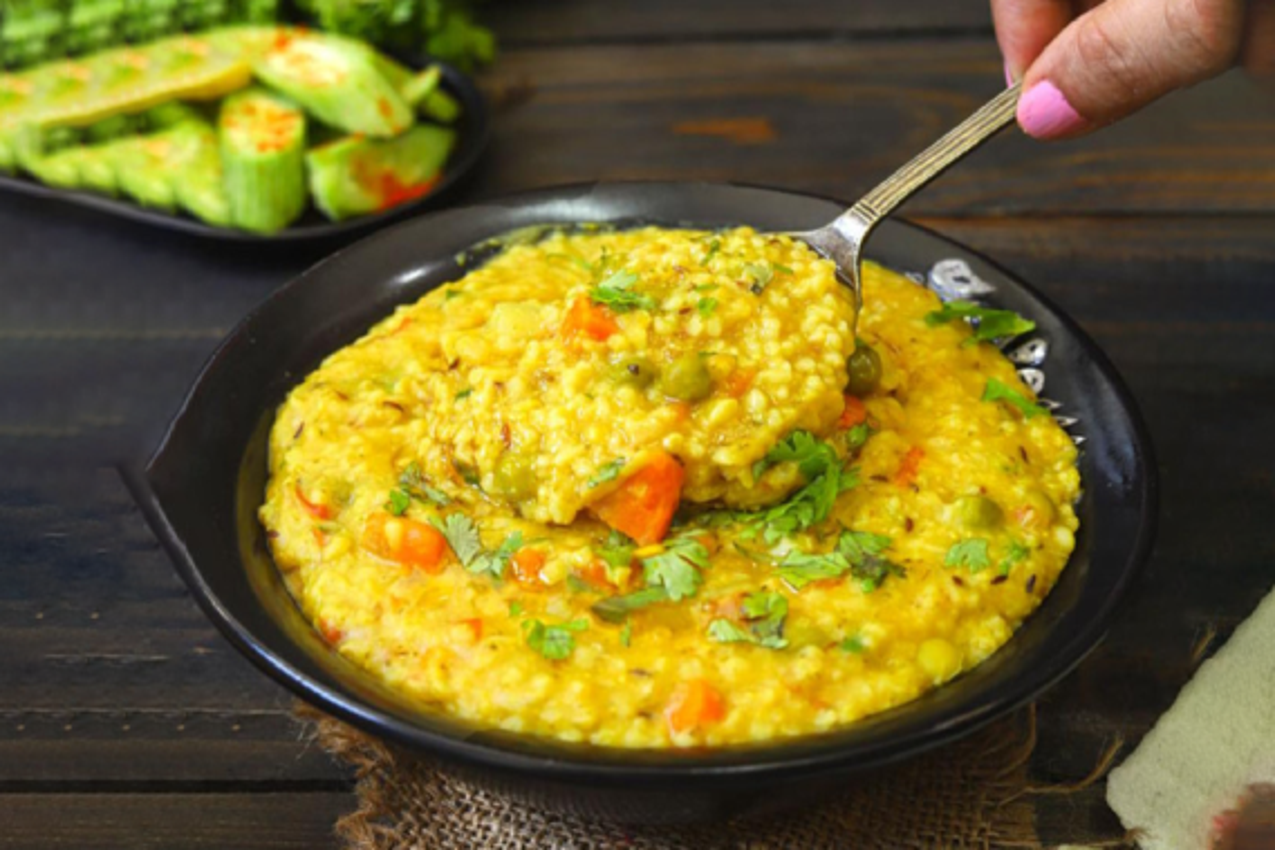
A wholesome pulao made with roasted dalia and fresh vegetables, cooked with aromatic spices. A great one-pot meal for lunchboxes or light dinners.
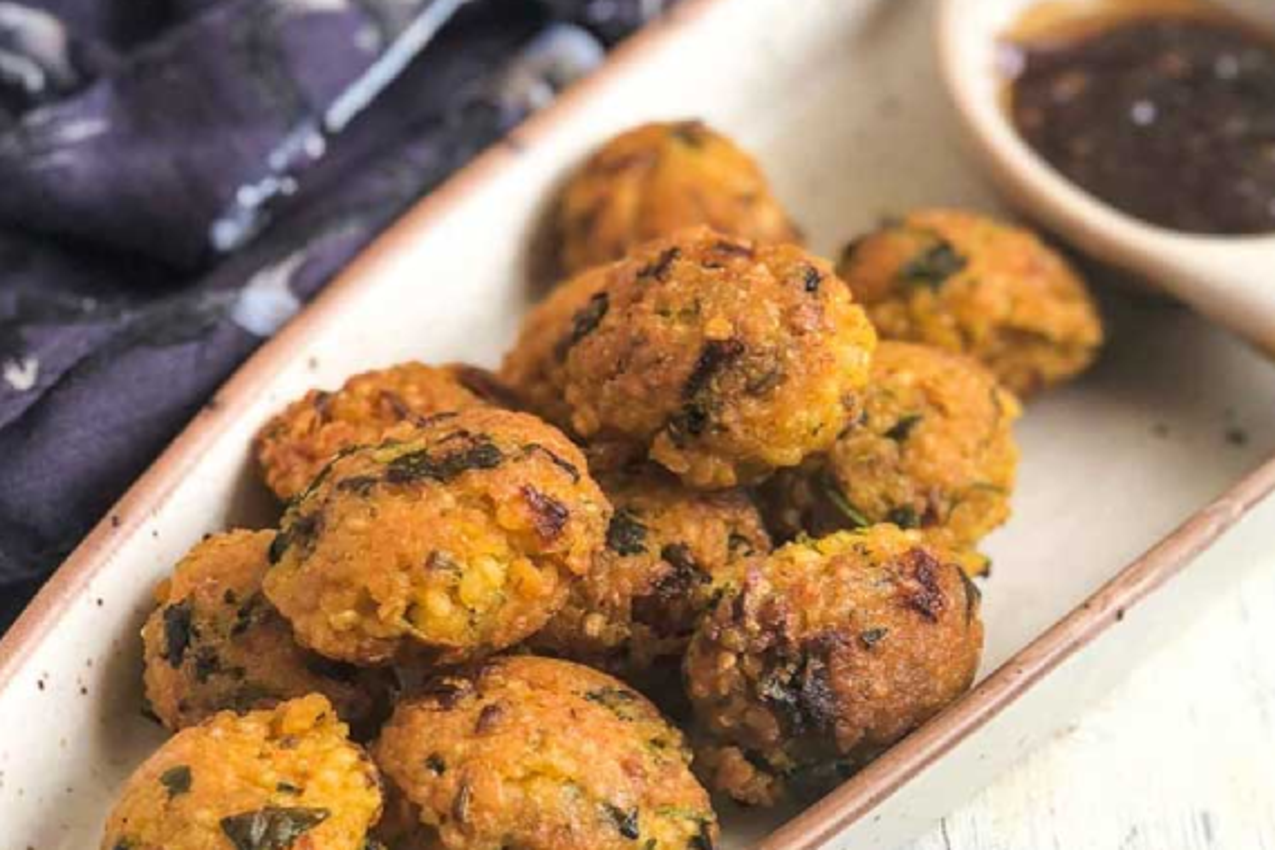
Soft and fluffy savory pancakes made with dalia, curd, and vegetables. These are similar to chillas but thicker, giving a hearty, satisfying feel. Ideal for breakfast or an evening snack with chutney.
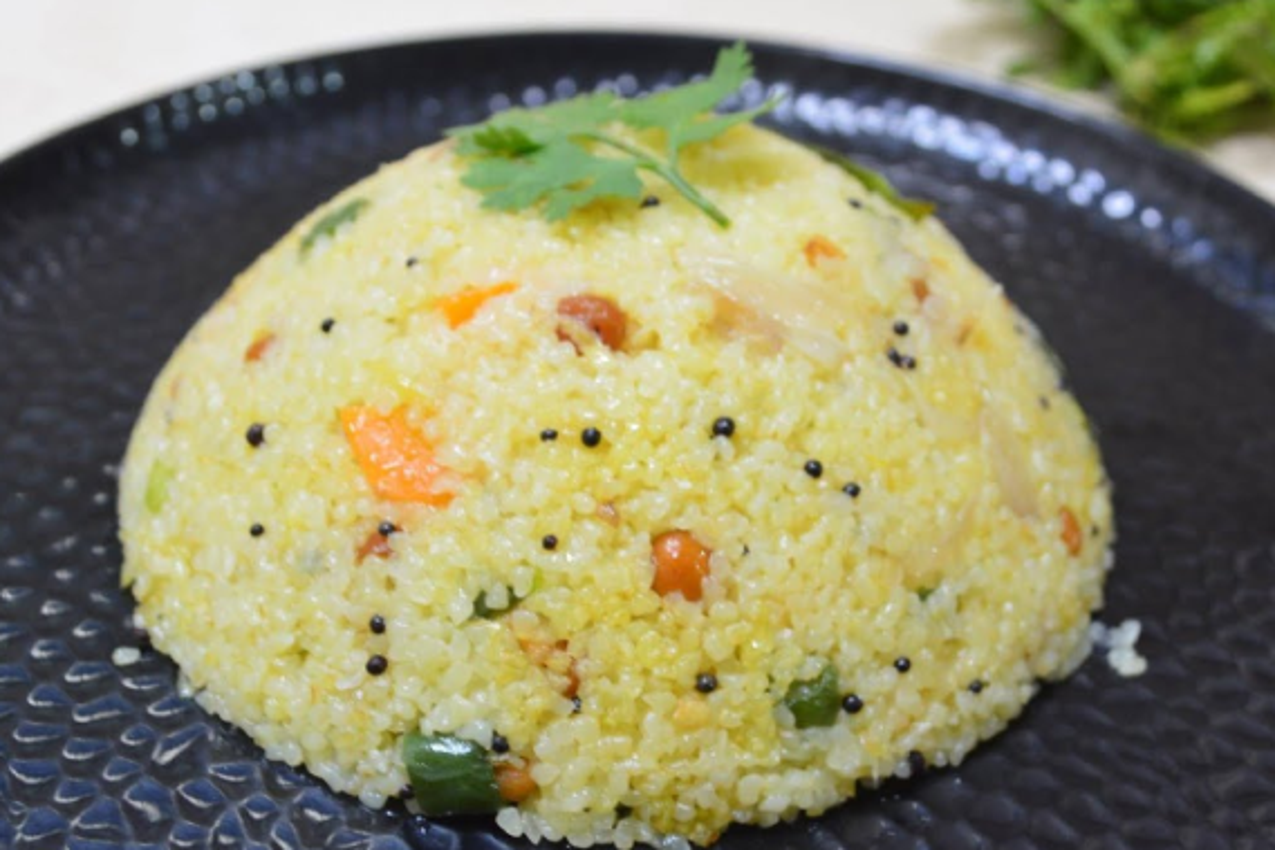
A South Indian-inspired breakfast made by roasting dalia and cooking it with onions, chilies, curry leaves, and vegetables. This wholesome, savory dish is a lighter yet more fibrous cousin of the classic rava upma.
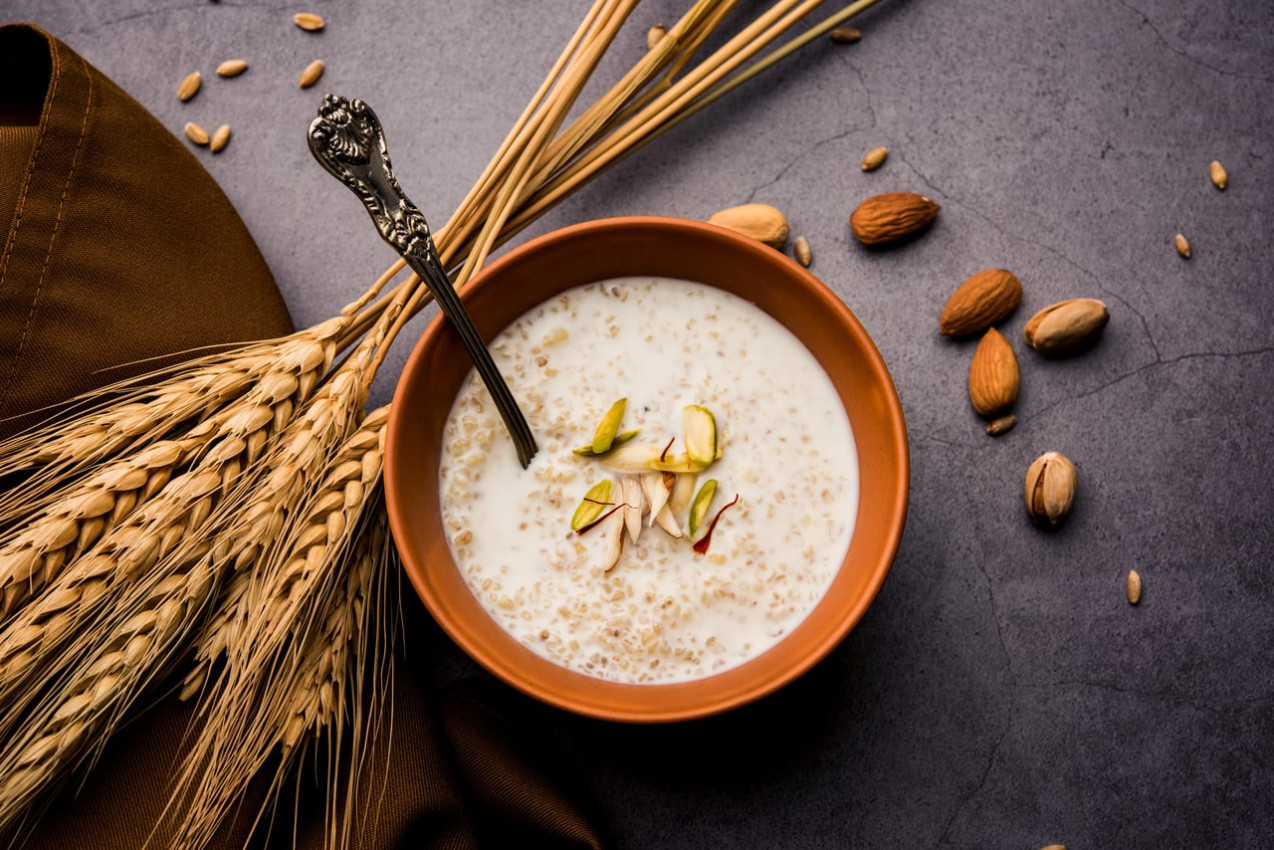
A traditional Indian dessert made by roasting dalia in ghee, simmering it in milk or water, and sweetening with sugar or jaggery. Soft, melt-in-mouth, and aromatic, it’s often made for festivals or special occasions. Dalia halwa is not just indulgent — it’s nourishing too, offering a slow-release energy boost.
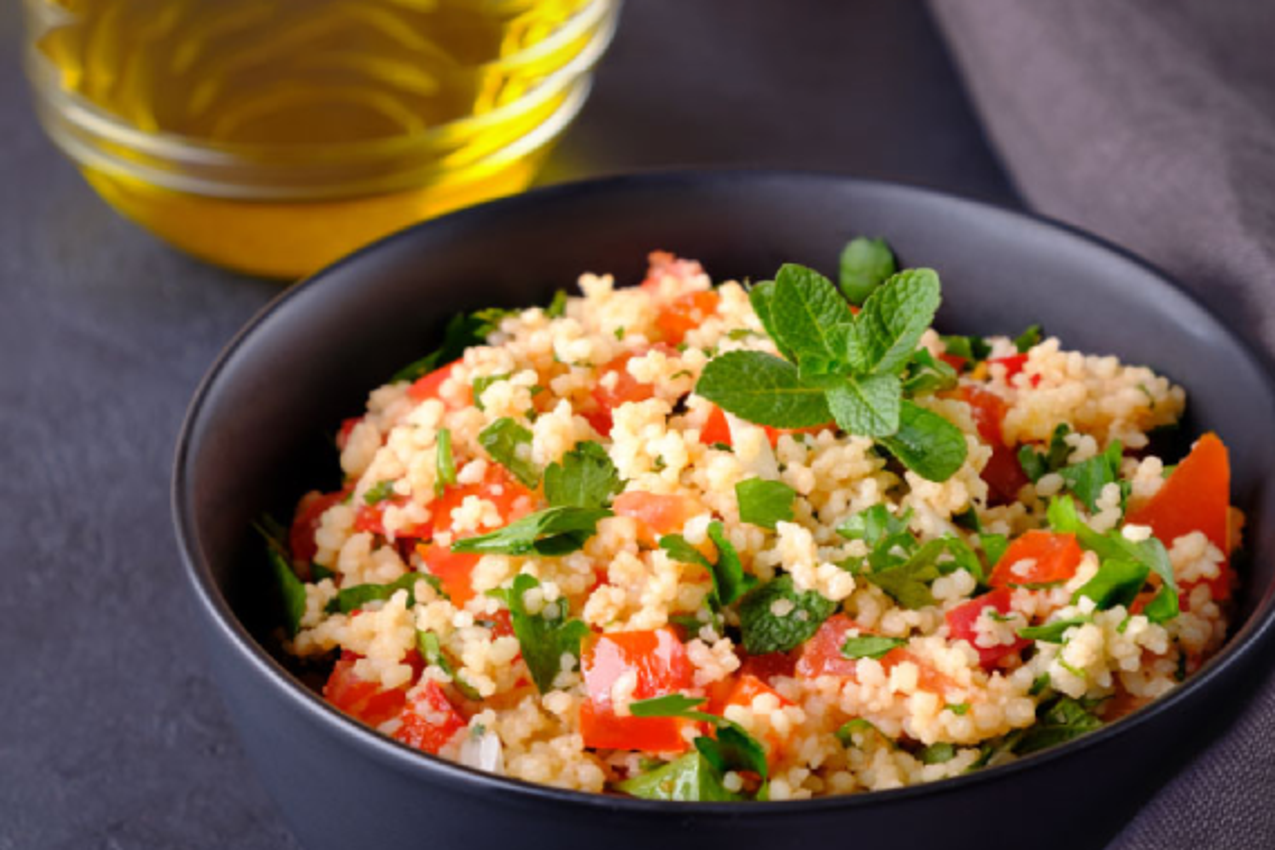
A refreshing, fiber-packed salad made with cooked dalia, sprouted chickpeas, and crunchy seasonal vegetables. This dish is not only wholesome but also light on the stomach, making it perfect for summer breakfasts or a quick snack. With its high protein and fiber content, it helps keep you full while nourishing the body.
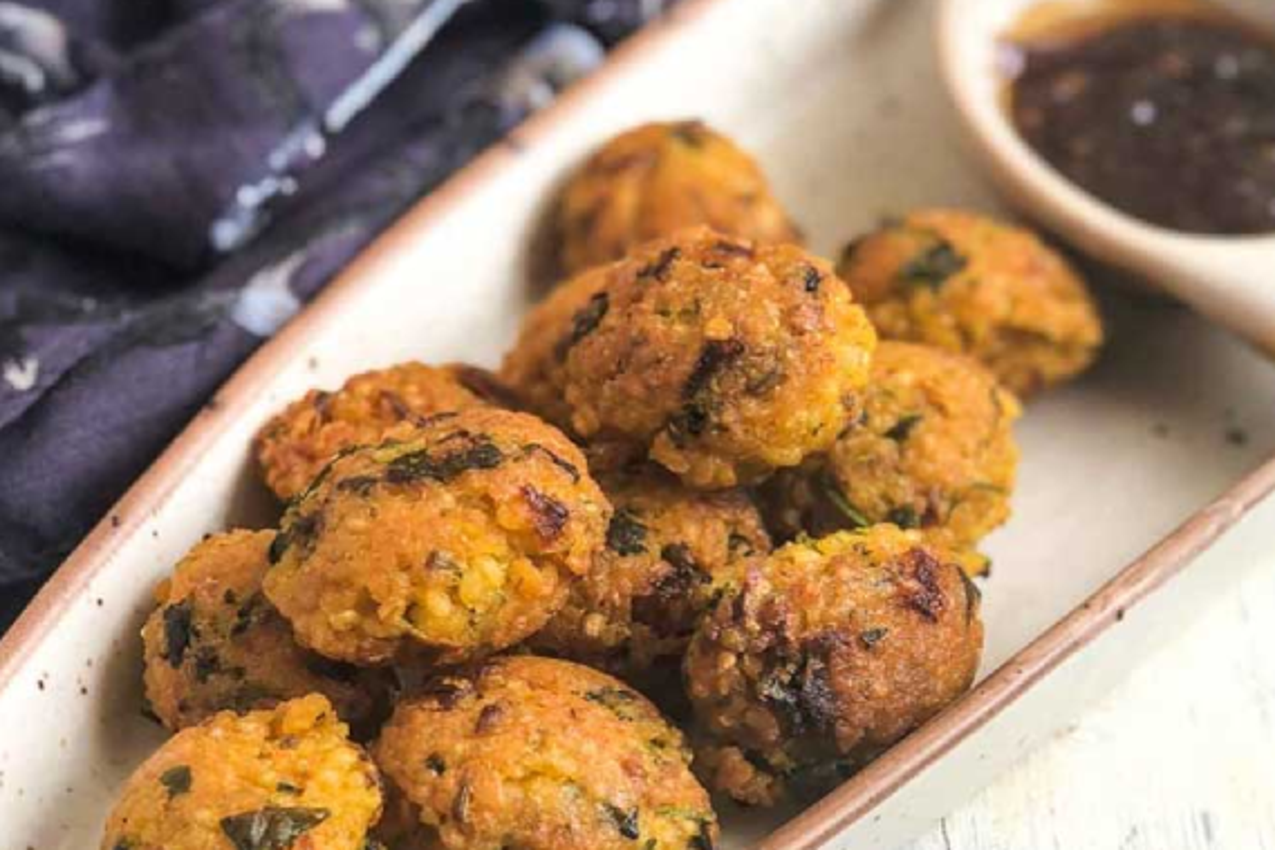
Nutritious cutlets made with cooked dalia, mashed potatoes, and aromatic spices — these tikkis are crispy outside, soft inside, and absolutely irresistible. A wholesome alternative to regular aloo tikkis, dalia tikkis are rich in fiber and low in fat, making them a guilt-free indulgence.
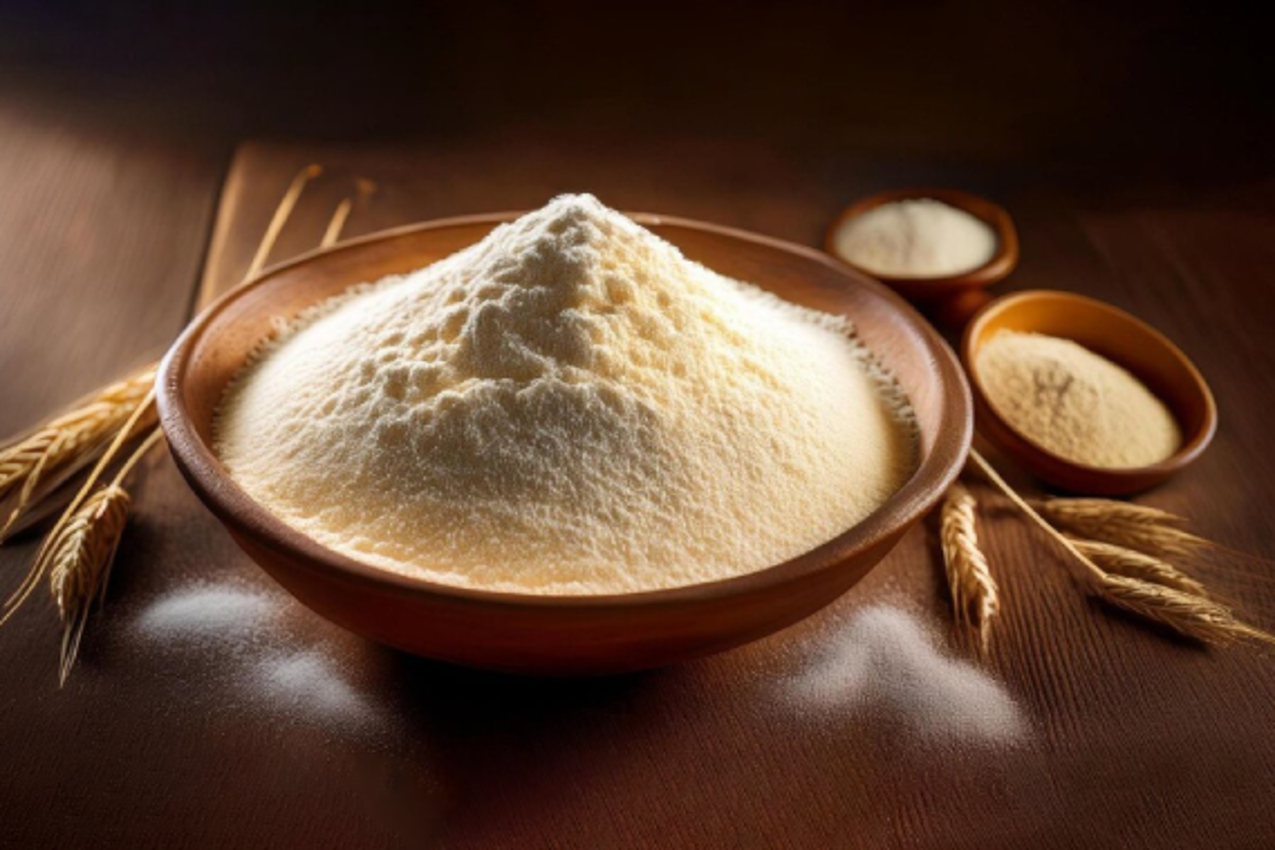
Hey, what prasad will be made today?” A small voice echoed in the temple courtyard. “Son, today is Hanuman ji’s day. We make suji halwa—it’s his favorite… and beloved by all devotees too.” The ghee began to heat, and with the clink of the spoon, the suji was roasted.
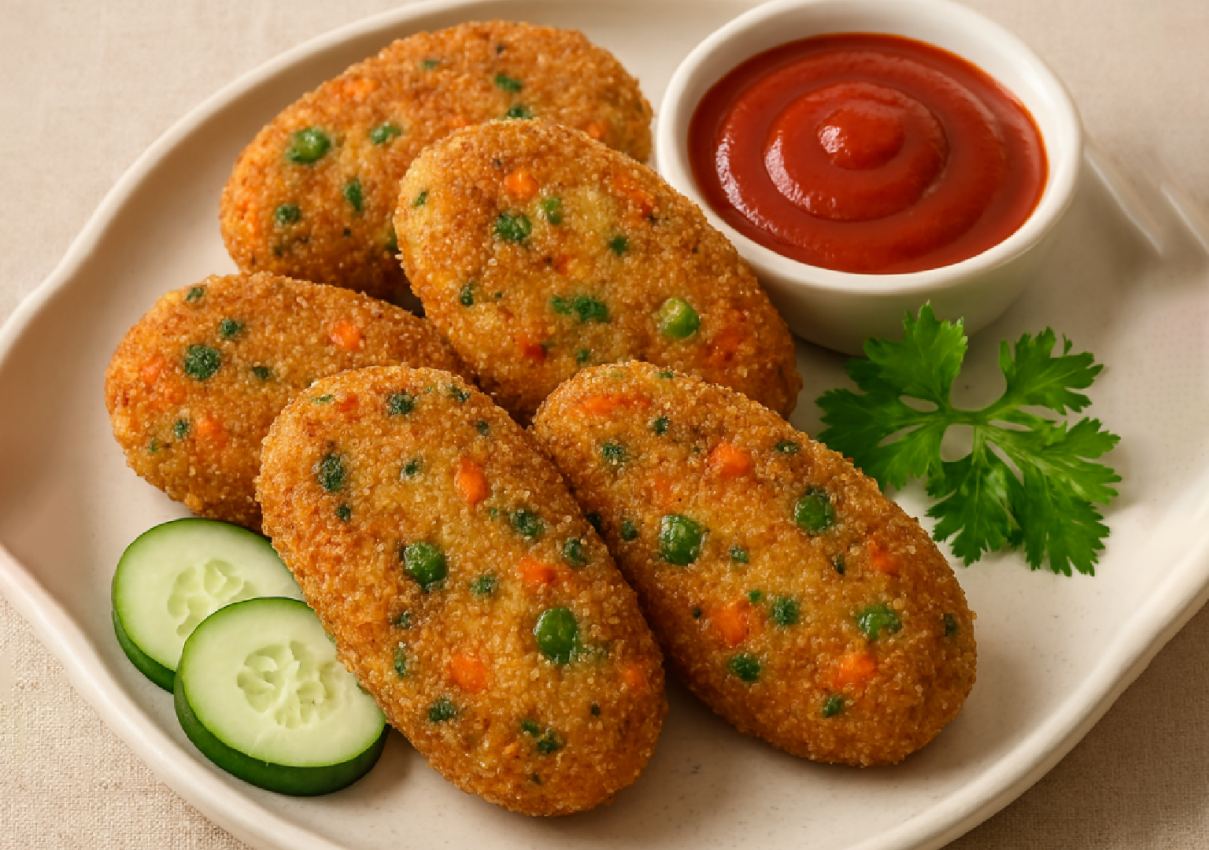
Suji Cutlet Recipe | Rava Cutlet | Crispy Suji Snack with step-by-step recipe. A popular teatime or evening snack made with suji, boiled potatoes, onion, and spices. These cutlets are shaped into patties, coated with crumbs, and shallow-fried until golden and crispy.
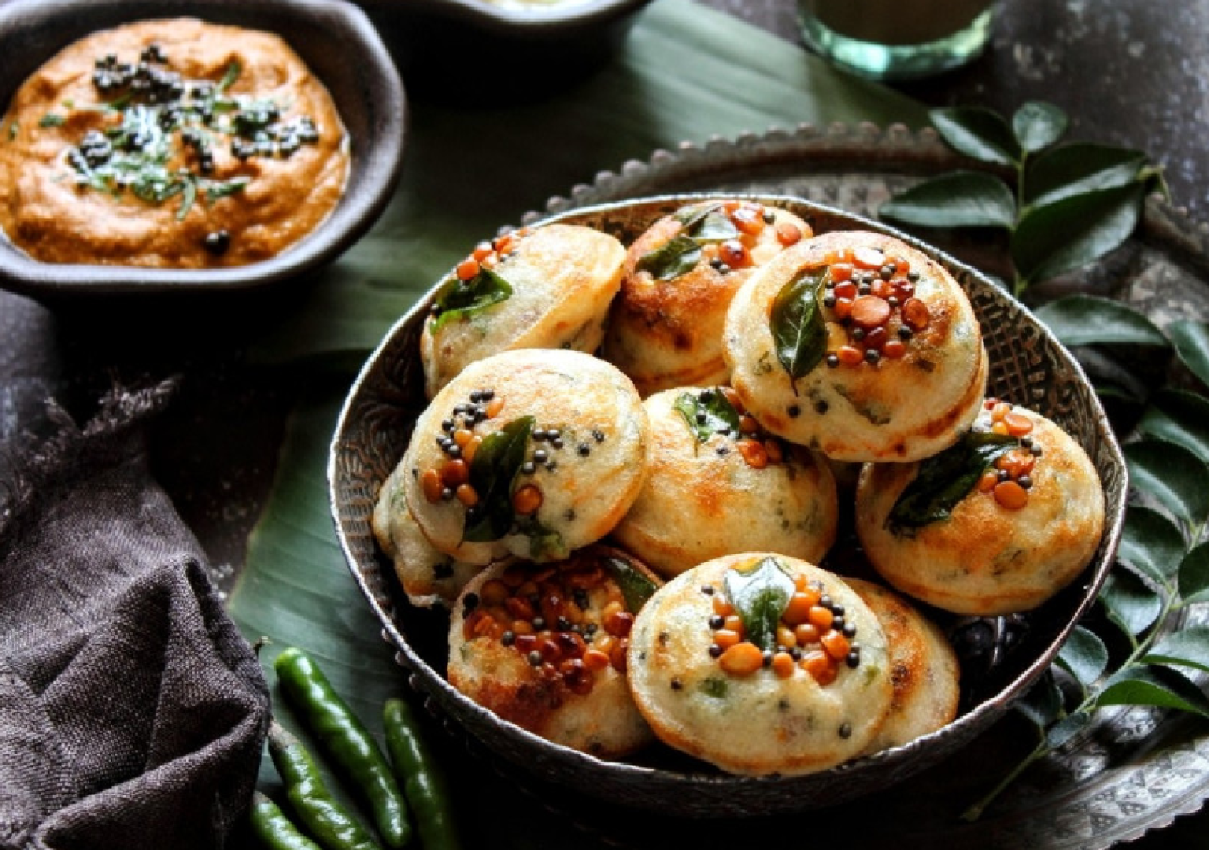
Suji Appe Recipe | Rava Appe | Instant Rava Paniyaram with step-by-step recipe. A quick and healthy South Indian snack made with suji and curd, cooked in a special appe/paniyaram pan.
 App Store
 Play Store