
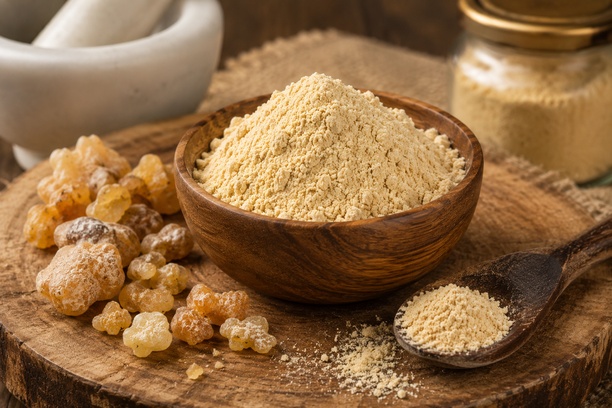
Hing, or asafoetida, is one of the most concentrated spices in an Indian kitchen. A very small quantity can add a distinctive aroma and savoury depth to dal, vegetables, pulses, and tempering.
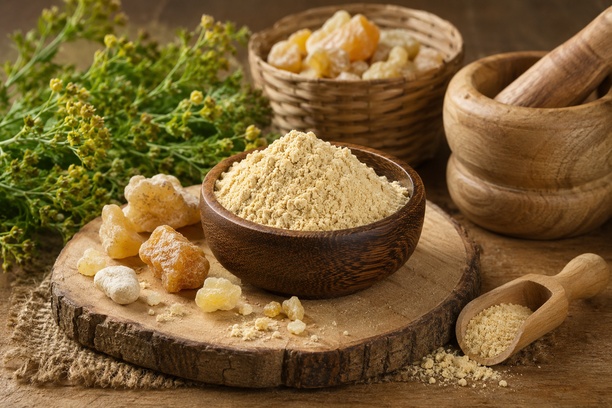
Hing, also known as asafoetida, is one of the most distinctive spices used in Indian cooking. Even though it is generally added in very small quantities, its strong aroma and concentrated flavor can transform an ordinary meal.
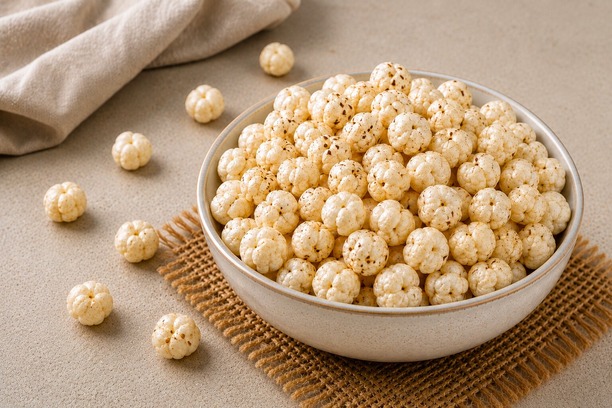
Snacking has always been an important part of Indian food culture. From namkeen with evening tea to homemade snacks during festivals, we have always enjoyed something crunchy between meals. But today's snack choices are changing. People increasingly want food that is convenient, flavorful, and made with simpler ingredients.
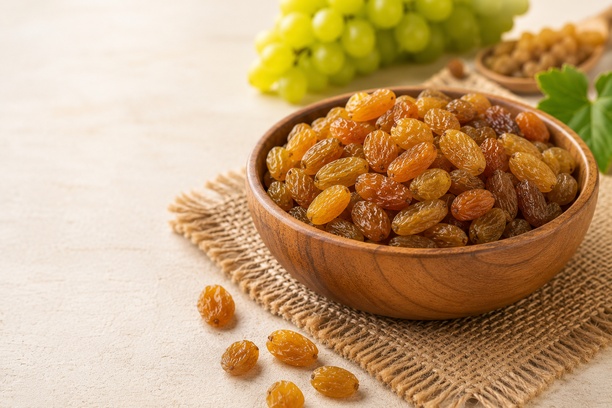
Raisins, popularly known as kishmish, are not merely an ingredient that adds natural sweetness to cakes and festive delicacies. Raisins, made by dehydrating grapes, contain many nutrients that are naturally found in grapes. The small size, long shelf life, and the natural sweetness of raisins enable them to be included easily in daily diets.
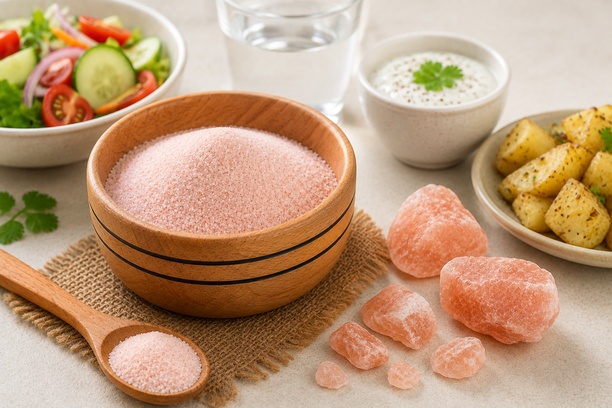
When it comes to the kitchen basics, salt is one of the most basic ingredient yet you can make a difference by selecting the right kind of salt. Himalayan pink rock salt or sendha namak is gaining popularity due to its natural pink colour, unique taste, and traditional use in Indian cooking.
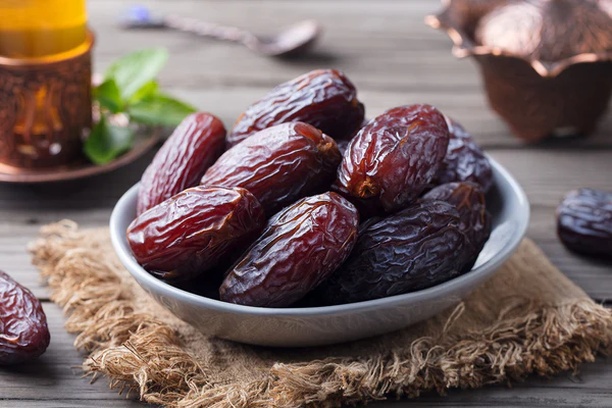
Medjool dates are huge fruits that are naturally sweet and soft-textured. They are considered a snack food and are also popular in making smoothies, desserts, breakfast bowls, and home-made energy bites. Apart from their wonderful flavor, Medjool dates are sources of naturally occurring carbohydrates, dietary fiber, and essential minerals.
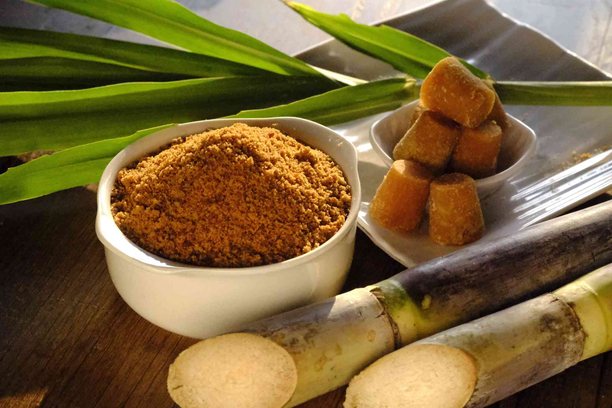
Jaggery, or as it is referred to as gur, is an integral part of Indian cuisine. It is mainly made from sugarcane juice and is prepared through a process that is much simpler than the process for making refined sugar.
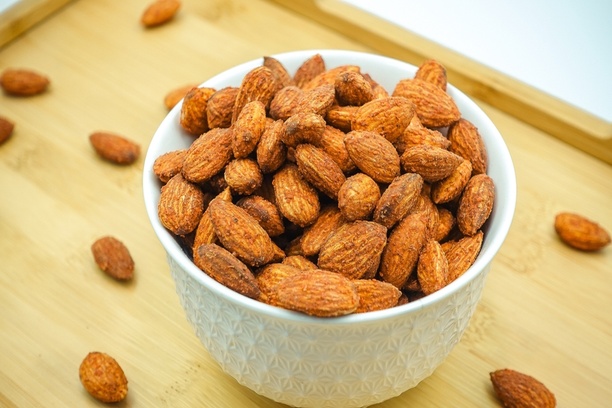
Often called “nature’s multivitamin in a shell,” almonds are one of the most studied nuts in nutrition science. With a rich profile of healthy fats, fiber, vitamins, minerals, and bioactive compounds, almonds show promise in helping prevent or mitigate several chronic diseases.
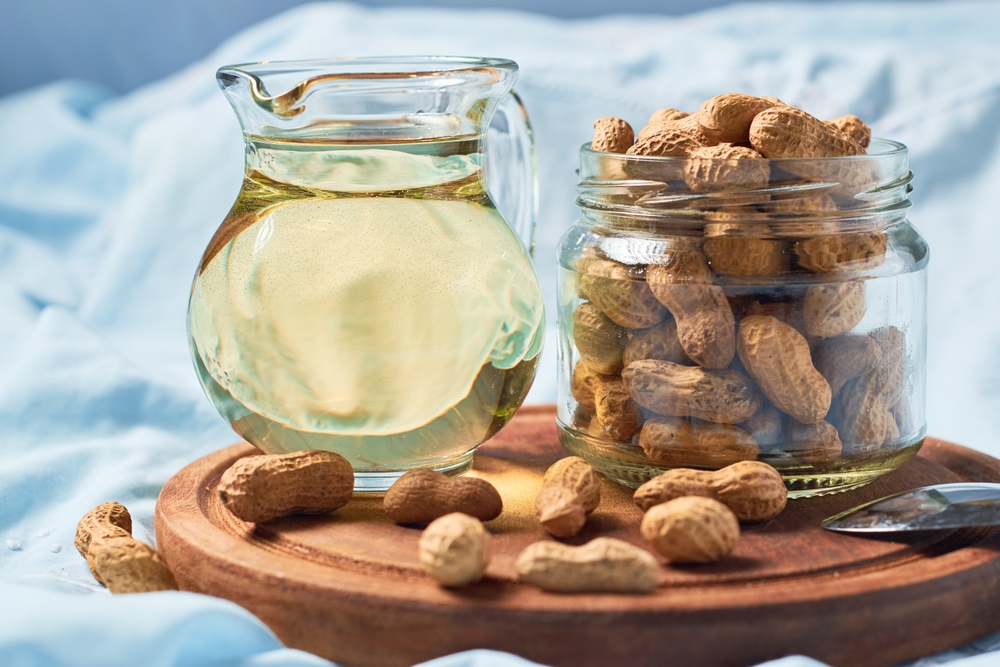
When you enter a true Indian kitchen, you can tell the oil even before you see it. The aroma lingers in the air — earthy, nutty, unmistakably familiar. That’s cold-pressed groundnut oil, one of India’s oldest cooking companions and arguably, its smartest.
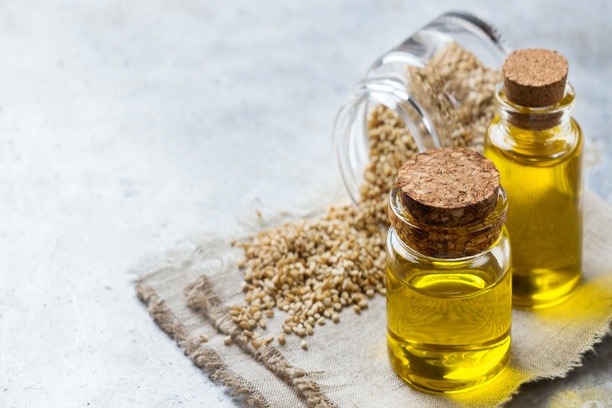
Every golden drop of sesame oil carries a secret — two mighty guardians of health called sesamol and sesamin. You may not find their names on everyday grocery labels. Yet, these natural compounds are quietly responsible for sesame oil’s reputation as one of the most powerful, antioxidant-rich oils known to humankind.
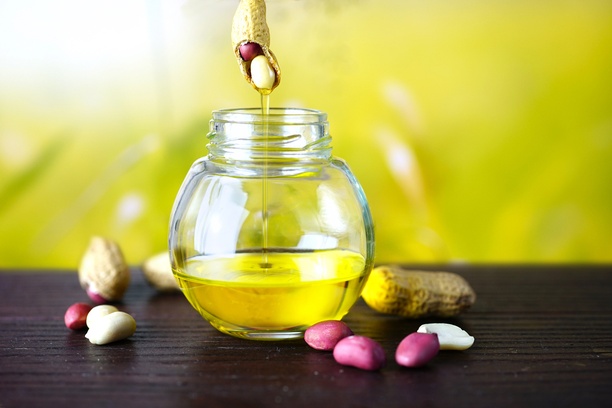
There’s a quiet brilliance hidden inside every drop of Cold-Pressed Groundnut Oil — something more than golden colour or nutty aroma. It’s the invisible protection of two powerful antioxidants that nature tucked inside every peanut kernel: Vitamin E and Resveratrol.
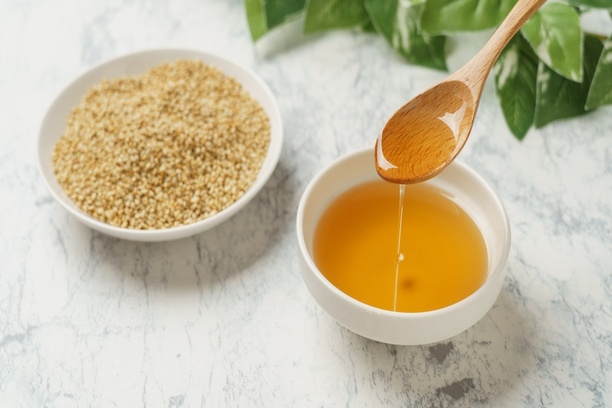
There’s something deeply nostalgic about the aroma of sesame oil sizzling in an iron kadhai. It’s not just the beginning of a recipe — it’s the start of nourishment. For centuries, Indian kitchens have trusted this golden oil for its earthy warmth and healthful richness.
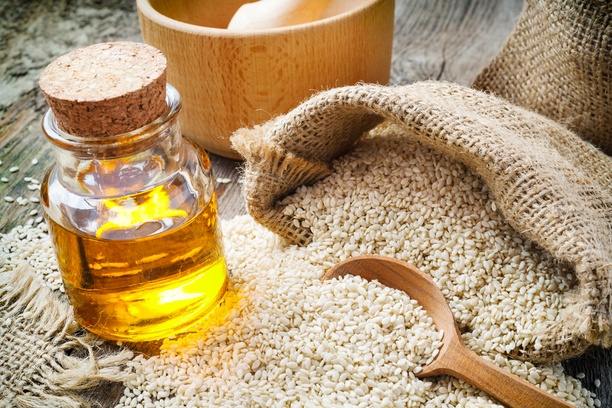
In the heart of every Indian household, there’s a simple, golden ritual that has outlived centuries — the touch of Til ka tel, or sesame oil. Warmed gently in a brass bowl, poured into cupped palms, and massaged with intention — this golden liquid is more than nourishment. It’s a conversation between body, mind, and spirit.
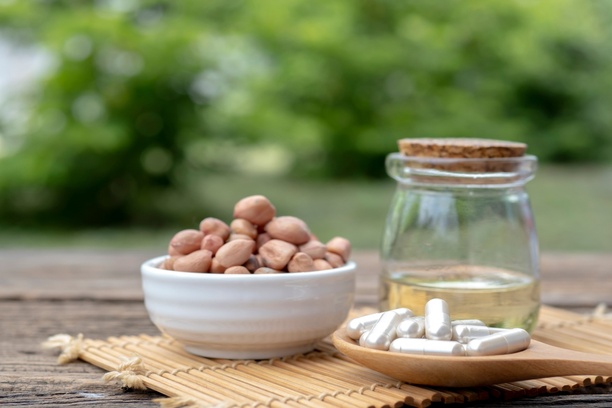
There’s a quiet revolution happening in Indian kitchens — a return to oils that care not just for taste but for the heart. Among them, one golden bottle stands out for its rich aroma and silent strength: Peanut Oil, India’s own MUFA powerhouse.
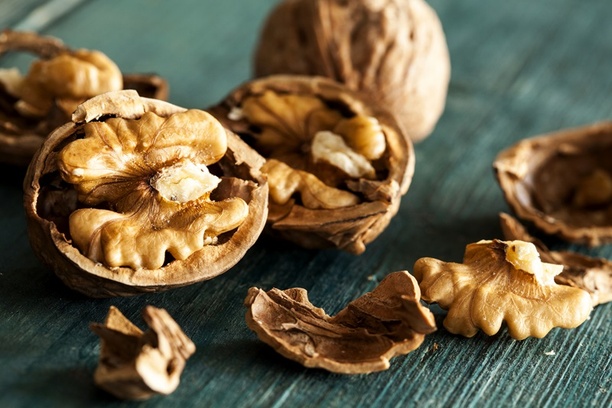
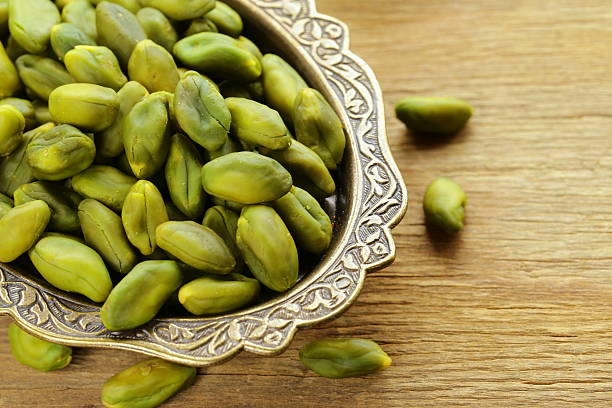
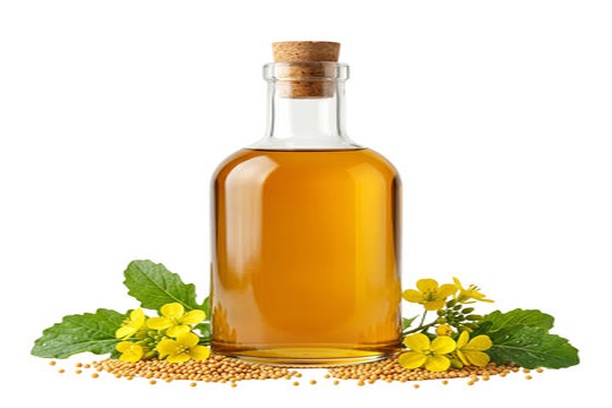
In the rustic heartlands of India, where brass pestles meet earthy seeds and mornings smell of warmth, one golden liquid has seasoned kitchens for generations — Kachchi Ghani Mustard Oil.
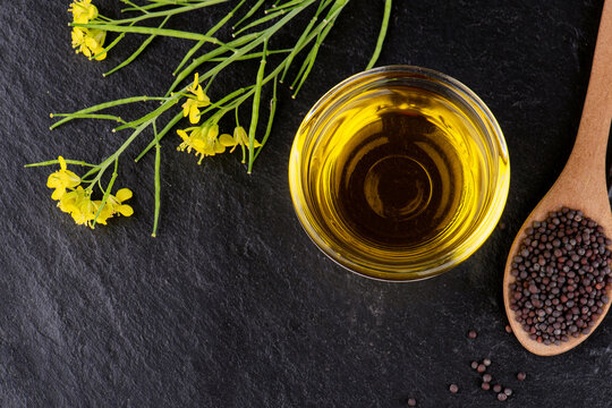
In every Indian home, the sizzling of mustard oil in an iron kadhai is more than a sound — it’s the heartbeat of health. For centuries, this golden oil has been trusted for its warmth, flavour, and healing energy. Today, modern science confirms what our ancestors always knew: mustard oil supports good cholesterol and overall heart vitality.
 App Store
 Play Store


