
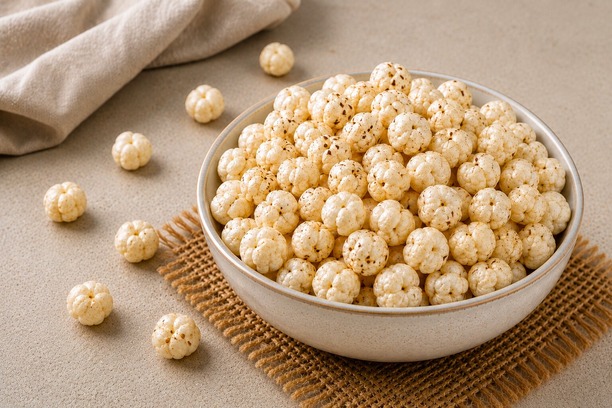
Snacking has always been an important part of Indian food culture. From namkeen with evening tea to homemade snacks during festivals, we have always enjoyed something crunchy between meals. But today's snack choices are changing. People increasingly want food that is convenient, flavorful, and made with simpler ingredients. This is where roasted makhana has found a new place in everyday life. Also known as fox nuts or lotus seeds, makhana has been a familiar ingredient in Indian kitchens for generations. Traditionally associated with fasting and festive recipes, it is now becoming a popular choice for everyday snacking.
Makhana is not a new discovery. It has long been used in Indian households for preparations such as:
What has changed is how we consume it. Instead of using makhana only as a cooking ingredient, many people now enjoy it directly as a roasted snack. Its naturally airy structure becomes light and crunchy after roasting, making it particularly enjoyable to eat by the handful.
The biggest attraction of roasted makhana is its texture . When roasted properly, makhana develops a crisp exterior while remaining light and airy. This creates a satisfying crunch without requiring a complicated preparation. The roasting process is important because:
A well-roasted makhana does not need a heavy coating to make it interesting.
Sometimes the simplest seasoning can be the most enjoyable. Himalayan pink salt gives roasted makhana a gentle savoury taste while allowing the roasted flavour of the makhana to remain noticeable. The combination is uncomplicated but satisfying.
It is worth remembering, however, that pink salt is still salt. Despite its distinctive colour and mineral content, it should be consumed in moderation as part of a balanced diet.
Makhana has a particularly strong connection with Indian fasting traditions . During vrat, people often choose ingredients that fit their customary fasting practices. Makhana is frequently roasted and seasoned simply, making it an easy option when elaborate cooking is not practical. But its usefulness does not end with fasting. Today, roasted makhana can easily fit into different parts of the day.
This flexibility is one reason makhana has moved beyond its traditional role.
Not all roasted makhana has the same texture. The roasting process needs to be carefully managed. If the makhana is not roasted enough, it can lose the crispness people expect. On the other hand, excessive roasting can affect its taste and texture. The ideal roasted makhana should be: Light + Crisp + Crunchy + Pleasantly Roasted This simple combination can turn an ordinary ingredient into a satisfying snack.
Choosing a better snack does not mean completely changing your eating habits overnight. Small changes can make everyday eating more intentional. Instead of automatically reaching for whatever is available, consider keeping a few simple snack options ready.
Modern routines leave little time for elaborate snacks. Between work meetings, commuting, household responsibilities, and travel, convenience has become an important part of food choices. Roasted makhana fits this lifestyle because it requires no cooking or complicated preparation before eating. A small serving can simply be poured into a bowl and enjoyed. Its lightweight texture also makes it easy to include in an office snack drawer, travel bag, or home pantry.
The story of makhana is an interesting example of how traditional Indian ingredients can adapt to modern lifestyles. Its connection with fasting and traditional recipes remains strong, but its role has expanded. Today, it can be found not only in festive kitchens but also in modern snack bowls, office pantries, and travel bags. The ingredient has not changed dramatically. The way we use it has.
There is no need for an elaborate recipe to appreciate roasted makhana. Its appeal comes from a few straightforward qualities:
When combined with Himalayan pink salt, the result is a straightforward savoury snack that brings together traditional ingredients and modern convenience.
From vrat thalis to office desks , makhana has travelled a long way. What was once primarily seen as a traditional ingredient is now being enjoyed in a completely different setting. Its crisp texture, simple flavour, and convenience make it suitable for today's fast-moving lifestyle while still retaining its connection with Indian food culture. Perhaps that is what makes roasted makhana interesting—not that it is a completely new food, but that a familiar ingredient has found a new way to fit into our everyday routines. The next time you are looking for something crunchy between meals, a simple bowl of roasted makhana may be worth considering.
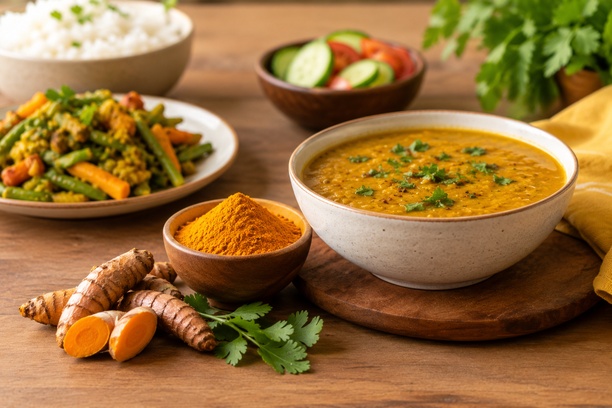
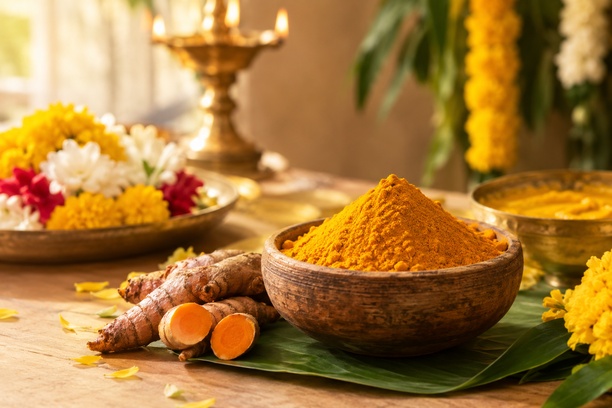
Haldi in Indian Traditions: The Golden Spice Beyond the Kitchen
September 16th, 2026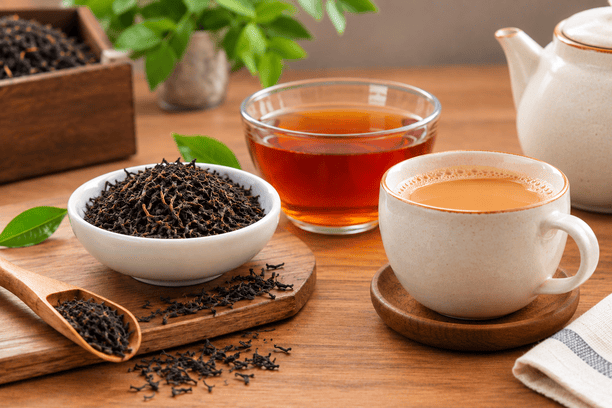
How to Check Tea Quality at Home: A Simple Guide to Better Tea
September 8th, 2026
 App Store
 Play Store