Protein is an integral component of a healthy diet. It plays a key role in helping the body to build and maintain tissues and muscles and has various health benefits. Adding protein foods to the daily Indian diet is easy and cheap and can be very tasty too. There are lots of protein foods that are easily available to you that will help you to add more proteins to your diet.
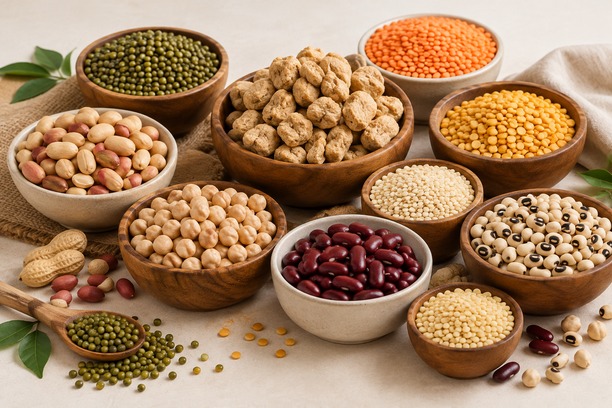
Pulses play an essential role in the Indian culinary traditions and are included in numerous dishes. Moong dal, masoor dal, chana dal, and urad dal contain plant-based protein, dietary fiber, and other useful nutrients. Each type of pulse has a unique flavor and texture, which makes them suitable for various dishes. Moong dal is used to prepare khichdi and cheela, masoor dal is suitable for ordinary curries, chana dal is used in dals and snacks, while urad dal is perfect for idli, dosa, and dal makhani dishes. Thus, the inclusion of various pulses during the week is an easy way to diversify and enrich the diet.
Peanuts form an essential part of Indian recipes. Peanuts provide proteins, good fats, and many other nutrients and hence help in the formation of a healthy diet. Roasted peanuts can be used as snacks, crushed peanuts can be sprinkled on poha or upma, and peanuts can be used in chutneys and even snacks. With their delicious taste and crispy texture, peanuts are ideal for snacking and for food preparations. As peanuts are high in calories, it is always better to consume them in moderation.
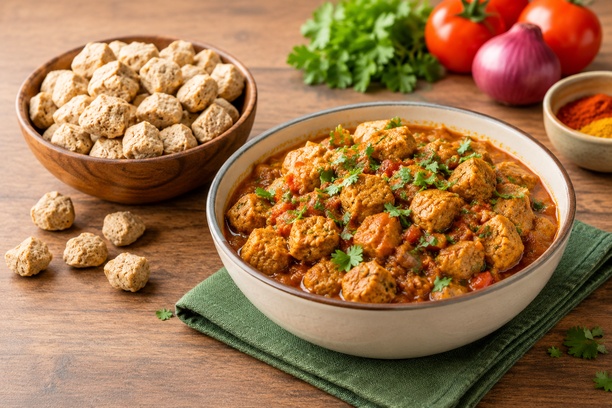
Soya chunks are used extensively by vegetarians for the intake of proteins and also due to their versatility. They take on the taste of different foods easily and can also be used in a number of Indian dishes. Some dishes that you can make using soya chunks include soya chunk curry, veg pulao, biryani, dry masala soya, and stuffed parathas. The soya chunks should be soaked and boiled based on the instructions available on the packet before they are cooked.
Apart from pulses, peanuts, and soya chunks, there are many more foods that can provide you with protein for your day. Various types of legumes like chickpeas, kidney beans, black-eyed peas, roasted chana, among others, are not only varied in their flavor and nutrients but also provide a good source of protein. Chickpeas can be used in preparations of chole and salads, while kidney beans are consumed with rice. Roasted chana is an easily available snack food, and beans can be added in curries and mixed vegetables.
Having food items that are high in proteins is not complicated at all. You just have to make slight adjustments in your daily life.
Combining pulses and legumes with grains, vegetables, and other nutritious ingredients helps create varied and satisfying meals.
When purchasing pulses, peanuts, and soy products, always look out for their packaging, the list of ingredients, and the expiry date. Select food products that have been adequately packed and do not show any traces of moisture. Dry foods should be stored in clean and well-sealed containers in a cool, dry place. Avoid exposing them to moisture, heat, and light. It is advisable to always adhere to the directions given on how to store food on the packaging.
Pulse, peanuts, soya chunks, chick peas, and beans are commonly used foods that provide various possibilities for including plant proteins in regular Indian diets. From a tasty cup of dal to a delicious soya curry or roasted nuts, healthy food can be both convenient and tasty. What one needs to do is to include a diversity of foods in their diet, eat in moderation, and use foods that you like the most. With a proper diet planning, it becomes possible to easily add protein-containing foods to your daily routine.
Haldi in Indian Traditions: The Golden Spice Beyond the Kitchen
September 16th, 2026
How to Check Tea Quality at Home: A Simple Guide to Better Tea
September 8th, 2026
 App Store
 Play Store