
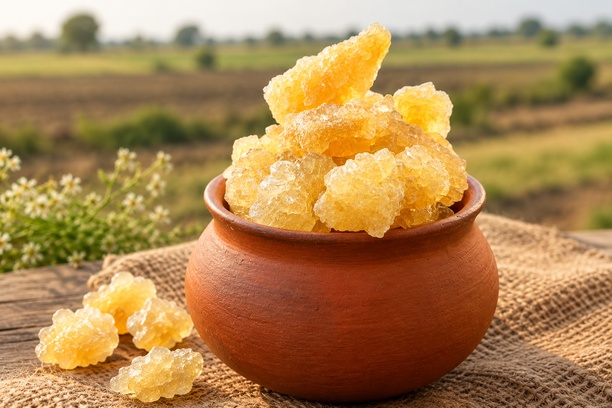
In Indian households, there are some foods which have a lot more significance than just being food items. This is because they are rich in tradition, memories, and stories which get carried over the generations. Mishri is a sweet that has been traditionally enjoyed by people all over India. This sweet is known for its fine crystals and taste. Mishri is a sweet associated with festivals, Puja, hospitality, and traditional food items.
The usage of mishri has been traditionally associated with rituals and happy occasions. It is usually presented as prasad during rituals and festivals when the sweetness symbolizes happiness and positivity. It is also traditionally shared with family and friends during happy occasions.
The custom of offering sweets is one of the traditions that have continued to be part of Indian culture, and mishri certainly fits here.
Contrary to powdered sugar, mishri is identified by the larger and crystalline nature of its composition. Its crystals make it look and feel differently when compared to other types of sugar. Mishri sugar is produced using a crystallization method whereby sugar is allowed to form crystals.
Mishri Dhaga, also referred to as Dhaga Mishri, is a particular type of mishri that has a special threadlike crystal formation. The term “Dhaga” describes the fine threadlike structure of the crystals. The development of the crystals occurs through a process of gradual crystallization.
Name of the traditional confection is derived from its look:
This traditional form continues to be appreciated for both its appearance and its familiar sweetness.
Apart from its religious uses, mishri is also known for its traditional use as a simple sweetener after food in Indian homes. Another common mixture of mishri is mishri and fennel seeds, which is a common dish that is consumed after meals in traditional Indian homes and restaurants. Mishri can also be used for many other purposes:
These simple uses have helped mishri remain familiar across generations.
In Indian culture, sweetness has a symbolic meaning. When something important happens, offering or sharing something sweet is often considered a way of expressing happiness and goodwill. This tradition can be seen during:
Mishri represents this idea of sweetness in a particularly simple form. A few crystals can become part of a larger cultural gesture—sharing happiness with others.
Mishri has been used in connection with puja and offerings for years now. Its taste of sweetness has made it an inevitable ingredient for prasad in most houses. Prasad is offered to family and guests after performing prayers or rituals. This gives a simple ingredient an altogether new meaning. Many people associate their childhood memories and festivities with the giving of prasad in the form of mishri.
The popularity of mishri is not only about its sweetness. Its continued presence in Indian homes reflects the importance of traditional ingredients in everyday life. From a small bowl kept for puja to a few crystals served after a meal, mishri has found its way into many familiar moments.
There are numerous options when it comes to sugar in the modern kitchen, but still, there is a space for the use of classic products like mishri. Being related to prasad, holidays, traditions, and customs, it becomes more than a sweetener for modern people. This item can be considered a kind of connection between the modern family and the customs of the preceding generations. Mishri proves that sometimes, it is the simplest product that carries the biggest amount of meaning.
Haldi in Indian Traditions: The Golden Spice Beyond the Kitchen
September 16th, 2026
How to Check Tea Quality at Home: A Simple Guide to Better Tea
September 8th, 2026
Health & Nutritional Benefits of Hing: Why This Traditional Spice Still Matters
September 3rd, 2026 App Store
 Play Store