
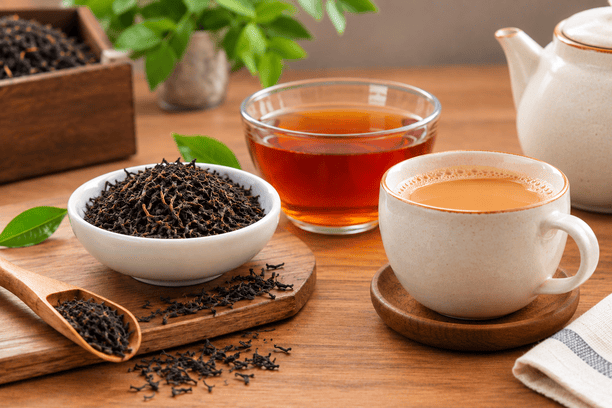
A good cup of tea begins long before the water reaches a boil. The quality of the tea leaves plays an important role in determining the color, aroma, flavor and overall experience of your cup.
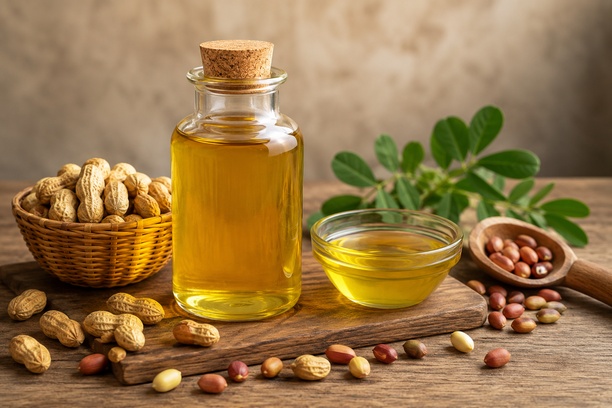
Groundnut oil has been a part of Indian households for decades. The natural fragrance, flavor, and utility of groundnut oil make it appropriate for use in the preparation of sabzi and daal to frying and sautéing. However, there are so many cooking oils available today that it might become difficult to discern the quality of groundnut oil.
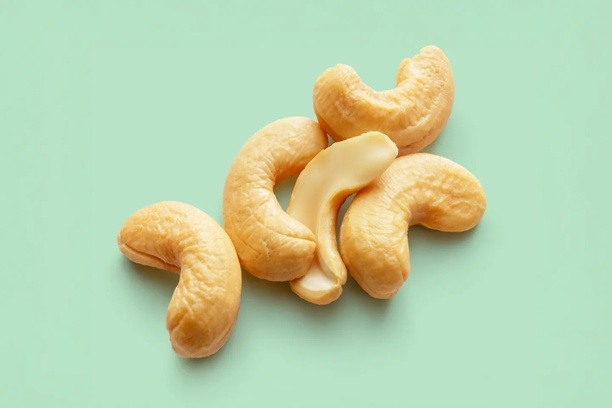
Cashews are renowned for their creamy texture, crunchy flavor, and naturally tasty flavors. However, when purchasing cashew nuts, what are the criteria by which you could distinguish high-quality from lower-quality cashew nuts? Contrary to other types of food, there is no home test by which you could establish whether your cashew nut is an “original.” There are, however, a number of ways through which you could detect your cashew nuts. Here is a simple Pavitra Test for identifying cashews.
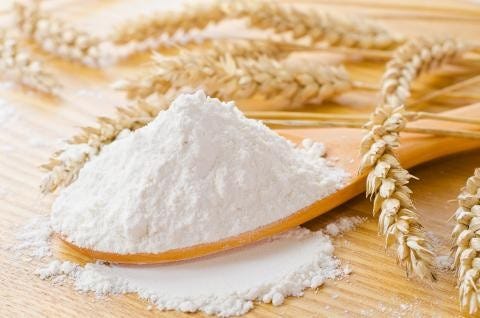
We know that in today’s world trust has to be built. That’s why we want to share a few simple, at-home purity tests — all done with items you probably already have in your kitchen — so you can see for yourself why our wheat is so unique.
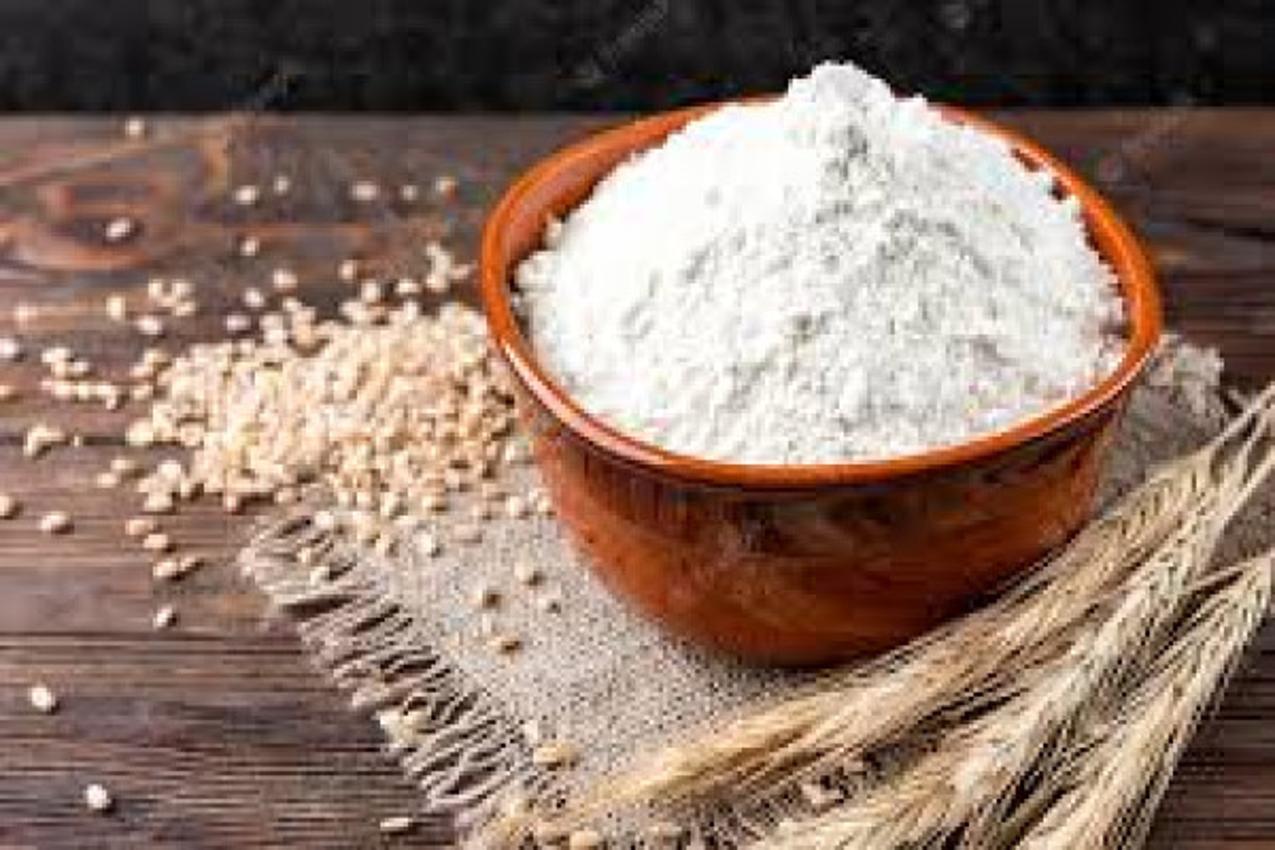
When it comes to something as essential as atta, trust and purity matter the most. While packaging and branding can promise quality, the real test lies in your own kitchen. With a few simple checks—using your senses of sight, smell, touch, and taste—you can easily judge whether your chakki atta is truly authentic and wholesome.
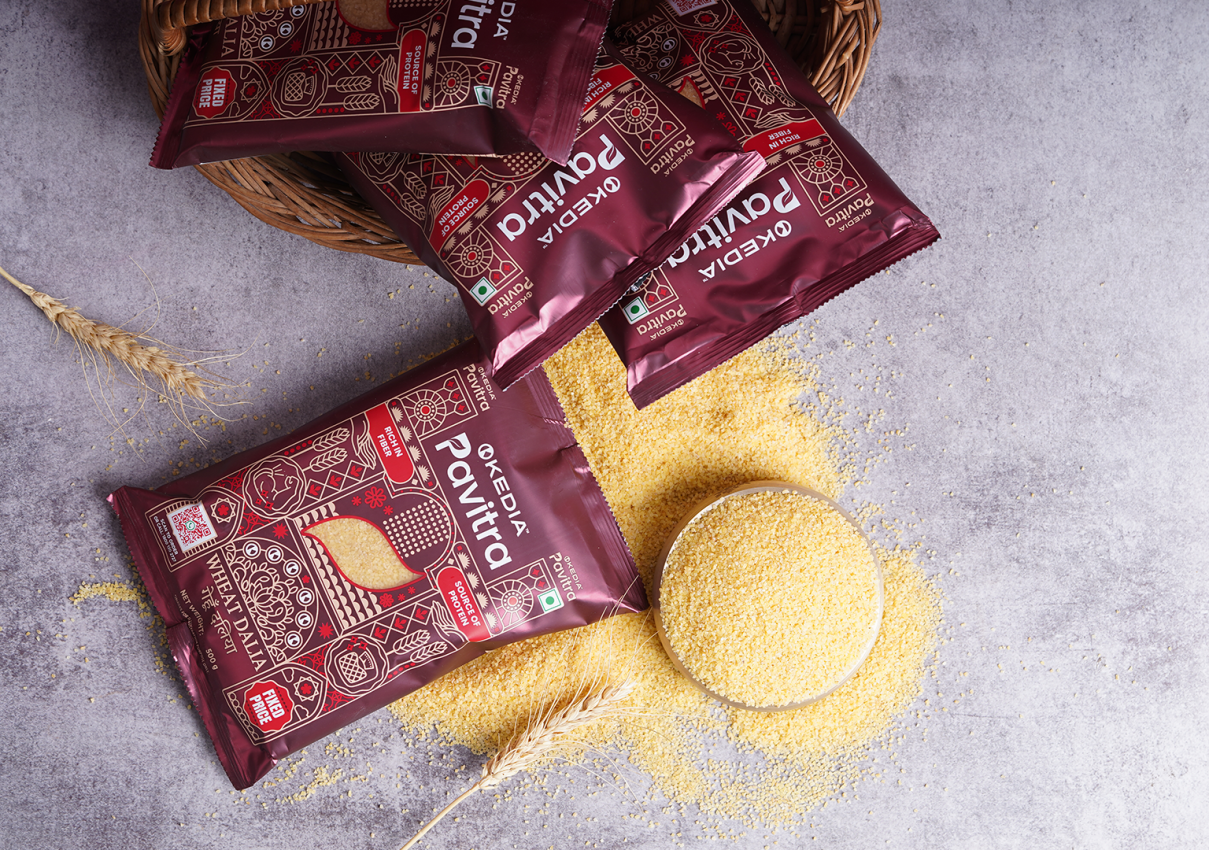
In today’s world, trust is earned — so here are simple, traditional tests you can do to ensure your dalia is as pure and wholesome as it should be:
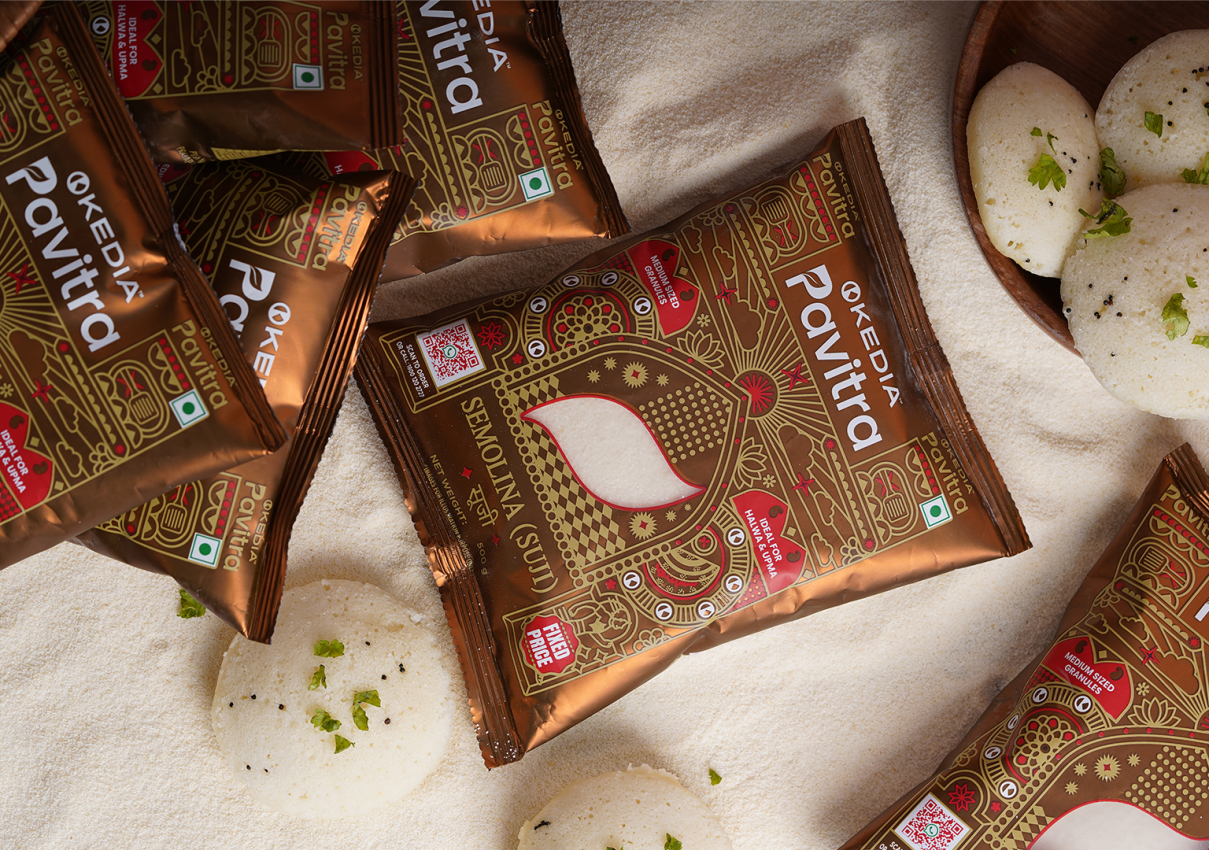
In a world where adulteration is common, Kedia Pavitra invites you to try simple home tests to verify the purity of your Sooji:
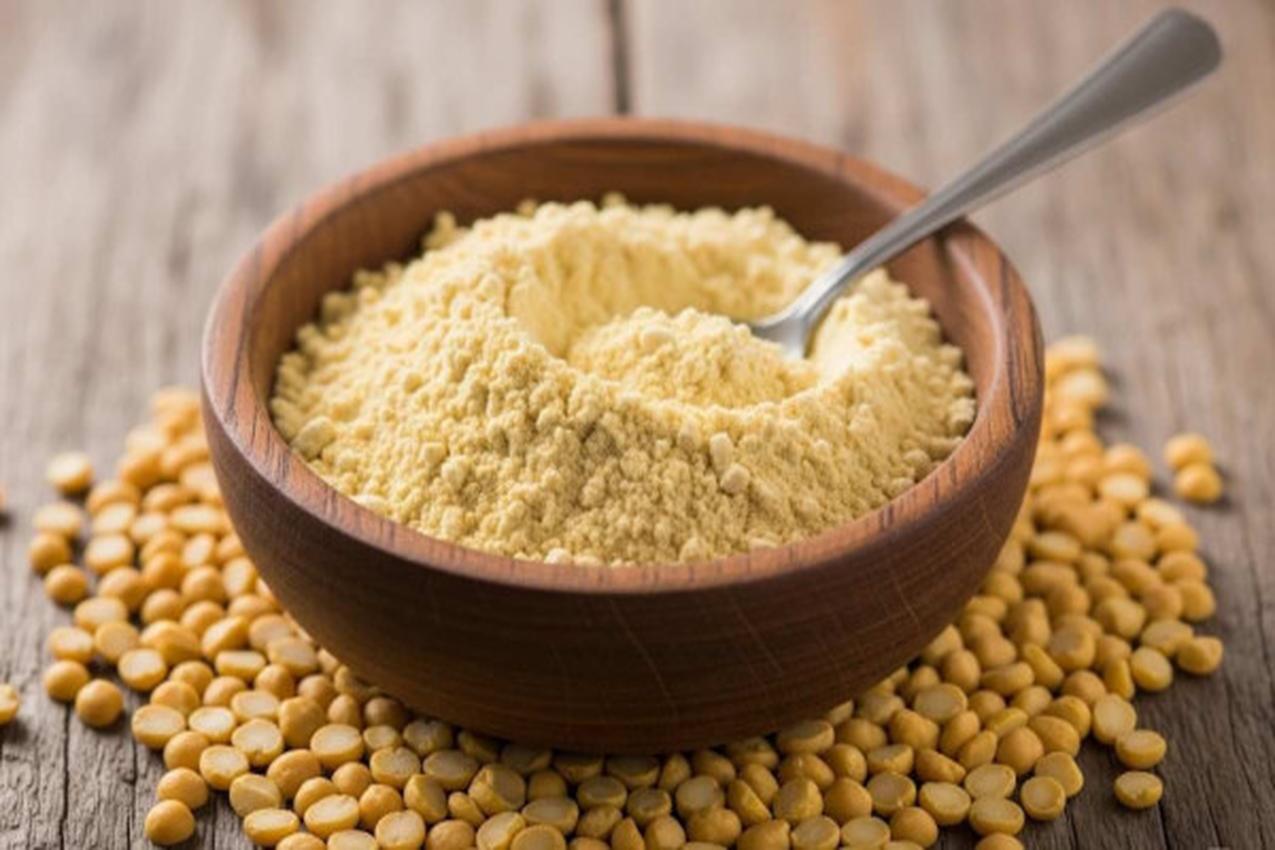
In today’s market, purity is paramount. Here are easy tests you can do at home to ensure your Besan is authentic and of top quality:
 App Store
 Play Store