Cashews are renowned for their creamy texture, crunchy flavor, and naturally tasty flavors. However, when purchasing cashew nuts, what are the criteria by which you could distinguish high-quality from lower-quality cashew nuts? Contrary to other types of food, there is no home test by which you could establish whether your cashew nut is an “original.” There are, however, a number of ways through which you could detect your cashew nuts. Here is a simple Pavitra Test for identifying cashews.
1. Look at the Colour
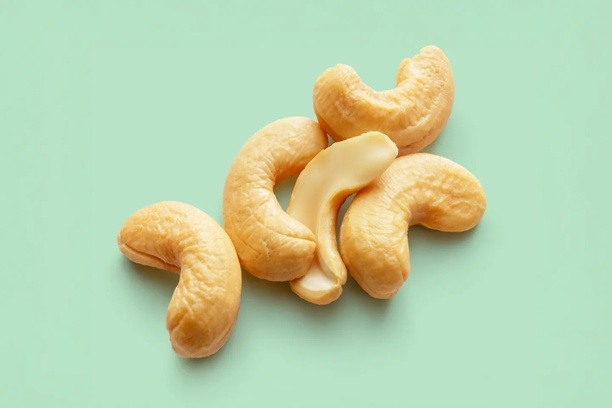
Good quality cashew kernels usually possess a natural creamy or ivory colour. Slight differences in colour among kernels is quite common. Beware of overly darkened, unusual black spots, discoloration and/or greasy kernels. According to food quality standards, cashew kernels must be clean, well developed and dry, and free from mold, insect infestation, rancidity and foreign materials. Pavitra Test: Select naturally colored kernels without any suspicious stains, molds or discoloration.
2. Check the Shape and Size
The cashew kernel should also have a characteristic kidney-shaped appearance. There are other grades of cashews based on their size and appearance. But, size alone cannot guarantee the purity of cashews—size is not synonymous with freshness and quality. For instance, W180 is one of the commercially graded cashews that relate to large-sized whole kernels. In addition, what is important is the cleanliness and freedom from defects of the kernels. Pavitra Test: Focus on the quality of the whole kernels.
3. Give Them the Smell Test
Fresh cashew nuts have a slightly nutty fragrance. One of the simplest methods to identify spoilage is through smell. Cashew nuts contain fats which tend to spoil when they are subjected to poor environmental conditions like oxygen, heat, and moisture. The odor is either very sharp, stinky, chemical, or sour and may even smell of paint. The quality standards of foods state that cashew kernels should not have any other odors. Pavitra Test: The smell of fresh cashews should be clean, natural and not sharp, sour or stale.
4. Feel the Texture
Good cashews must be dry and firm and not moist or sticky. Moisture may have an adverse effect on quality as well as storage. When one bites into a good cashew, there is an enjoyable crunch and then the creamy and buttery flavor. When cashew becomes stale or has been stored under improper conditions, its flavor will be soft and unpleasant. Pavitra Test: Good cashews are firm, crunchy on the outside, and naturally creamy on the inside.
5. Taste a Small Piece
The taste may provide information about something that the appearance doesn't show. Good cashews should be mild in taste, with natural sweetness and nutty flavor. In case there is a pronounced bitter, sour, old, or oily taste, the cashew may be of poor quality. Stop consumption of any product with an unusual taste and smell. It is known as rancidity and it is associated with unusual taste and smell.
6. Check the Packaging
Not only the nut itself determines the quality, but the method of its protection too. Find out the presence of sealed and hygienic packing, an ingredient list, batch number, dates, and proper storage conditions. A good package will protect the nuts from oxygen and moisture, which affect their quality.
The Pavitra Test in One Look
Pure Quality Is More Than Appearance
The ideal manner to assess cashews is through more than just one home test as it is often shared via social media. In fact, freshness, cleanliness, adequate processing, sorting, testing, and hygienic packing are some of the factors which can lead to good cashews. Therefore, the next time you purchase cashews, be sure to observe, smell, touch, and even taste them for yourself. Such an easy practice can guide you into picking out cashews that not only taste great but are also clean and fresh.
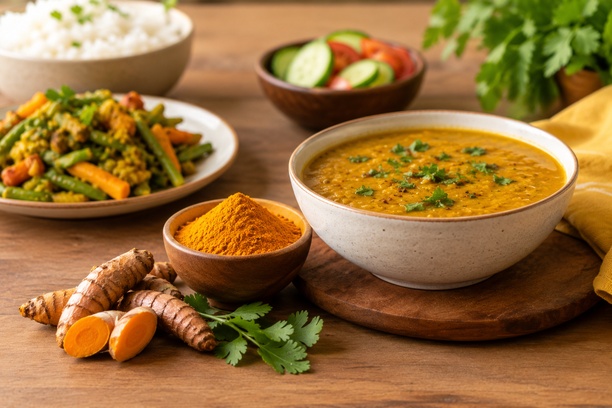
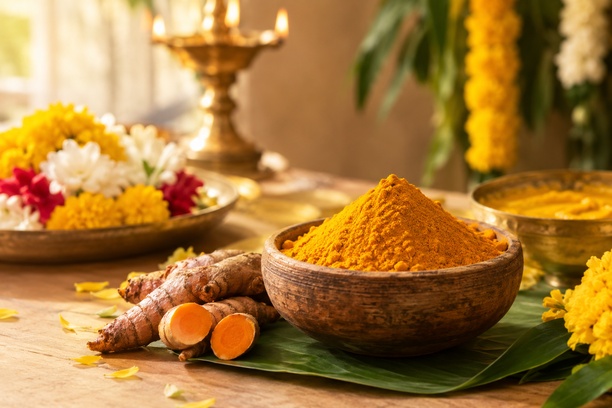
Haldi in Indian Traditions: The Golden Spice Beyond the Kitchen
September 16th, 2026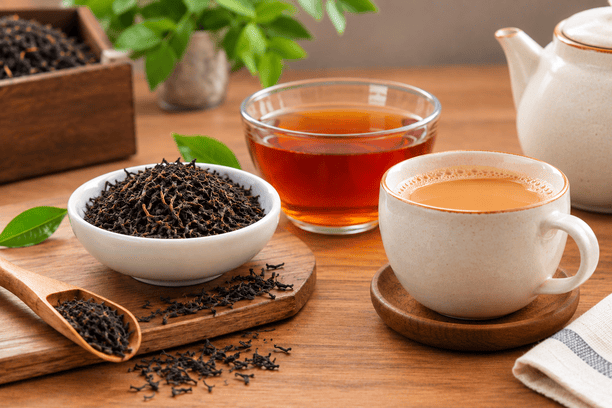
How to Check Tea Quality at Home: A Simple Guide to Better Tea
September 8th, 2026 App Store
 Play Store