
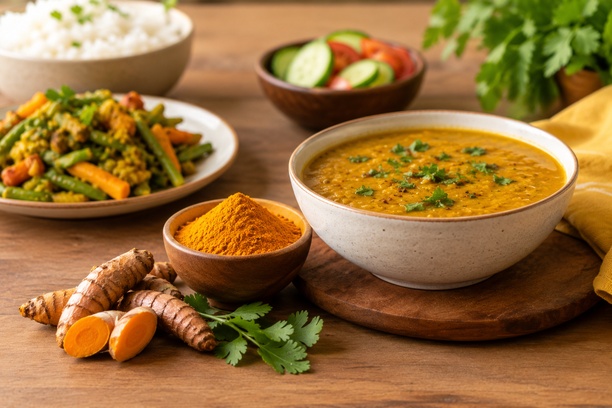
Turmeric has a permanent place in many Indian kitchens. A small pinch can turn a simple dal golden, add warmth to vegetables, and bring its familiar earthy aroma to countless everyday dishes.
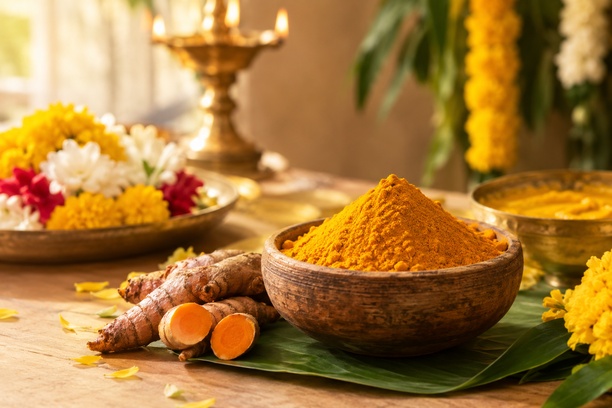
Long before turmeric became a popular ingredient in modern wellness routines, it had already found a special place in Indian homes, celebrations, and traditions.
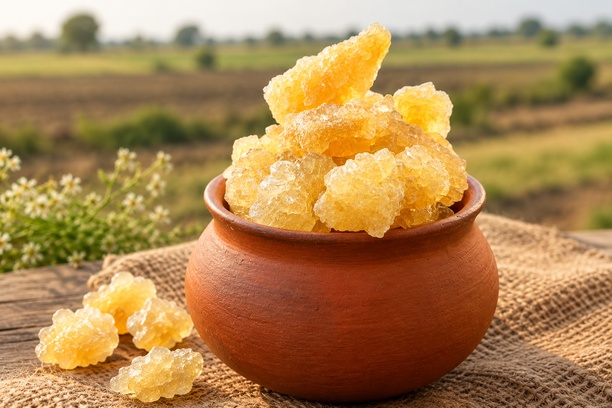
In Indian households, some ingredients are more than just food. They carry traditions, memories, and stories passed down through generations. Mishri is one such traditional sweet that has held a special place in Indian culture for centuries.
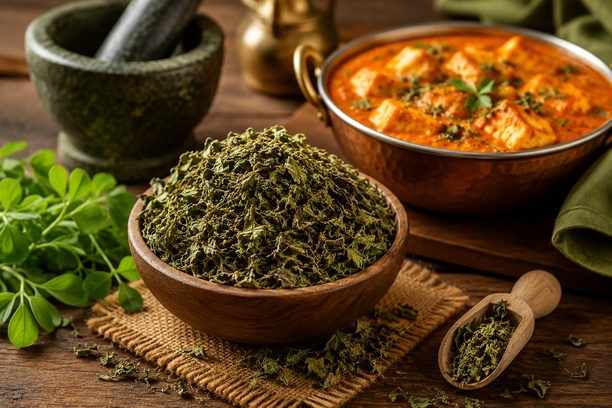
The Indian cuisine is rich with ingredients that not only have an exquisite taste but also have their own memories, folklore, seasonal cooking and much more.
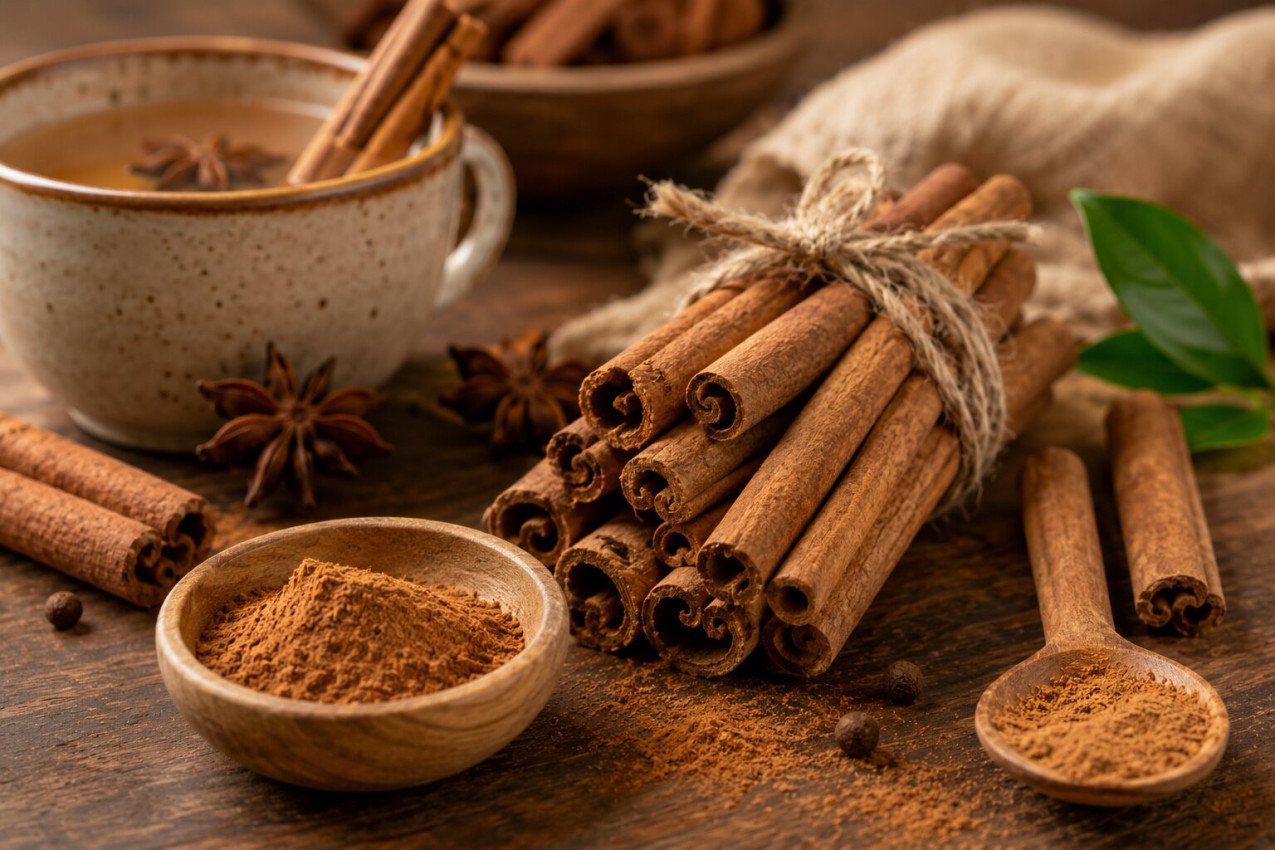
Cinnamon, or dalchini, is one of the most familiar spices in Indian kitchens. Its warm aroma and mildly sweet flavor can make even a simple dish smell and taste special. From a hot cup of masala chai to pulao, biryani, desserts and baked foods, cinnamon is used in many different ways.
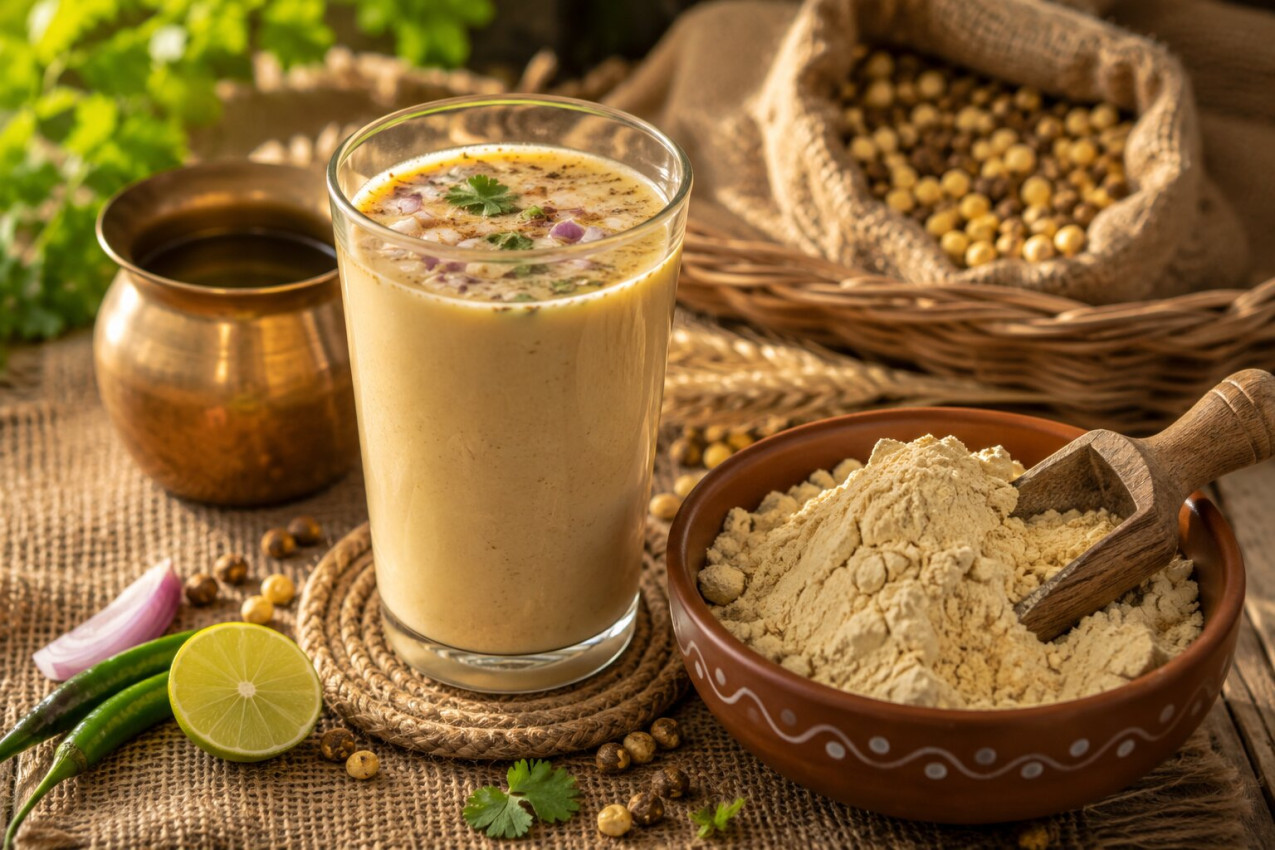
On a hot summer afternoon, when the sun is at its strongest, few traditional foods feel as comforting as a cool glass of sattu. Simple, rustic and deeply connected with everyday Indian life, sattu has been enjoyed for generations.
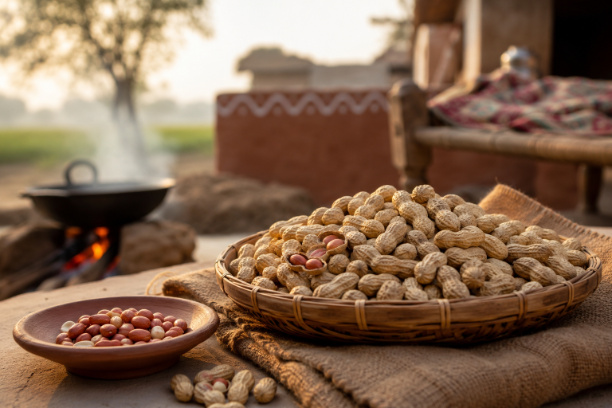
Sardi ki halki dhoop, angan mein bichhi charpai aur haath mein garam-garam moongfali — yeh scene India ke kai gharon aur gaon ki purani yaadon ka hissa raha hai. Moongfali sirf ek simple snack nahi, balki desi zindagi ke un chhote moments se judi hai jahan log khane ke bahane saath baithte, baatein karte aur waqt bitate the.
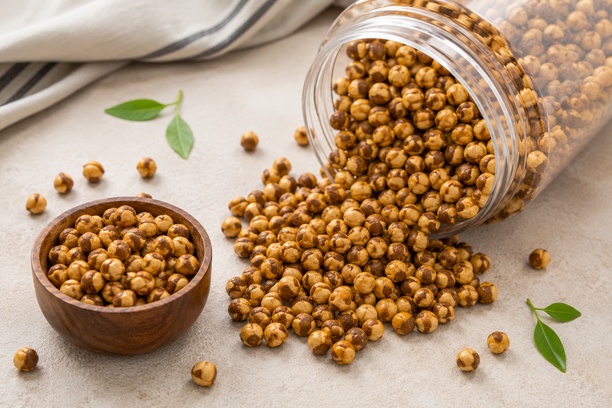
Speaking about the need to choose a snack which is not only tasty but nutritious at the same time, roasted chana turns out to be a simple and traditional option, which should become a part of the daily nutrition of all people. Roasted chana consists of chickpeas and is prepared in order to get crunchy texture naturally.
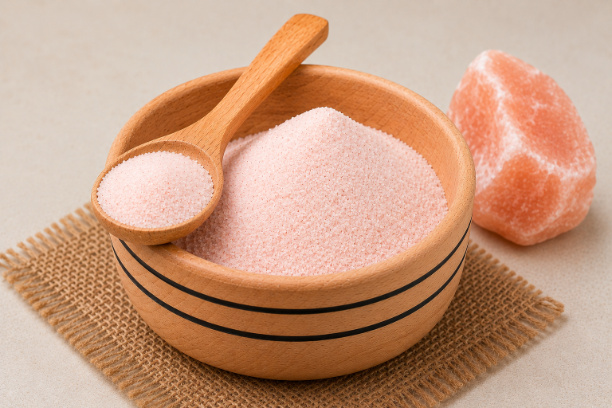
Whereas for many individuals, salt may simply be an ordinary ingredient in their cooking, in India, it is more than just that. Salt is an important ingredient in all types of cooking practices that take place in the Indian kitchen. From all the different types of salt that are traditionally used, sendha namak, or rock salt, takes precedence.
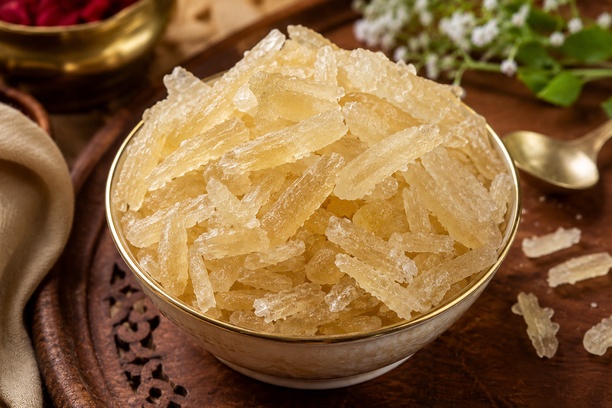
Mishri Dhaga is a natural Indian sweetening agent known for its distinct crystal strands, subtle sweetness, and multiplicity of applications. As opposed to regular sugar, the bigger crystals of Mishri are what give it its unique texture and popularity as a dessert sweetening ingredient in post-meal occasions, mixing into drinks, and special ceremonies.
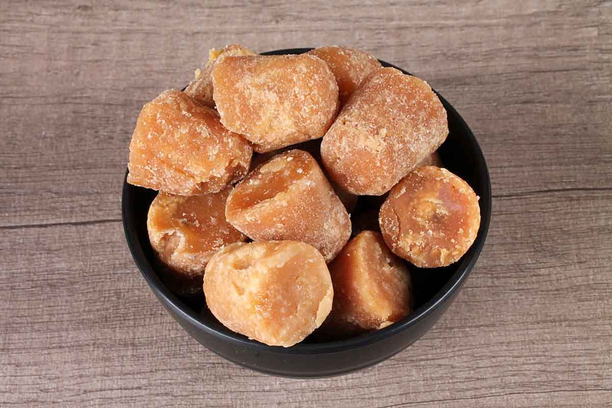
Gur or jaggery is one of the most common forms of traditional sugar used in Indian households. Jaggery has a unique golden or dark brown colour due to its preparation through sugarcane juice concentration.
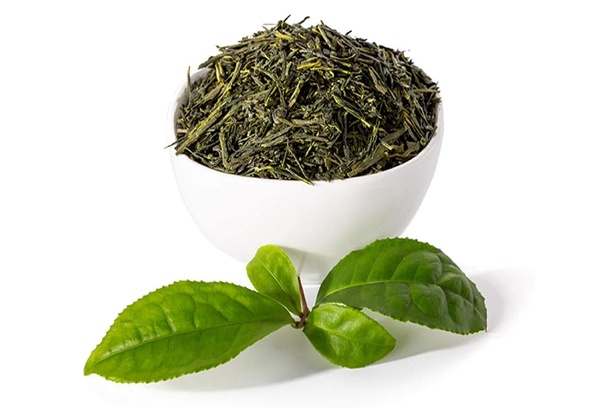
Tea is an integral part of our daily routine. For most individuals, the morning starts off with a cup of tea, whereas evenings are spent relaxing with a cool glass of tea with their loved ones. Tea is much more than just a drink, thanks to its unique taste and aroma.
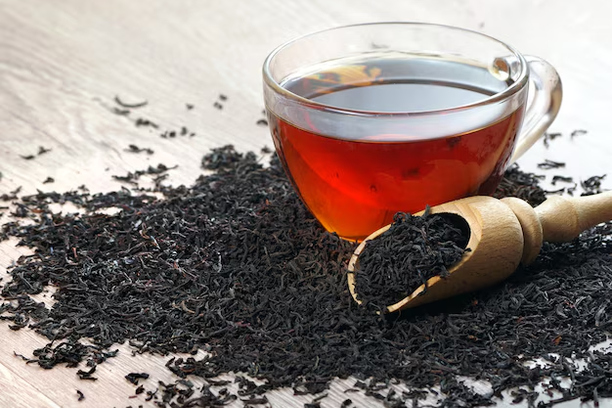
Tea is not only a drink but also a comforting ritual for social gathering. Starting from early morning tea to tea time at the end of the day, tea comes in various ways like milk tea, black tea, and even masala chai.
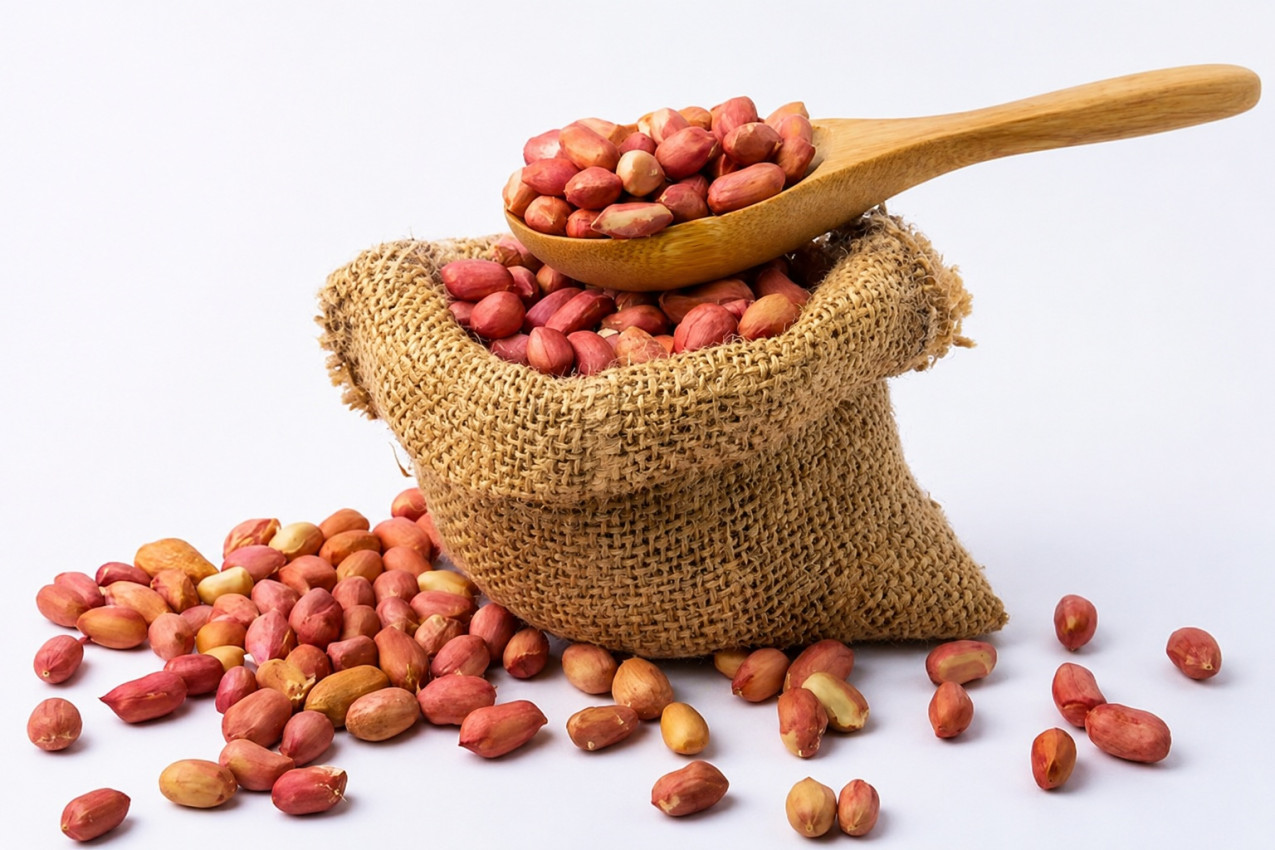
Groundnuts or moongfali are a very nutritious element that has found its way into the kitchens of India for a long time now. These nuts have the natural flavor of being rich and nutty with a crunch to it; hence, these nuts can be utilized in making a variety of foods.
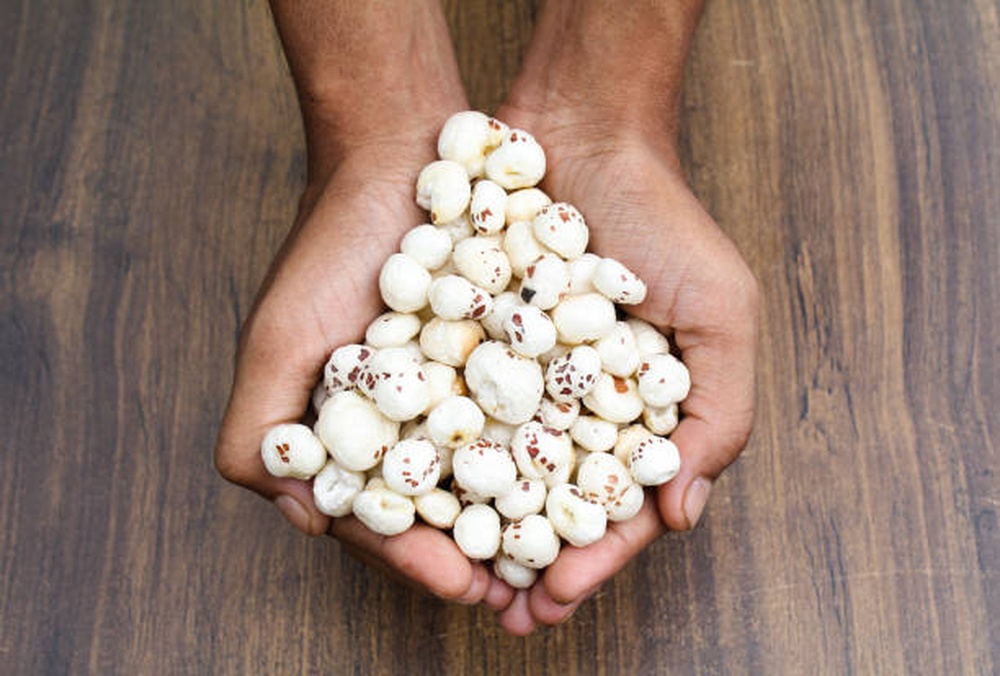
Makhana, which is also called fox nuts or lotus seeds, is an ingredient that has always been dear to Indian food culture. Whether it was being used in fasting dishes, festivals or even in snacks, the crunchy and light ingredient has been used by households all over India. In modern times, makhana is gaining more and more recognition as a wholesome snack.

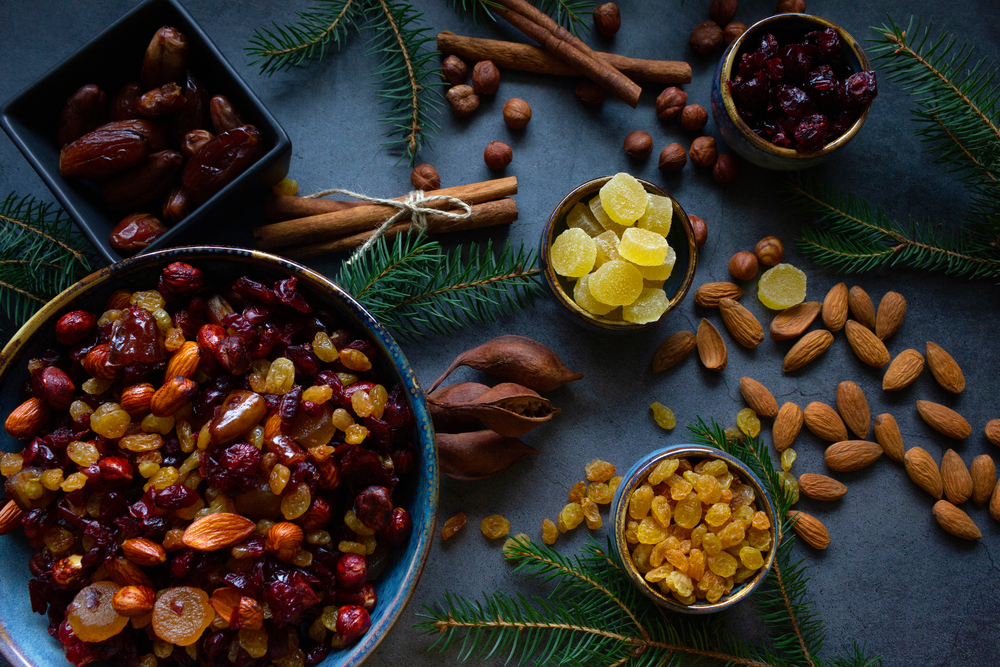
In India, gifts often speak where words cannot. When you present a basket of dry fruits, you’re not just offering taste — you’re offering togetherness, health, and heartfelt blessings.
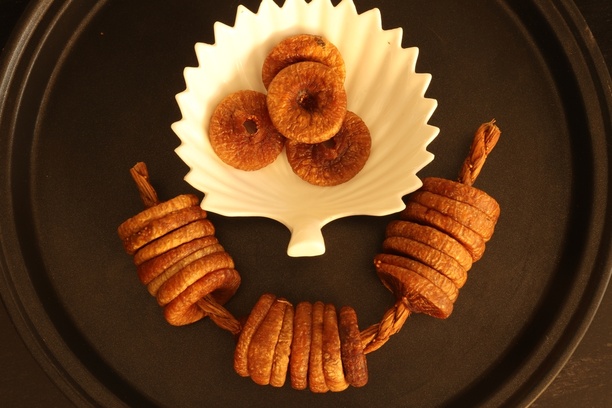
Every temple prasad tells a story — of devotion, purity, and balance. Among sacred fruits, anjeer (fig) holds a quiet yet powerful place. Its honey-sweet flesh and seed-filled heart have adorned thalis, offerings, and fast-day platters for centuries.
Long before modern nutrition began analysing fats and metabolism, Ayurveda had already classified foods based on energy and elemental qualities — guna and dosha. Among the oils revered for their vitality stood one golden, aromatic constant: mustard oil, or Sarshapa Taila.
 App Store
 Play Store


