
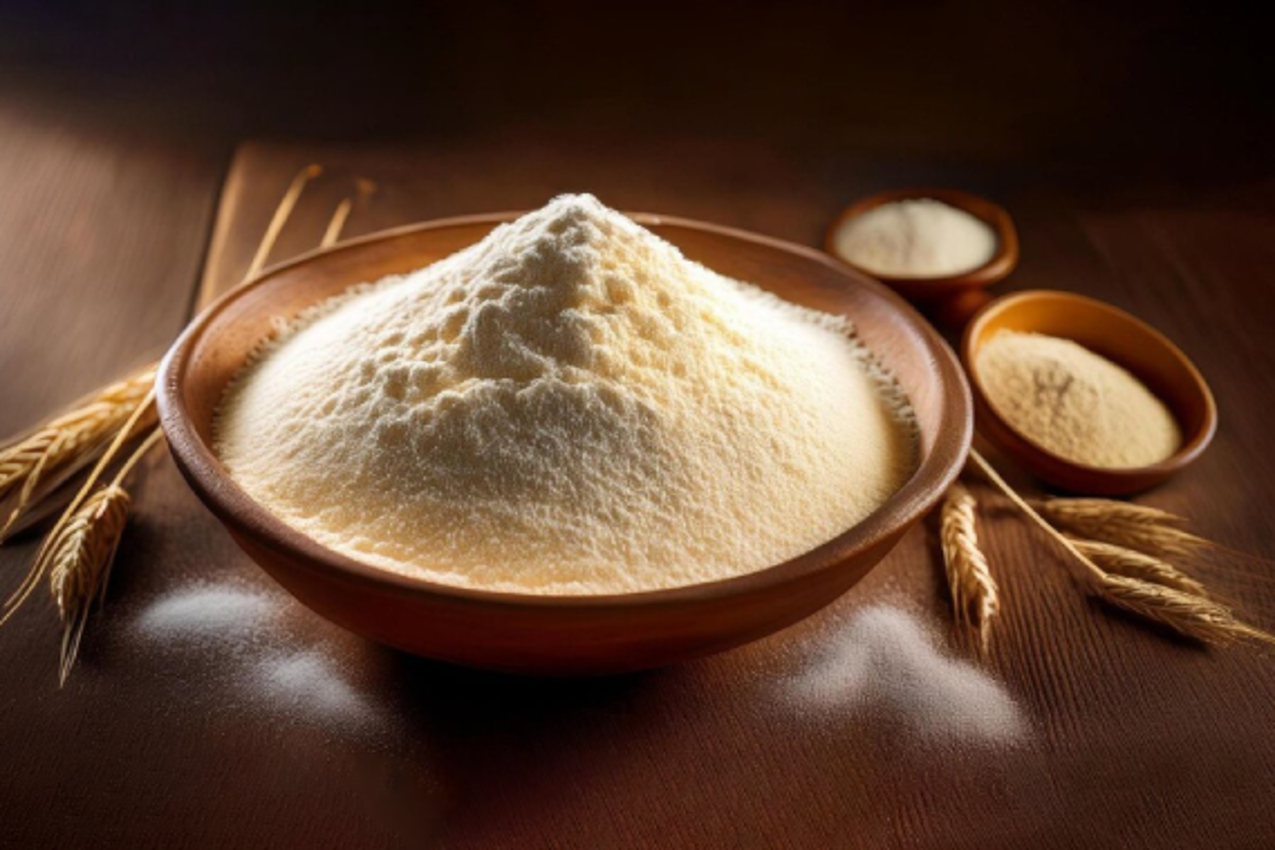
Hey, what prasad will be made today?” A small voice echoed in the temple courtyard. “Son, today is Hanuman ji’s day. We make suji halwa—it’s his favorite… and beloved by all devotees too.” The ghee began to heat, and with the clink of the spoon, the suji was roasted.
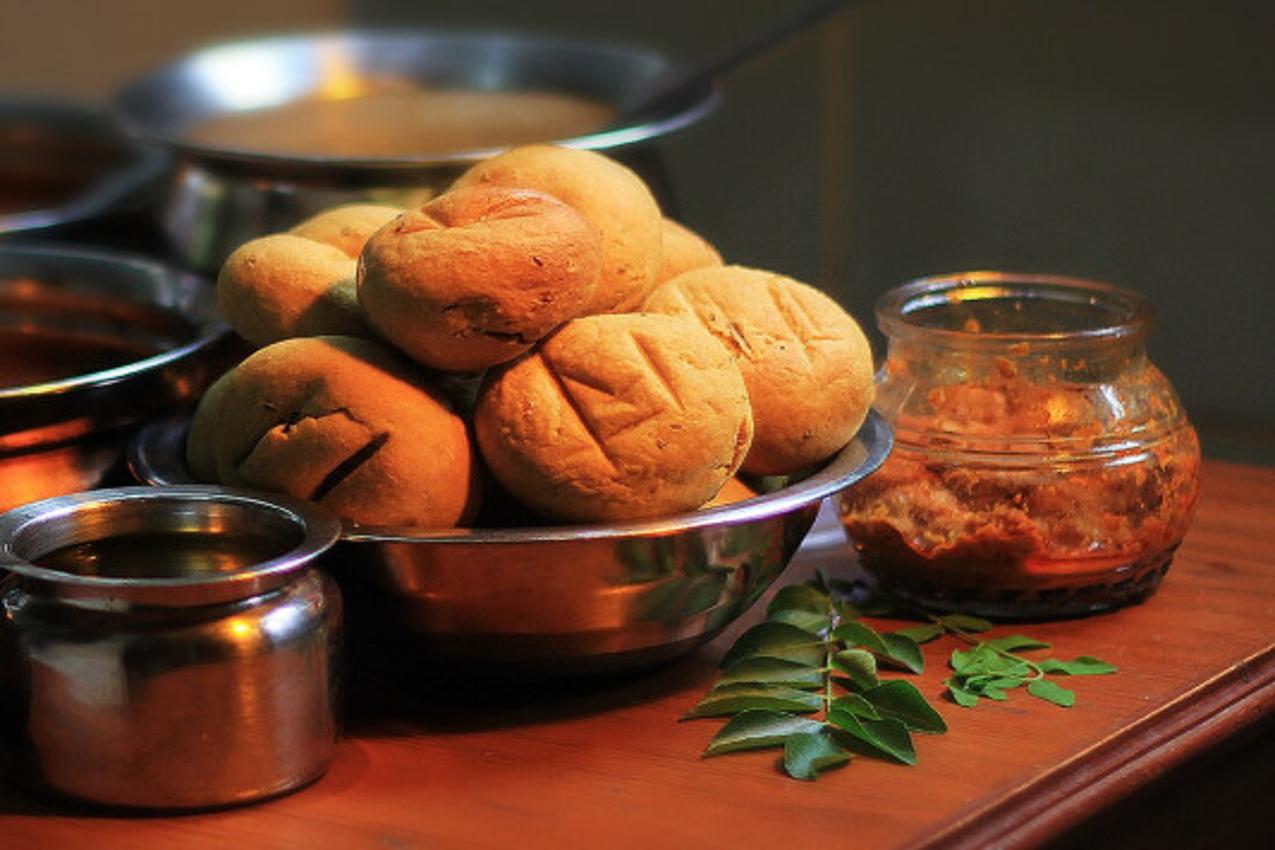
The Rajput warriors lived on the creed of courage and plainness, long, long ago, when the desert winds of Rajasthan had spread the songs of valour and the golden sands stretched as far as the eye could see. They not only fought with swords, but also with hunger, thirst, and the unkind sun.
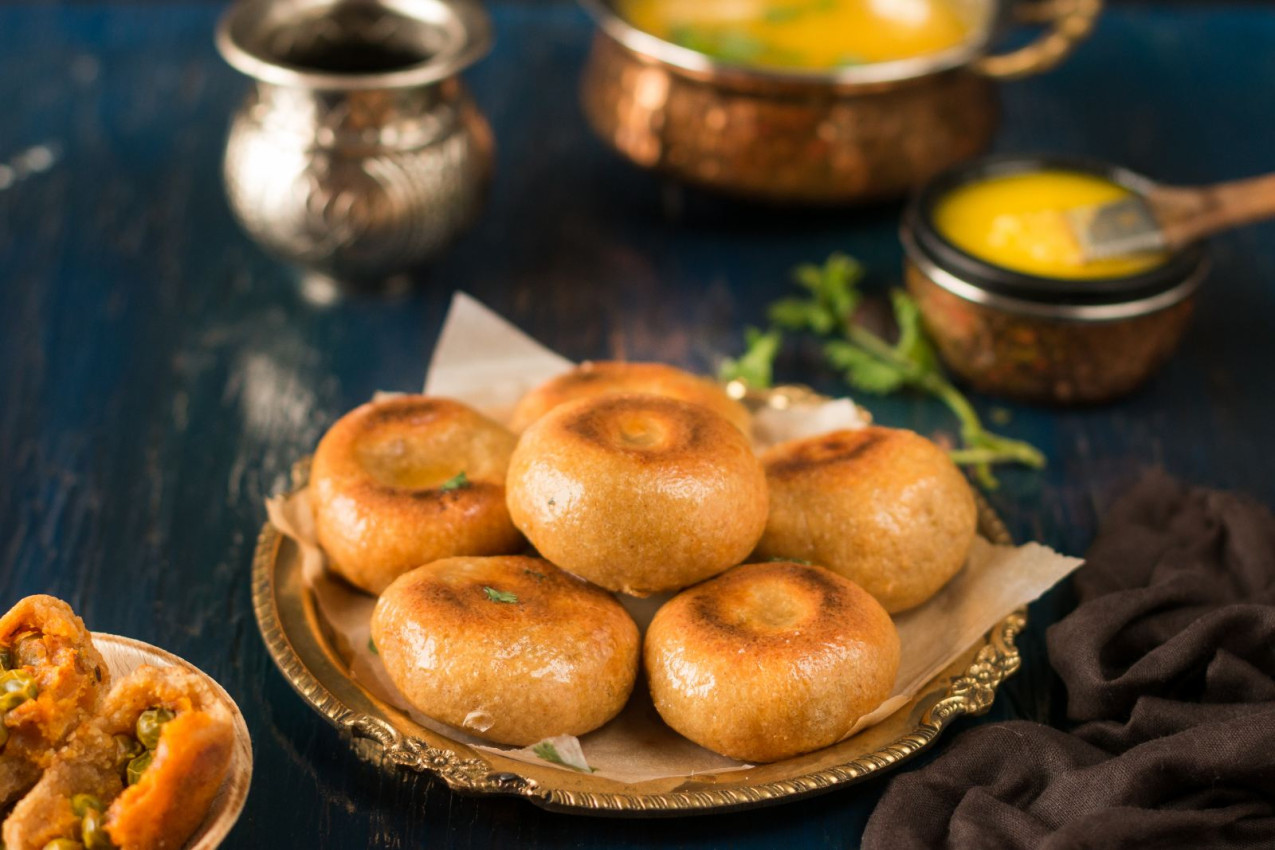
The Rajput warriors lived on the creed of courage and plainness, long, long ago, when the desert winds of Rajasthan had spread the songs of valour and the golden sands stretched as far as the eye could see. They not only fought with swords, but also with hunger, thirst, and the unkind sun.
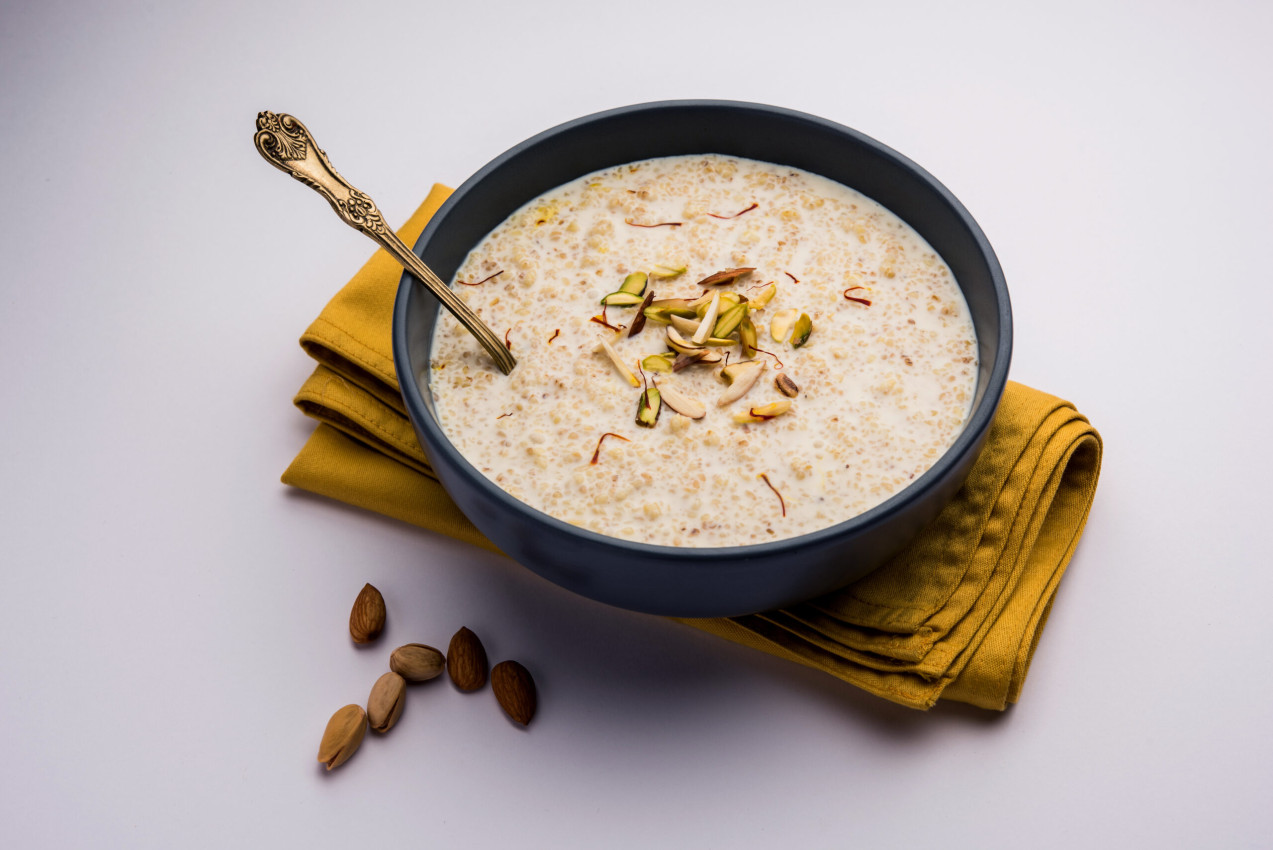
A long time ago, children were told a story on moonlit nights. Looking at the shining ball, a small boy screamed, “Maa, chaand kyun itna door hai? I want to touch it!” His mother smiled and gave him a bowl of hot dalia sweetened with milk and cardamom. “Try this and you shall know the moon.”
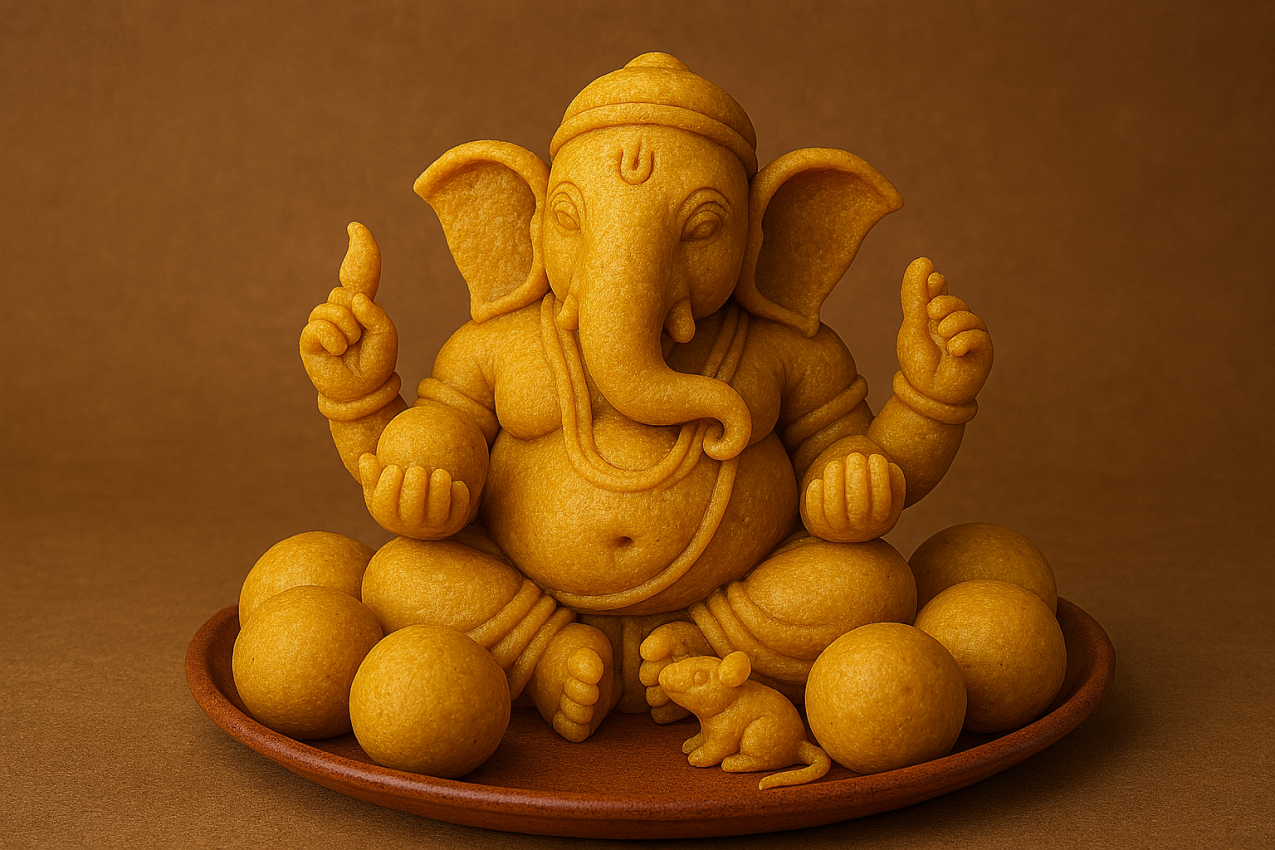
There was a celebration in heaven. Everyone was present in Lord Shiva's court. The music of veenas floated through the air, and the hall was filled with the divine fragrance of incense. Amid all this festivity, a question came to mind of Narada — a question which hushed the music and made every almighty lean forward.
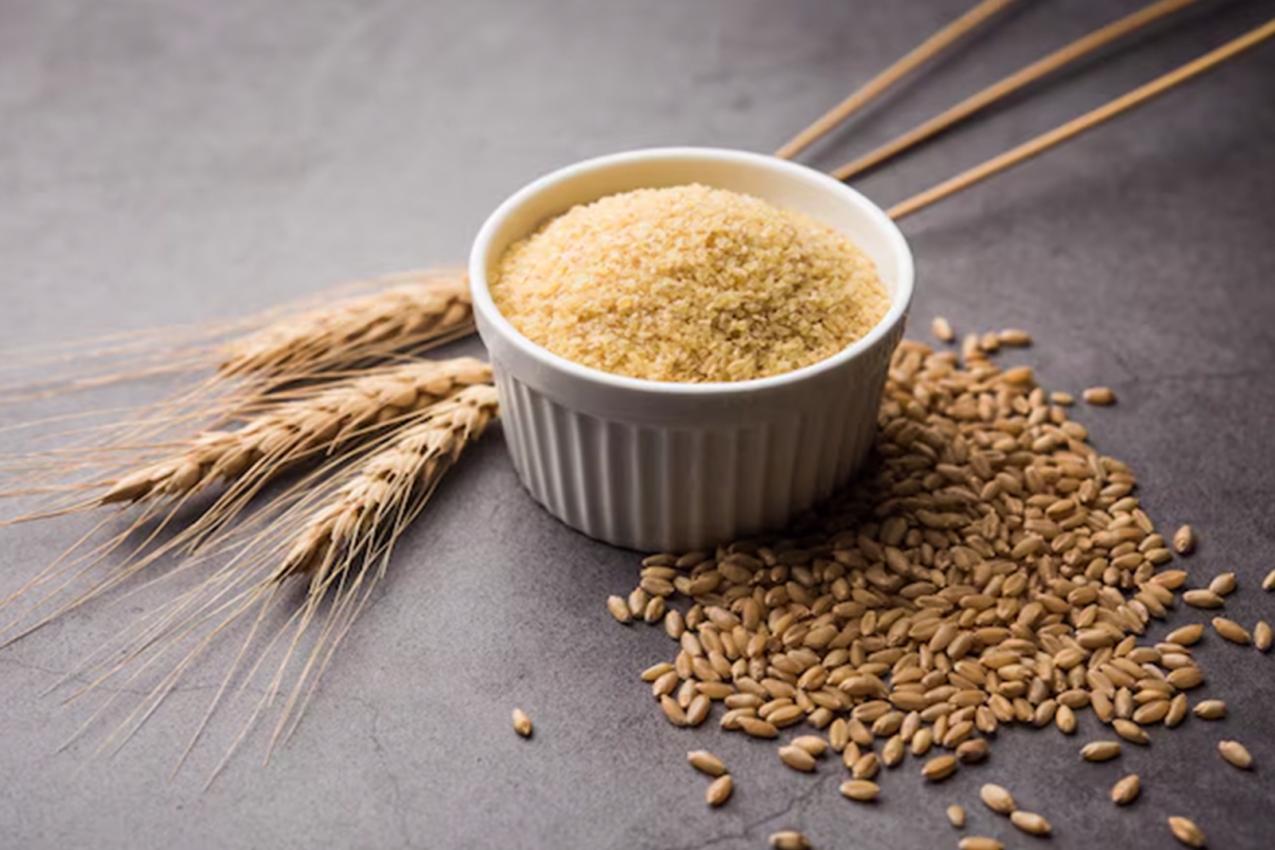
There was a farmer in a small village who was a deeply devout man. Each dawn, he lit a small diya before his clay pot of dalia. His neighbors scoffed him, “Why offer dalia? Offer sweets to the gods!” The farmer only smiled serenely....
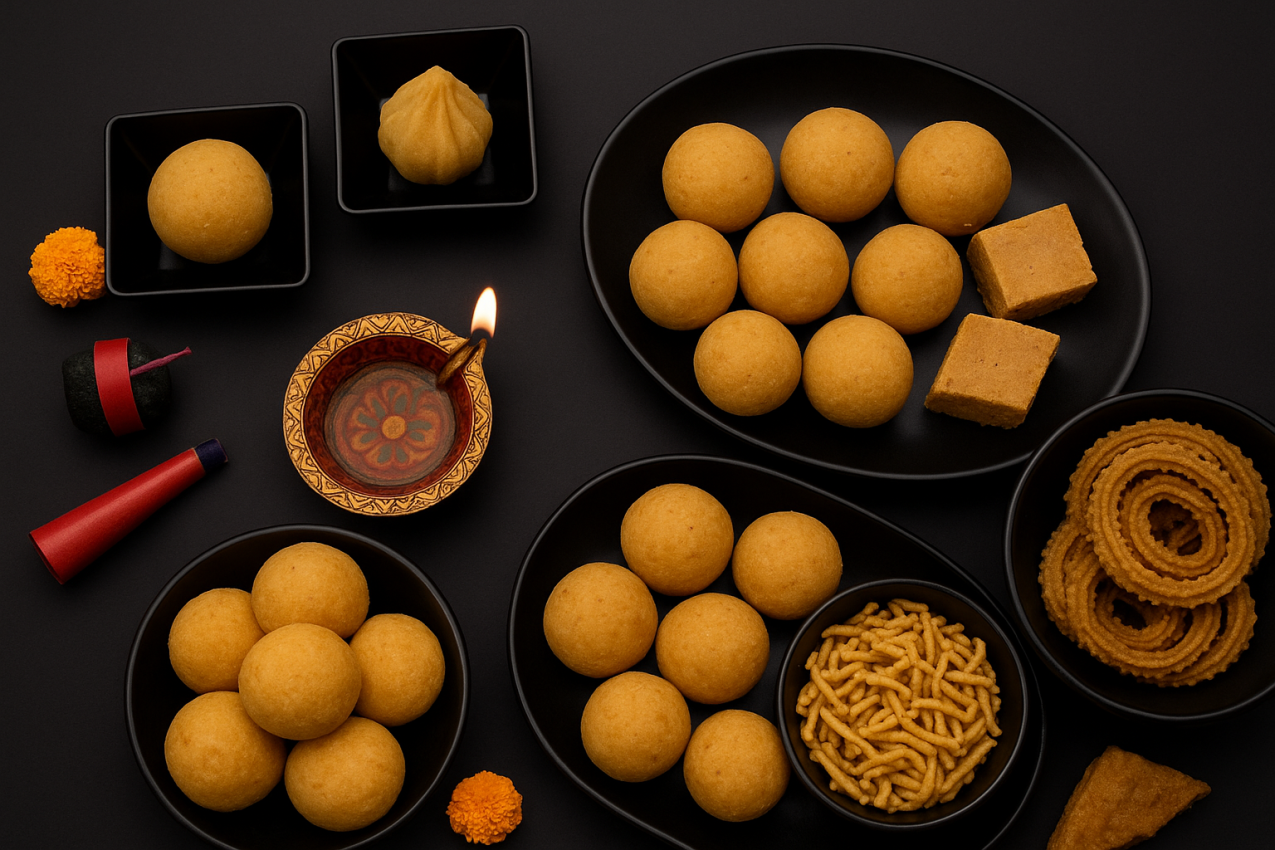
Ever wondered what makes celebrations memorable? A small golden flour, besan, Indian festivals do not begin with fireworks, but in kitchens. There, in brass jars, is besan--the golden stuff that makes merry-makings taste lively. It smells the houses and brings families together, promising them joy in each spoonful.
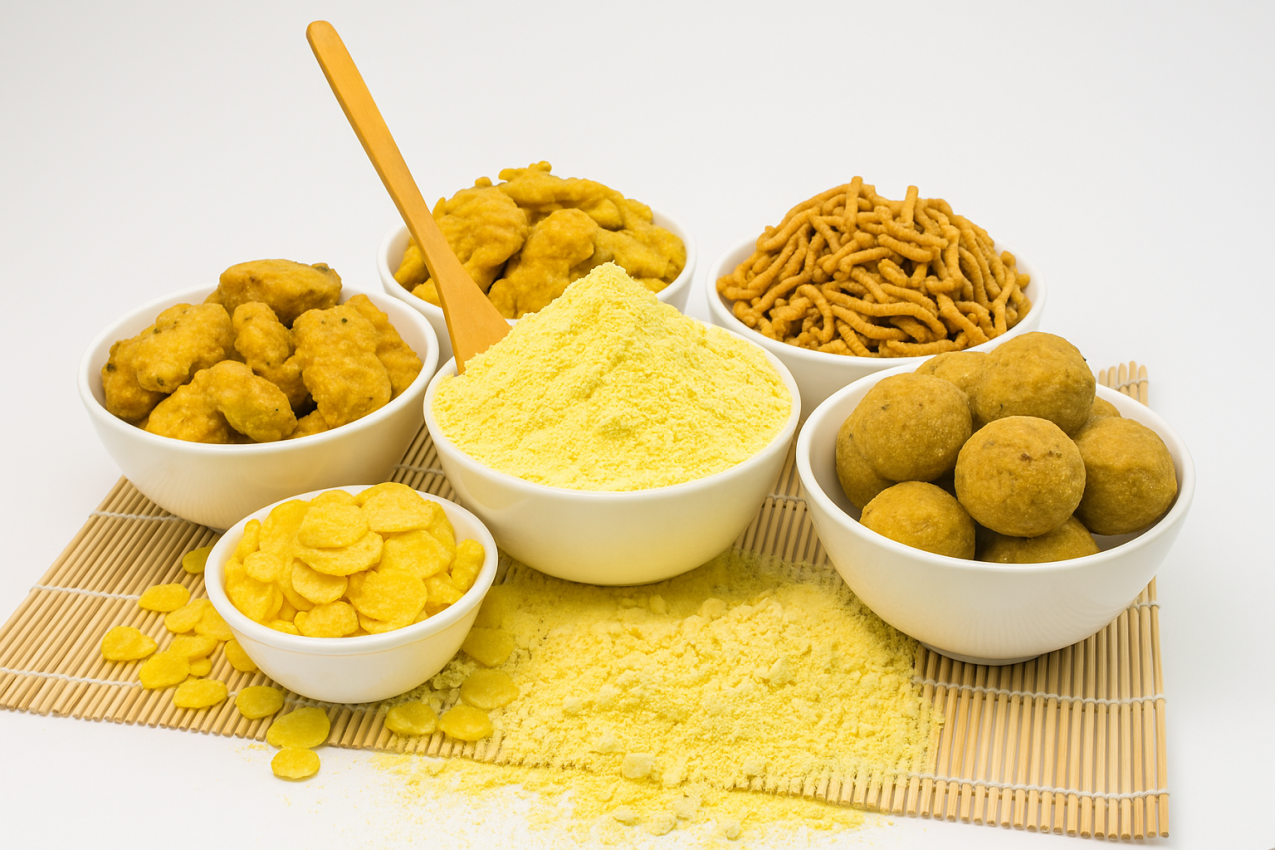
Ever heard of a hero that never wore a crown but fed entire kingdoms? That hero was the chickpea—quiet, golden, and reborn as besan. The chickpea has long been a quite hero, nourishing lives even before the spices entered the Indian kitchen.
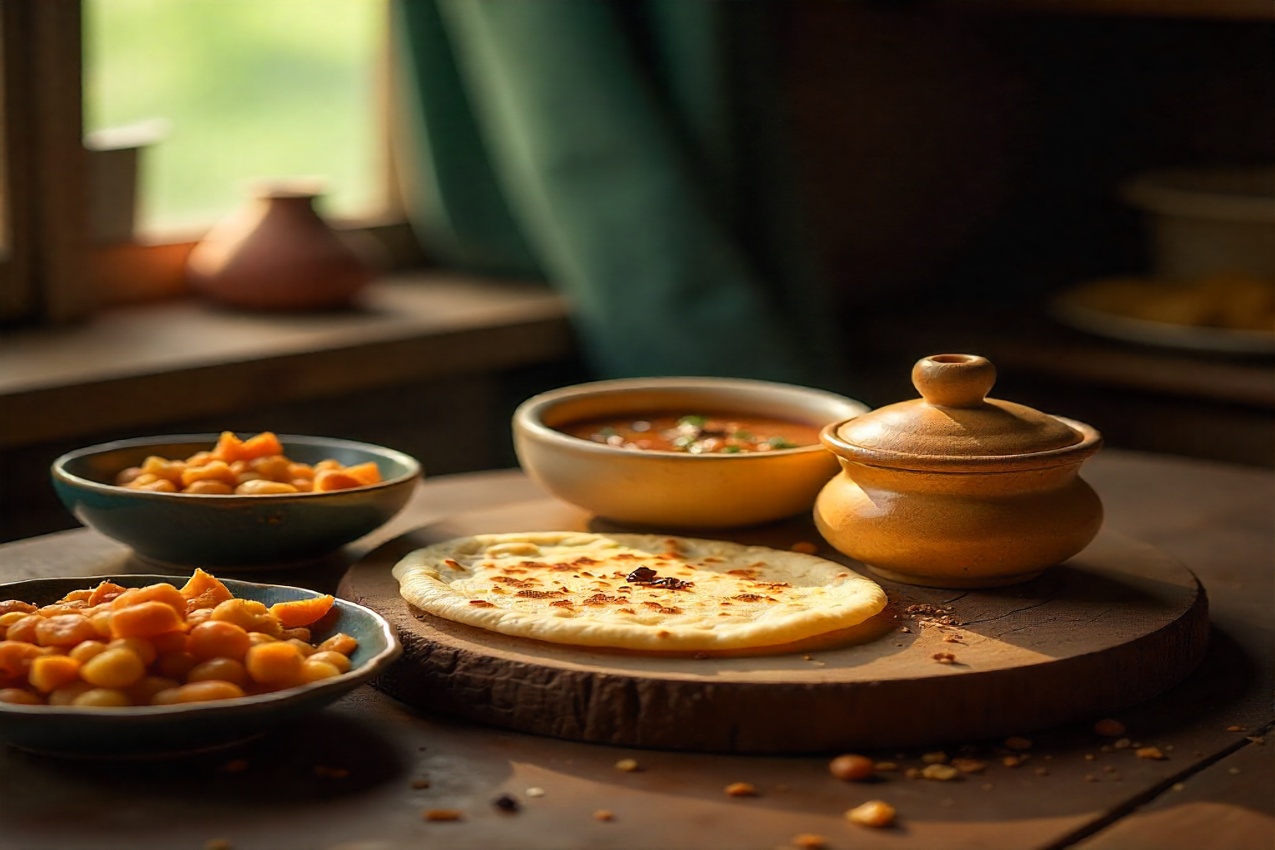
Close to Ujjain, people still talk of a story passed down like a family secret. One evening, a tired noble, some prince of Paramara dynasty—stopped at a poor farmer’s hut. Hungry and worn out, he asked for food. The farmer had no feast to serve, so he quietly patted out a roti from the little flour he had that day.
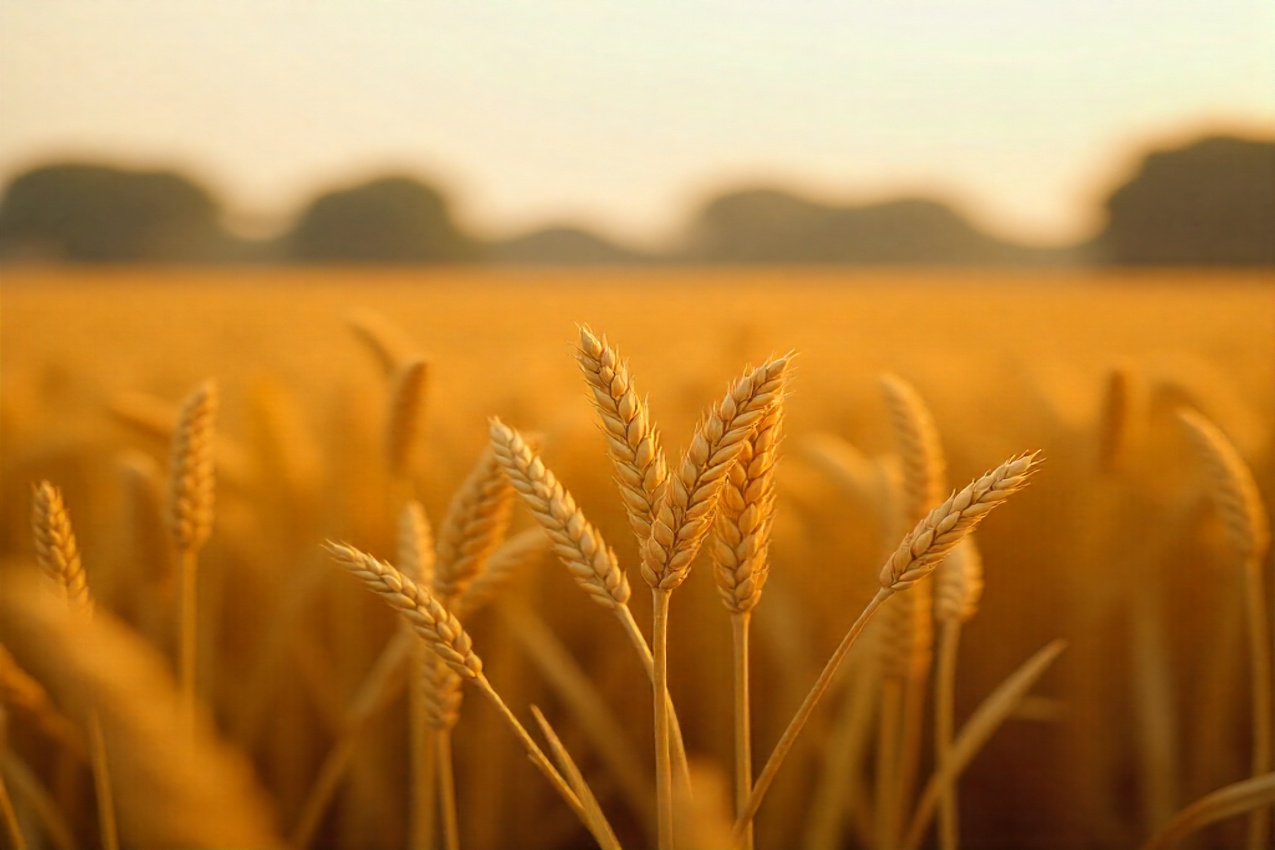
Malwa ki mitti ka apna rang hai… apni khushboo. Ask anyone there about their gehun, and you’ll notice the smile before the words. “Hamare yahan ka gehun alag hai,” they’ll tell you with pride. And behind that pride, there’s an old kahani people still whisper.
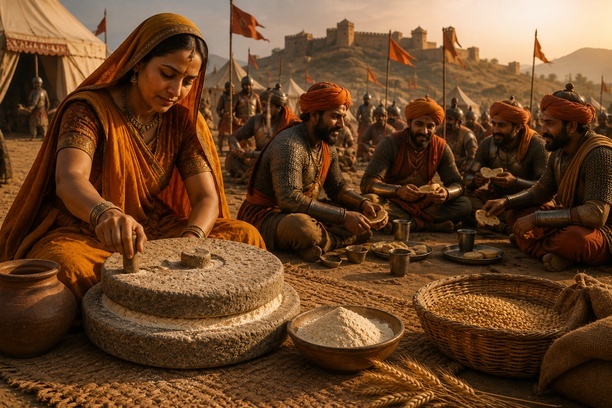
They still tell this in Rajasthan. During the reign of Maharana Pratap, a famine struck Mewar. In the royal rasoi, they served rotis made from shiny white flour. Dekhne mein sundar, but khaane ke baad the soldiers felt weak and heavy....
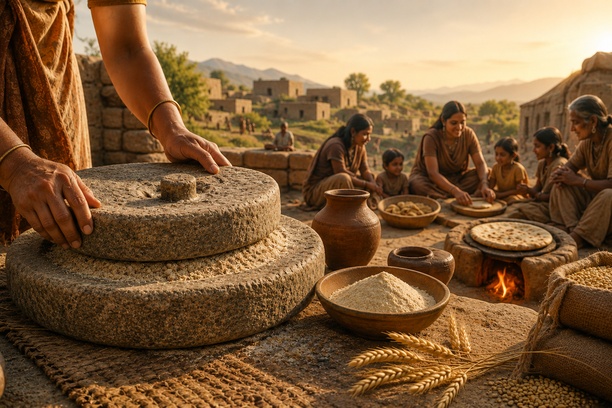
Sunne mein aata hai, in the early villages of the Indus plains, people had plenty of wheat but no real way to eat it. The grains were too hard, roasted they stayed tough, and pet kabhi bharta hi nahin.”
 App Store
 Play Store