One small seed, innumerable journeys. Coriander reads like an antique passport: born among Mediterranean rocks, embalmed with pharaohs, whispered about by Greeks and Romans, then folded into Indian kitchens and markets such as Ramganj Mandi.
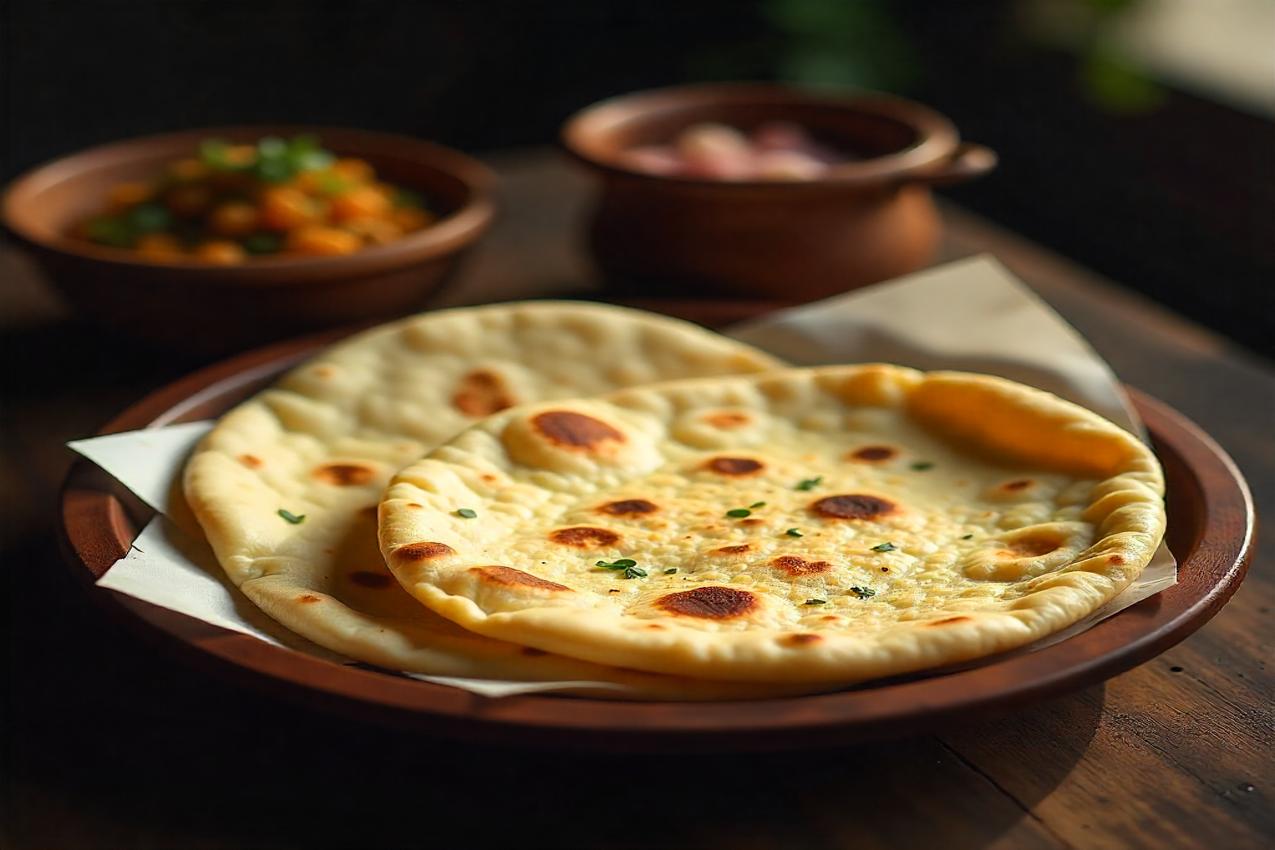
Every time you make that perfect round roti, you're literally doing what your ancestors did 5000 years ago. This isn't some random claim; it's pure archaeological fact that'll make you look at your daily wheat atta completely differently.
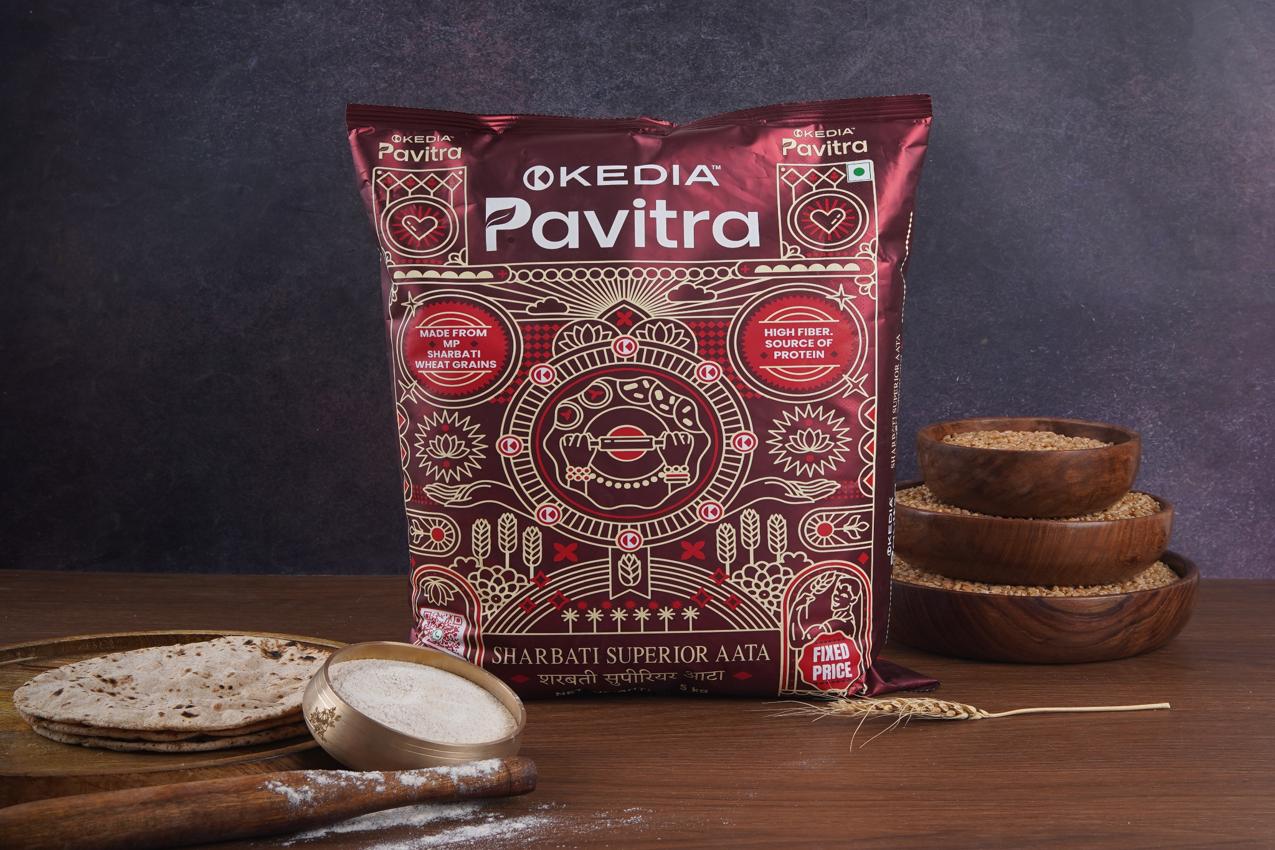
Ever wondered why your grandmother always treated atta like something sacred? Why she'd scold you for wasting even a single roti? The answer lies in one of the most dramatic divine stories ever told - when Goddess Annapurna literally saved the entire universe with wheat grains.
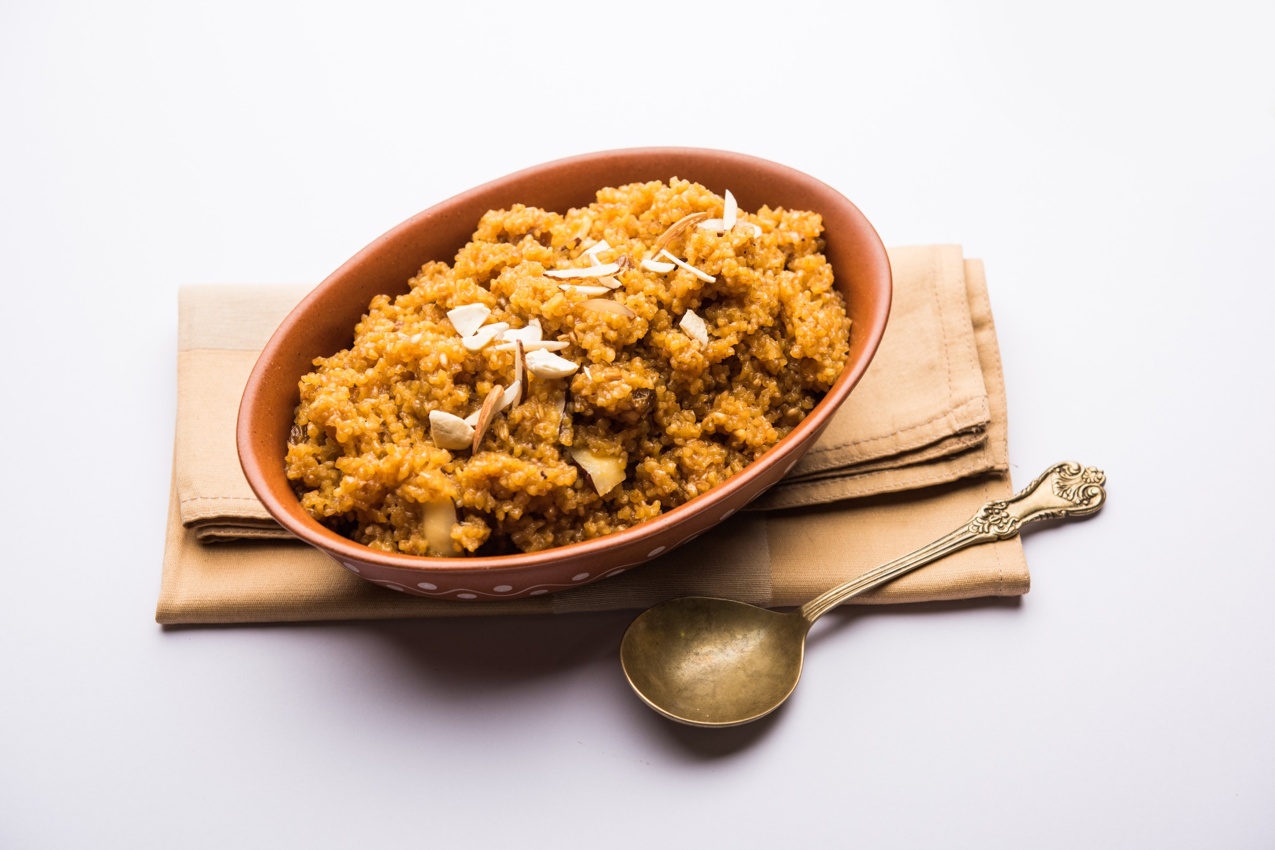
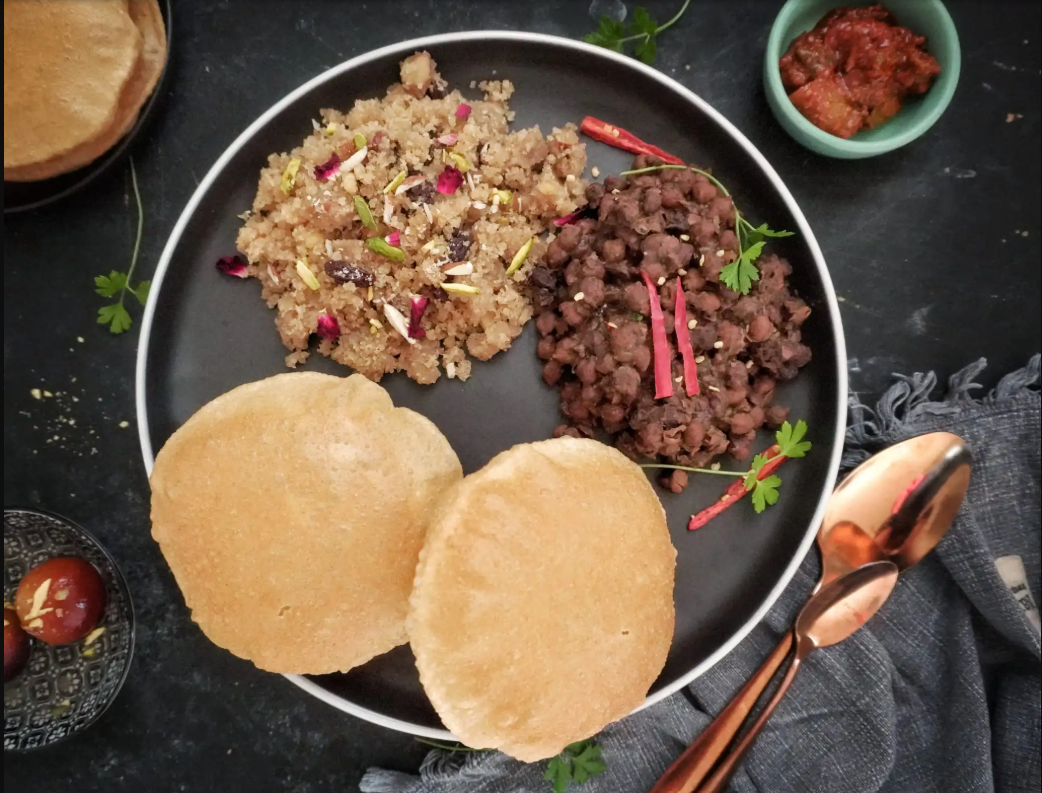
Have you ever wondered why our grandmothers always made that simple lapsi during Pitru Paksha? It seems like a simple dish but trust me - there's so much more to this humble dish! Let's dive deep into the significance that'll make you respect this traditional mithai even more.
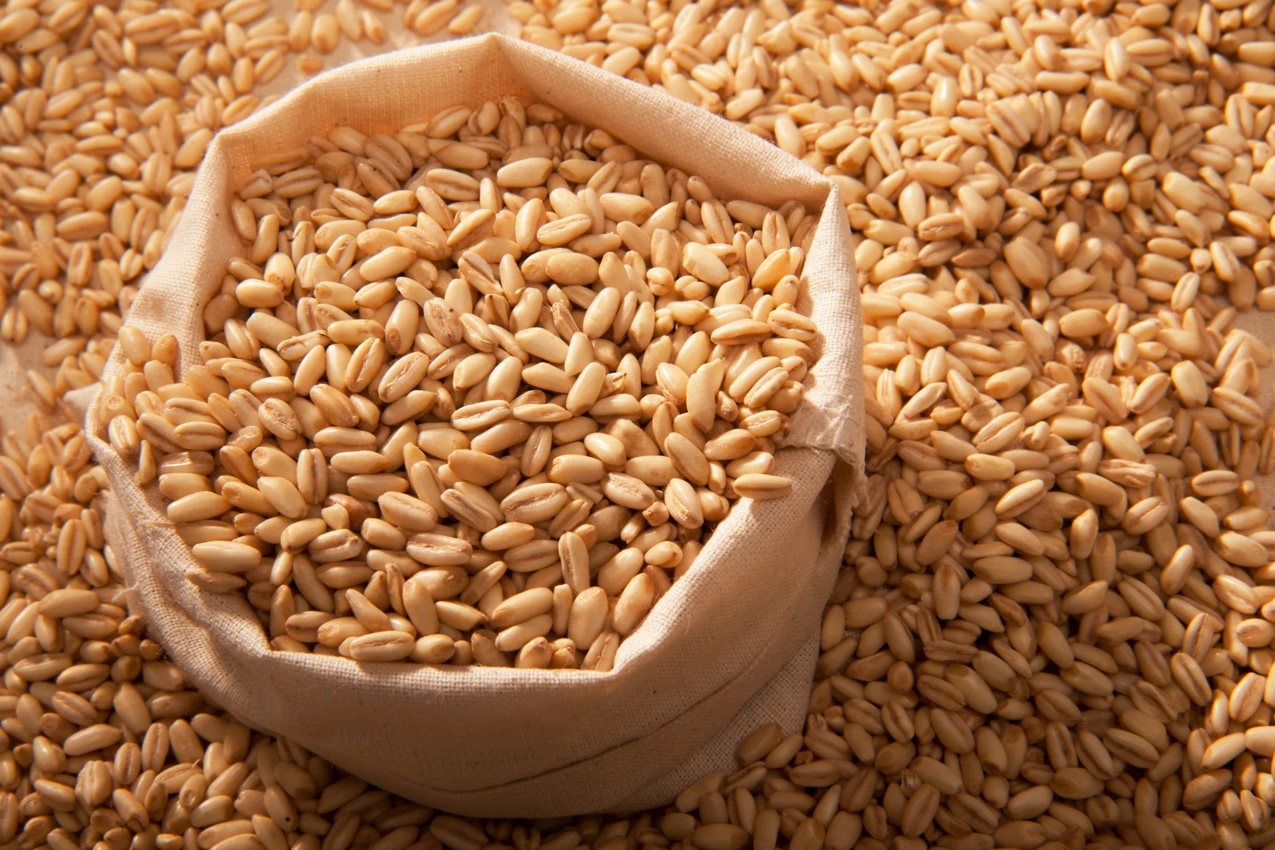
Pitru Paksha, the fortnight dedicated to honoring our ancestors, is a time when food transforms into a sacred prayer. Every offering prepared during Shraddh isn’t chosen merely for its taste or availability, but with careful attention to its purity and symbolic significance.
 App Store
 Play Store


