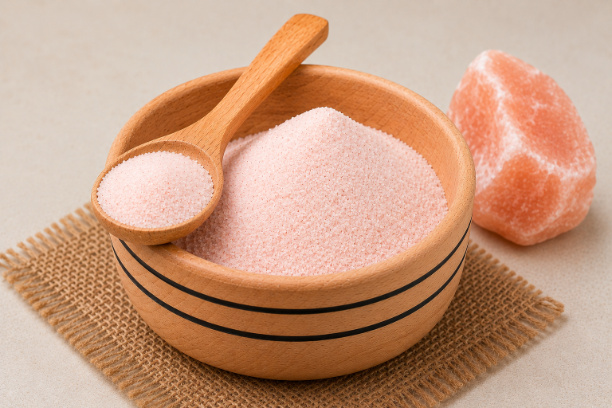
Whereas for many individuals, salt may simply be an ordinary ingredient in their cooking, in India, it is more than just that. Salt is an important ingredient in all types of cooking practices that take place in the Indian kitchen. From all the different types of salt that are traditionally used, sendha namak, or rock salt, takes precedence.
There is no denying that one reason why Himalayan rock salt is popular among the modern generation is because of its unique color and mild taste. There is, however, a more profound history behind this practice.
Why Is Sendha Namak Associated With Fasting?
One of the most common practices associated with sendha namak is its consumption during the periods of fasting, called vrat. People often prefer not to consume table salt during certain fasting periods in India, such as Navratri or other festivals, but they choose to use sendha namak instead.
Thus, rock salt became an essential ingredient in various fasting foods, for example, sabudana khichdi, vrat wale aloo, fruit chaat, raita, and roasted makhana.
This tradition has become not only a dietary practice, but also a part of Indian culture, which is based on the concept of simplicity of food according to the occasion.
From Rock to Kitchen
Rock salt is quite different from common refined salt in that the former is extracted from natural deposits found underground, while the latter is normally processed to perfection. The pink coloration that is seen on the rock salt is due to natural mineral components.
This kind of salt will, therefore, look and taste slightly different from normal salt. It is clean and tastes mildly, hence can be used in fasting as well as other foods that we take every day.
Good quality rock salt must look clean and taste naturally.
A Place in Traditional Indian Cooking
The Indian food has traditionally emphasized use of multi-purpose ingredients. Sendha Namak is one of such ingredients found in kitchens.
They can be used for:
Its mild saltiness is capable of making natural flavours of the ingredients better.
More Than Just a Pink Colour
There has been a significant rise in the demand for Himalayan pink salt in contemporary kitchens owing to its uniqueness and image associated with it. However, it must be remembered that salt is salt after all, and high sodium intake is not healthy. The nutritive value of salt should not be used as an excuse for eating excess amounts of it.
The charm of naturally obtained rock salt lies in its combination of versatility, tradition, and unique taste.
Keeping an Old Tradition Alive
From the simple meal of a vrat to the seasoned fruits in a bowl, sendha namak keeps making its presence felt in the kitchens of India. The process of extraction of sendha namak from rocks to its use in cooking has always been driven by the inherent desire of Indians towards using simple and traditional ingredients in their kitchens.
Whether it is the act of fasting or the simple task of seasoning, Himalayan pink rock salt provides its culinary culture.
It is often true that small things carry big stories with them, and sendha namak definitely is one such story.
How to Identify Pure Groundnut Oil: Simple Pavitra Tests at Home
August 14th, 2026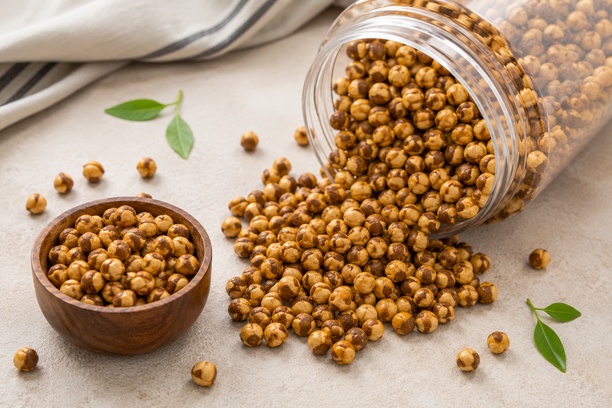
Roasted Chana: A Crunchy Snack Packed with Health & Nutritional Benefits
August 13th, 2026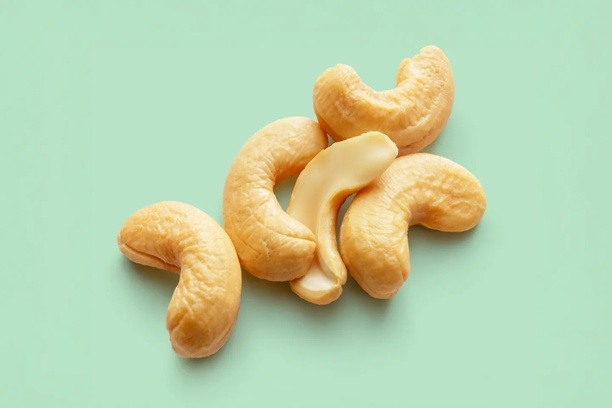
Pavitra Test: How to Identify Pure and Good-Quality Cashew Nuts
August 12th, 2026
 App Store
 Play Store