
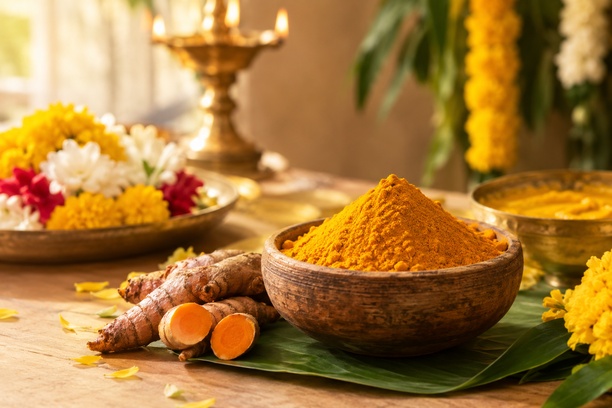
Even before turmeric was incorporated into the routine health practices of today, it had already made its mark in the lives of Indians through various uses at home and during social functions.
Haldi is the term given to turmeric, which is not just an ordinary yellow spice added to foods. It has been part of the culture of Indians across generations in connection with auspicious events, customs, and good manners.
Turmeric has long been a part of the homes in India. Its color and pungent smell made it a perfect fit into various traditions.
Turmeric was often linked to events that marked the start of something new in Indian culture. Be it festivals, religious functions, weddings or home traditions, haldi would always be present as an omen of good luck.
The mere presence of turmeric in the traditional Indian kitchen has its own symbolic value. It means the presence of a handy, well-known component of Indian cuisine.
One reason why the color turmeric has played a prominent role in culture is because it is golden-yellow in color.
Historically, yellow has always been a symbol of warmth, joy, success, and new beginnings. Because turmeric comes in golden-yellow color, it makes an appropriate spice to be used in ceremonial and joyful events.
Indian wedding is one good example.
Haldi ceremony is one of the most identifiable customs practiced during weddings in India.
In preparation for the wedding ceremony, the bride and groom smear themselves with turmeric paste. Though there may be differences in custom practices, this ceremony is a happy gathering with music, laughter, blessings, and family involvement.
The use of turmeric is not about the use of the spice alone. It symbolizes a change of life stage and is marked by celebration among the loved ones.
The Haldi ceremony has since changed over time. Each family has developed different practices of preparing for this ceremony, but the yellow color of the haldi always features.
India has a rich collection of various types of turmeric which are formed according to the conditions of their growth and cultivation in the place where they are grown.
Among them, one type of turmeric is called Lakadong turmeric. It is native to the Jaintia Hills in Meghalaya. Lakadong turmeric is known for its natural dark color, distinct smell and high content of curcumin.
The history of Lakadong turmeric can be added to the history of Indian turmeric.
The fascinating aspect about turmeric is how easily it transitions through different aspects of Indian society.
It may find its way into a religious function that takes place early in the morning, into lunch being consumed during midday, and into a practice which is handed down from generation to generation within a family.
The importance of turmeric is not tied to a specific ceremony or location; it has transcended into the larger realm of culture.
Nowadays, turmeric is talked about in relation to its color, taste, curcumin content, and its use in cooking. But turmeric has a history that predates modern health discussions.
For many generations, turmeric has been known to Indian households as 'haldi'—an ordinary ingredient in their kitchens, which belongs in their lives.
Maybe this is why turmeric holds such significance. Turmeric isn't just another spice that has managed to survive for generations; it has evolved with the Indian culture itself.
And every time this yellowish hue shows up in any kitchen or any religious or family gathering, it brings a part of that long-held history with it.
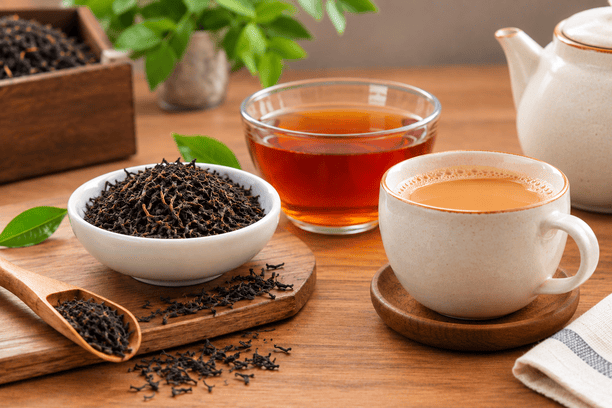
How to Check Tea Quality at Home: A Simple Guide to Better Tea
September 8th, 2026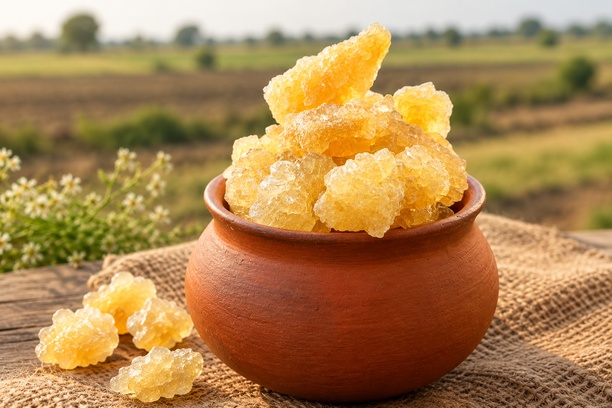
Health & Nutritional Benefits of Hing: Why This Traditional Spice Still Matters
September 3rd, 2026 App Store
 Play Store