
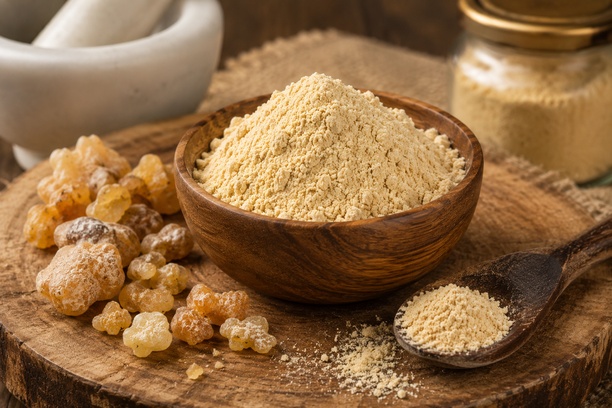
Hing, which is known as Asafoetida, is considered one of the strongest spices in an Indian kitchen. Just a little bit of this spice can give the food an aroma along with the savory taste. Since just a pinch of the spice is used in food, quality matters a lot. The spice must have certain qualities like the right aroma and consistency along with the ability to mix into food smoothly. But how would you be able to check the quality of hing before mixing it into the food?
The first and the most basic test is that of the aroma. The aroma of hing is well recognised because of its unique characteristics. Once you open the packet, it must have a unique aroma that is recognisable. It cannot have a stale or unnatural smell. Hing is a product that is highly concentrated and hence, it will have an aroma even in small quantities. Pavitra Test Tip: Try smelling just a small amount of the product.
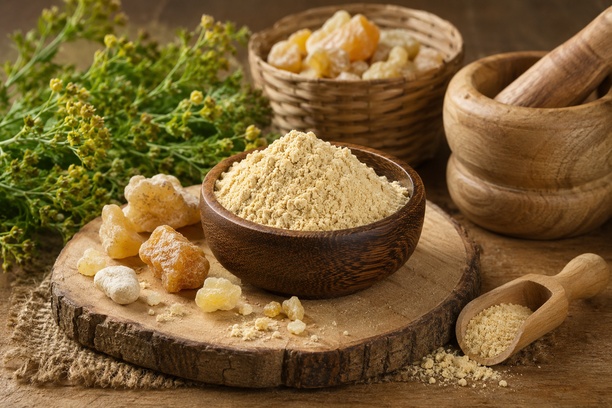
However, powdered hing may come in different forms and compositions; thus, the color is not an appropriate factor in judging the quality of this product. Rather, you need to consider the physical state of the powder as a whole. For instance, it needs to have relatively consistent composition and should not contain foreign matter, moisture, or clumping. The storage of this spice is equally important because any contact with moisture may influence its texture and freshness.
One of the best methods to assess the quality of hing is to try it out in the kitchen while cooking. Heat some amount of oil or ghee and put a little bit of hing in it. Once it comes in contact with heat, you can easily get an aroma from the hing. This is essential as hing is mostly famous for what it adds to the food and not only for its appearance in the bottle.
Hing is a condiment, and thus you will not require a lot of it in order to bring out its flavor. Try using just a tiny amount of it in a recipe you are already familiar with like daal or vegetable recipes and see how it turns out. Ideally, the perfect outcome would be a nice aroma that mixes with the flavor of the recipe as a whole. If you require an unusually large amount of it in order to get any aroma from it, it might be worthwhile investigating the formula of the recipe.
Quality evaluation does not end with the appearance and fragrance of the product alone. It is imperative to examine the details provided about the ingredients present in the pack. Hing products come in varying compositions, and some might even include other ingredients apart from the basic composition of the product. Reading the label will provide a clear idea regarding the contents of the product you are buying. Hygienic processing is yet another essential aspect to consider.
In addition, even the finest spices will lose their quality if they are not packaged correctly. Hing has an especially strong smell, and therefore, suitable packaging is required for the preservation of its unique smell. This can be achieved through proper packaging of the product in packages which are clean and free of damage and have adequate labeling such as ingredients, weight, batch number, manufacture details, and date of expiry.
So, a basic quality check can be done using four aspects:
If the answer to these questions is yes, then you have some basic indicators for the maintenance of hing.
Hing may be used in tiny quantities, but its impact on food can be significant. That is why choosing a good-quality product and storing it correctly matters. The Pavitra Test is ultimately about paying attention to the details—how the hing smells, looks, performs during cooking, and is packaged. Rather than judging a spice only by its appearance, take a complete approach. A characteristic aroma, consistent quality, proper processing, and good packaging together tell a much better story about the hing in your kitchen.
Haldi in Indian Traditions: The Golden Spice Beyond the Kitchen
September 16th, 2026
How to Check Tea Quality at Home: A Simple Guide to Better Tea
September 8th, 2026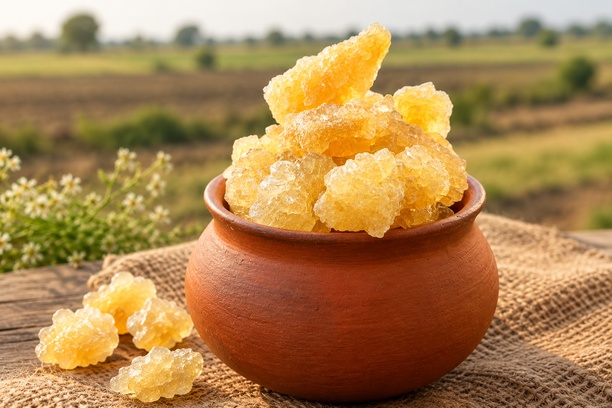
Health & Nutritional Benefits of Hing: Why This Traditional Spice Still Matters
September 3rd, 2026 App Store
 Play Store