
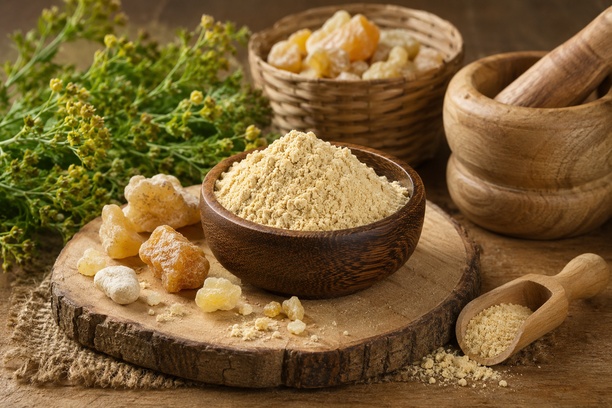
The use of Hing, or asafoetida, is one of the most unique spices in Indian cuisine. Although it is usually included in minimal amounts, its intense smell and taste are enough to change any regular dish. Over the years, hing has been recognized as a part of traditional eating habits, especially during the preparation of dals, pulses, vegetables, and many other meals. In addition to this, hing is known to include certain chemicals in its composition that may have some beneficial effects on health. Even though it cannot be treated as a medicine or a substitute for healthy food, the inclusion of hing in regular meals is an option.
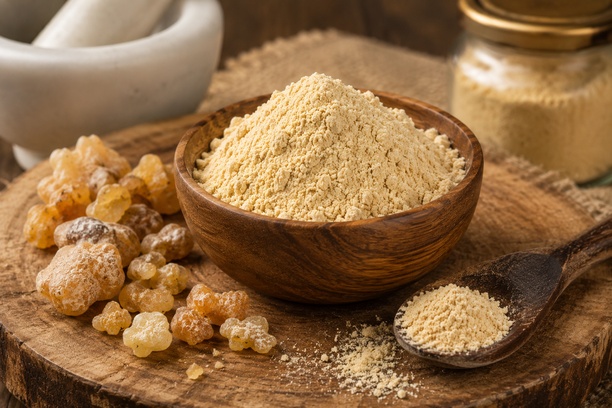
Hing is extracted from the resin of specific Ferula species. Once processed, it turns out to be a very strong spice having its own pungent smell. Due to its strength, only a little bit of hing is used during cooking. It means that though the consumption of hing is not great, it still manages to provide a dish with some unique plant substances and aroma. Long-time usage of hing in Indian cuisine is proof of its usefulness in food.
Among the most popular traditional uses of hing is its link with digestive wellbeing. Hing has been traditionally used together with foods like lentils, beans, etc., which could cause discomfort after consumption. Indian cooking usually involves the use of hing in dishes made using pulses and legumes. Nevertheless, it is essential to understand the difference between the traditional use of hing and the medical application. Hing should be used as a food ingredient, and not as a treatment for any problems with the digestive system.
Hing has several naturally occurring chemicals such as phenolic compounds, among others, which have been tested for their antioxidant properties. An antioxidant is any chemical substance that helps protect body cells from oxidative stress. Several plant-based foods and spices can contribute to a range of these chemicals in one’s diet. But hing is consumed in minute amounts, and thus one cannot consider it an important source of antioxidants by itself. It must rather be looked at as an ingredient among others in one’s diet.
A practical advantage of using hing is that the small quantity of this spice can give off a robust savoury scent and flavor. It is a useful element that can be used to flavor a simple meal. When added in adequate amounts, hing can add flavor to lentils, vegetables, grains, and many more without necessarily having to use a lot of seasoning. The inclusion of vegetables, fruits, whole grains, pulses, nuts, seeds, and various herbs and spices in one's diet leads to intake of a diverse array of nutrients.
Due to the high concentration of hing, quality and processing are two important factors to consider. High-quality hing must have a distinct smell and must be able to mix well with foods in minimal quantities. Good hygienic processing and packaging can further aid in preventing contamination, spoilage due to humidity, and loss of smell. In purchasing hing, one must evaluate the ingredients, packaging quality, storage requirements, and general product quality without only relying on the strength of its smell.
Consumption of Hing’s taste needs moderation. The strong taste of the spice means that very little is needed in order to give the dish its flavor. Too much of Hing will definitely make the meal overly spicy and it ends up overshadowing the rest of the flavors.
The use of hing may be minimal, but the importance of hing in Indian cuisine cannot be underestimated. Hing’s aromatic qualities, phytochemicals present naturally in plants, and rich tradition in food preparations make it an intriguing inclusion in regular meals. From the point of view of nutrition, hing must be considered a complementing element and not a dietary supplement. The most important contribution of hing lies in its contribution to a well-rounded and healthy diet which includes the use of various herbs and spices in addition to providing flavors and naturally occurring phytochemicals.
Haldi in Indian Traditions: The Golden Spice Beyond the Kitchen
September 16th, 2026
How to Check Tea Quality at Home: A Simple Guide to Better Tea
September 8th, 2026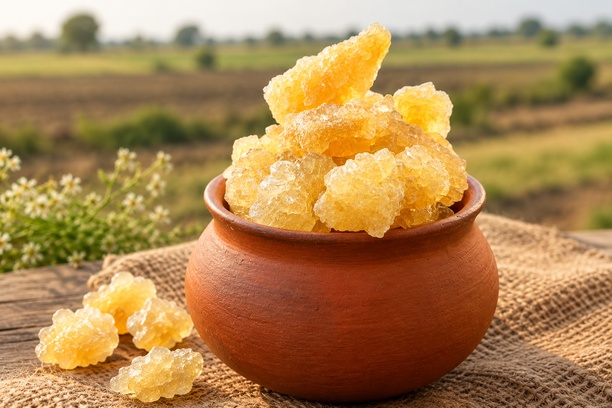
 App Store
 Play Store