
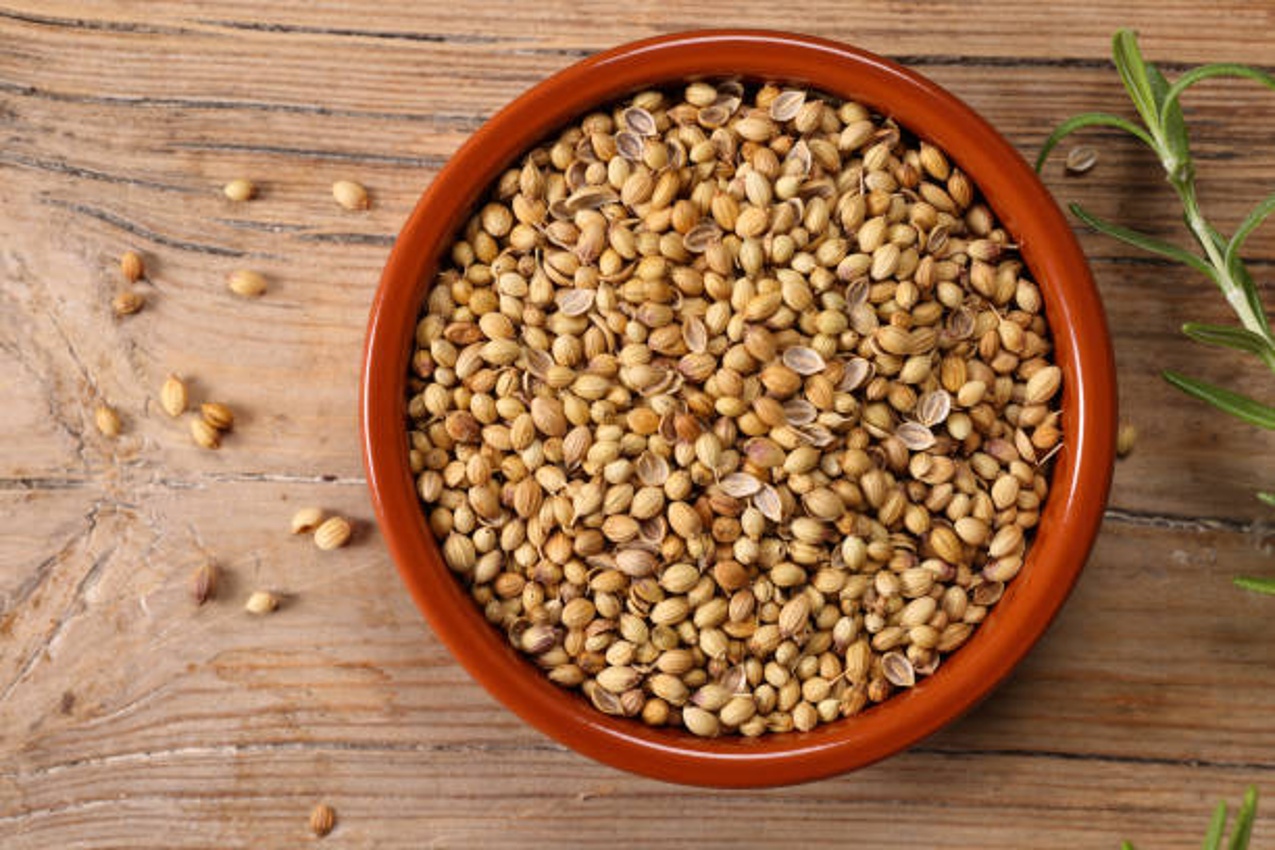
You might think that coriander is just that humble seed in your curry powder—until you visit Ramganj Mandi, “Coriander City” in Rajasthan. Here, in the dusty plains of Hadoti, that coriander seed is elevated: its aroma, its flavour, even its global fame are no accident.
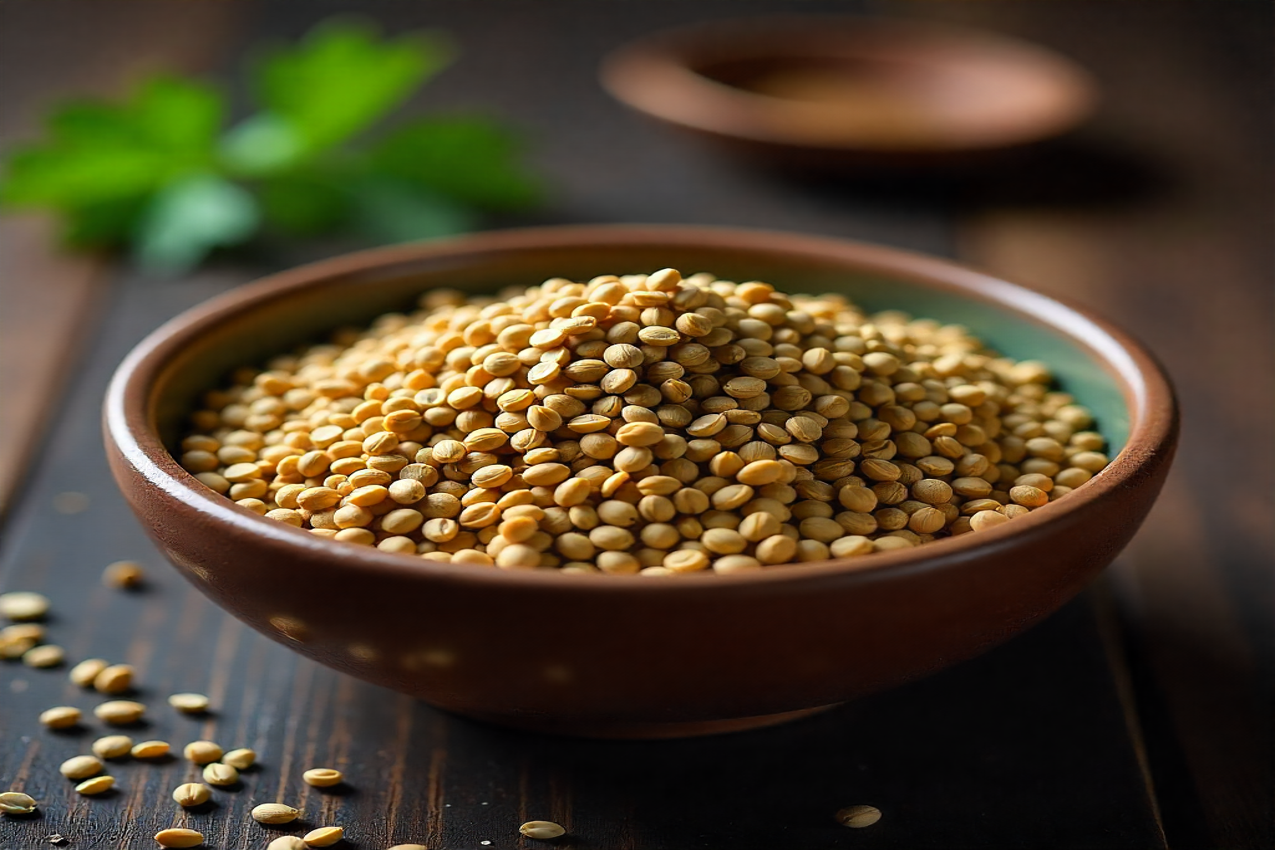
If Indian cooking were a playlist, coriander seeds (sabut dhania) would be the bassline—subtle, citrusy, and always there, tying the track together. From coriander water at dawn to garam masala at dusk, this tiny seed moves effortlessly between flavour and function, tradition and science.
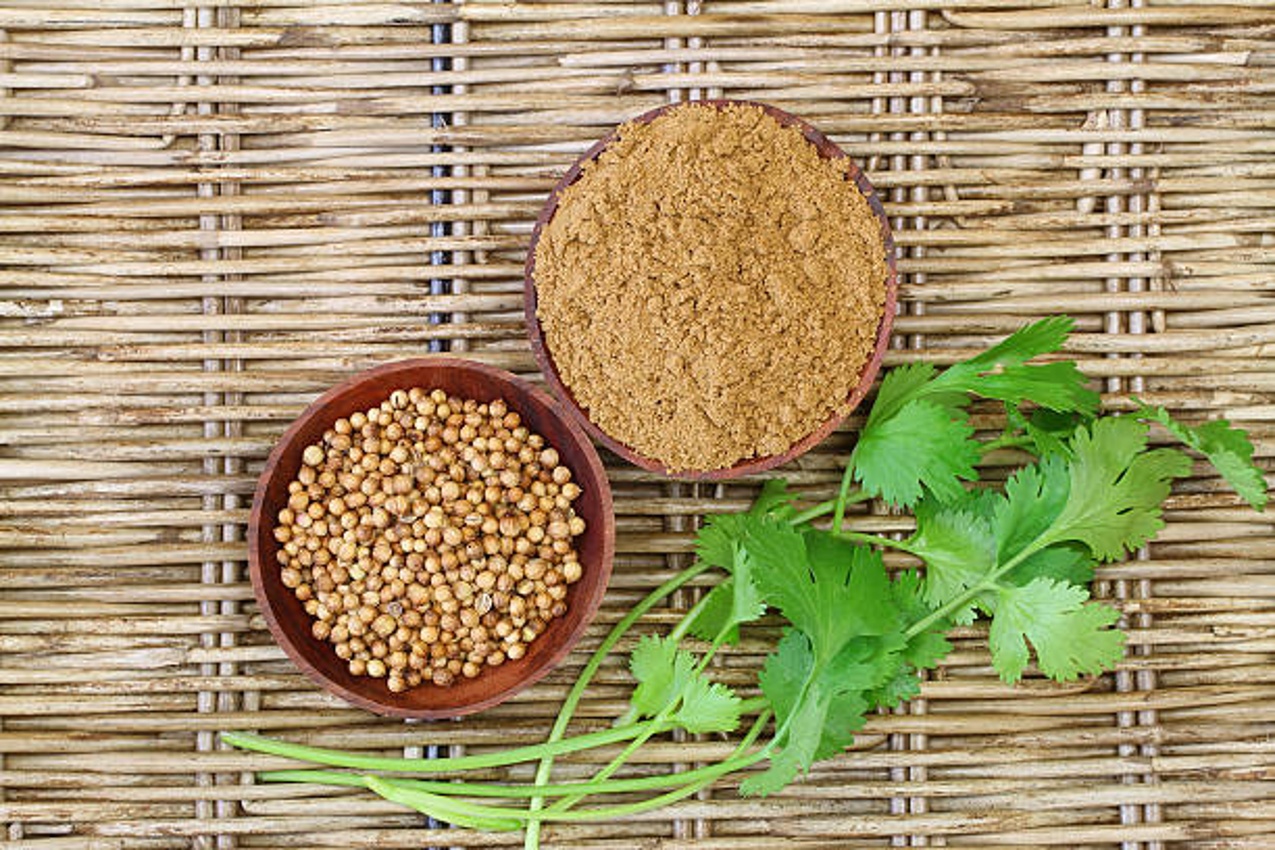
Tiny golden spheres, major glow-up. Coriander seeds don’t just season dinner—they quietly stack your day with aroma chemistry, fiber firepower, and legit minerals.
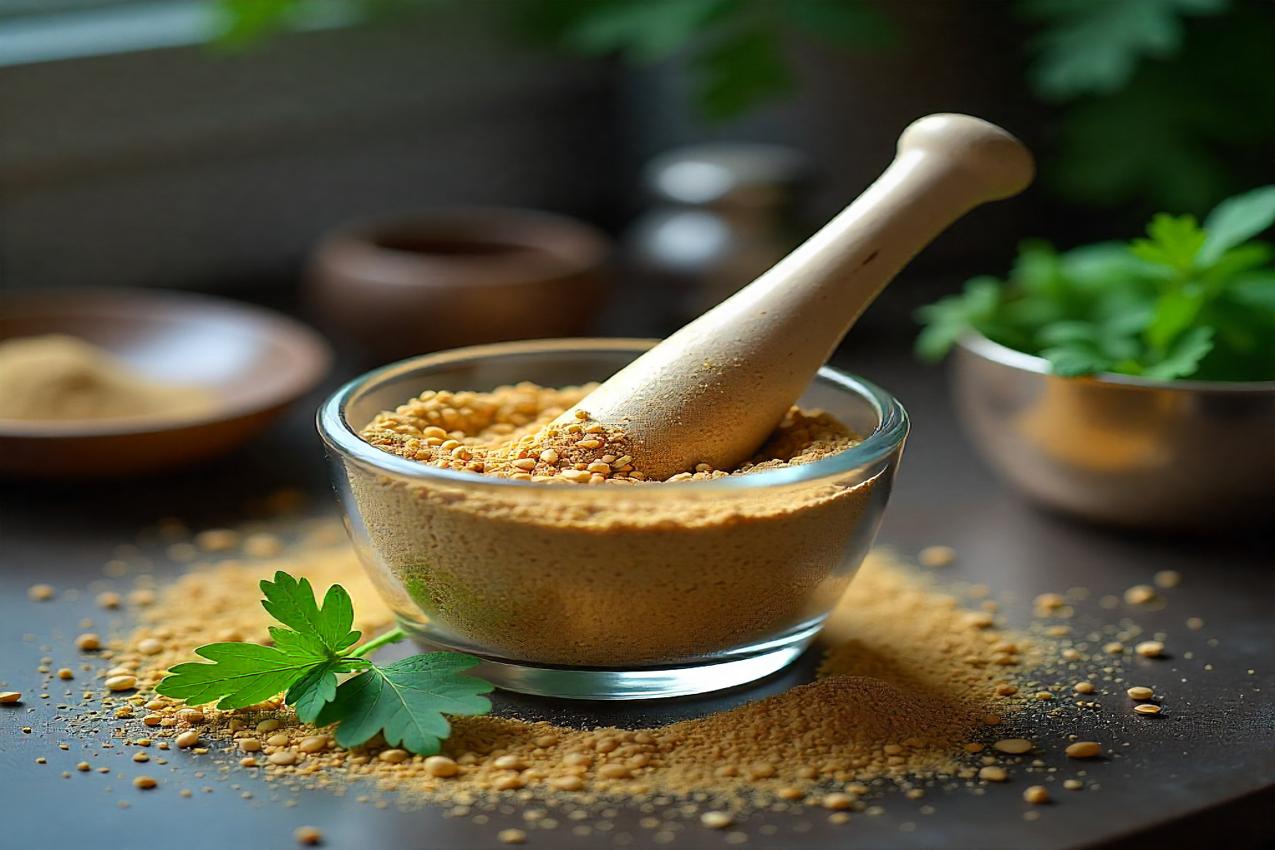
The Chemistry Behind the Aroma: Essential Oils, Linalool & Quality in Coriander Seeds What makes high-grade coriander seeds smell like a garden’s early morning dew, layered with citrus and spice? Spoiler: it’s not magic. It’s chemistry — genes, oils, soil, and the art of selection.
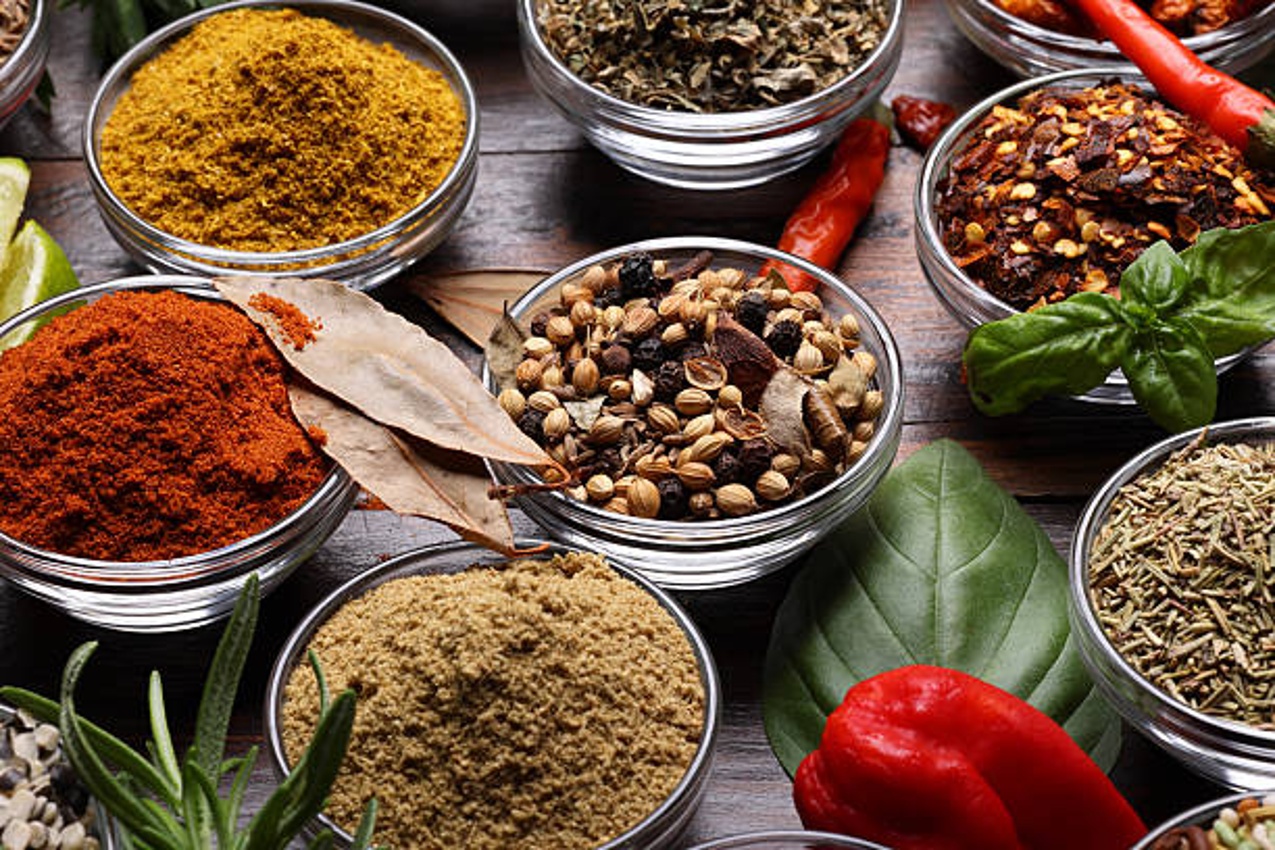
If India had a Wall Street for spices, Ramganj Mandi would be the trading floor—shouting, jostling, and perfumed with coriander. The Kota-district town isn’t nicknamed “Coriander City” for nothing: on peak days, arrivals can touch 6,500 tonnes.
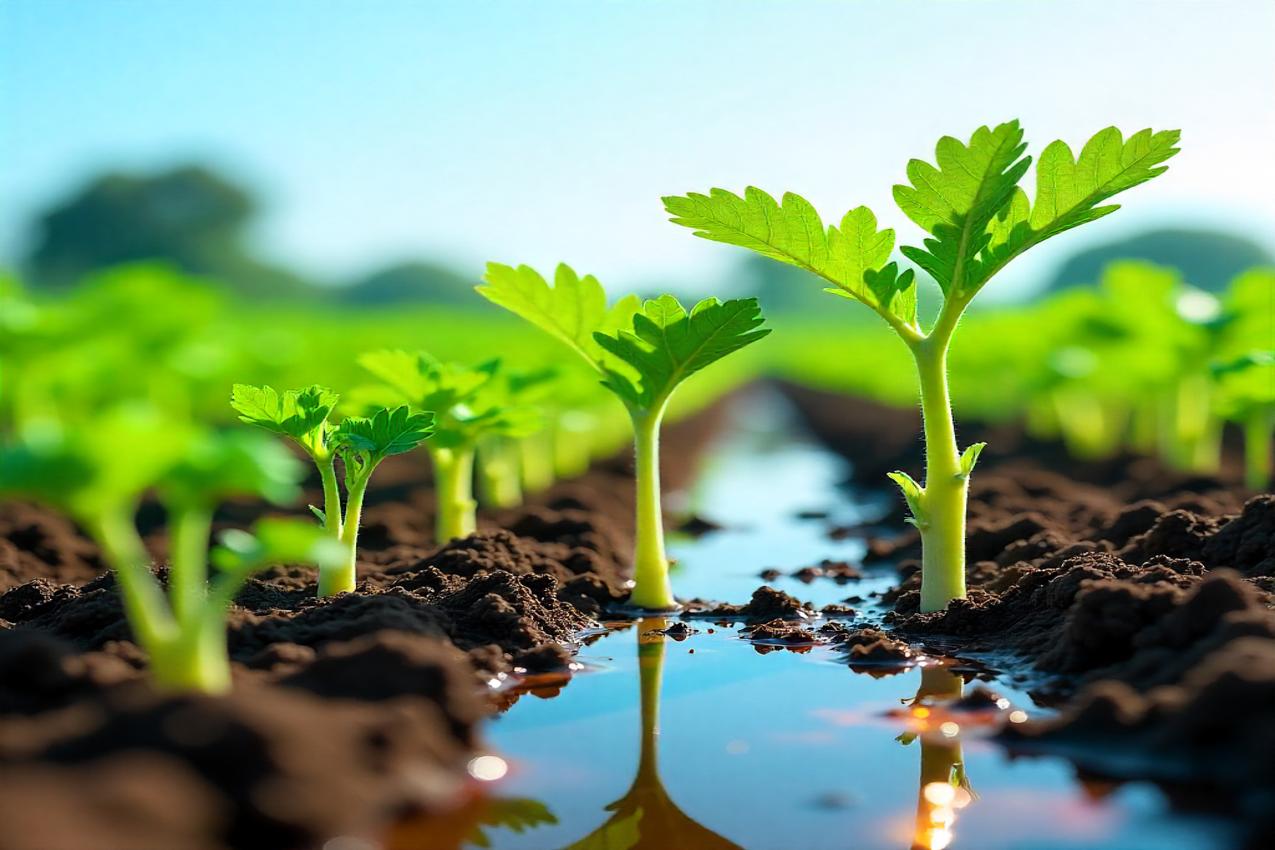
Here’s a hot take for your spice rack: Kota doesn’t just grow coriander; it crafts it. Tucked into Rajasthan’s Hadoti belt, Kota sits on a terroir that behaves a lot like a great wine region—only here, the bouquet is laced with linalool, that citrus-floral note you catch the second you crack a seed.
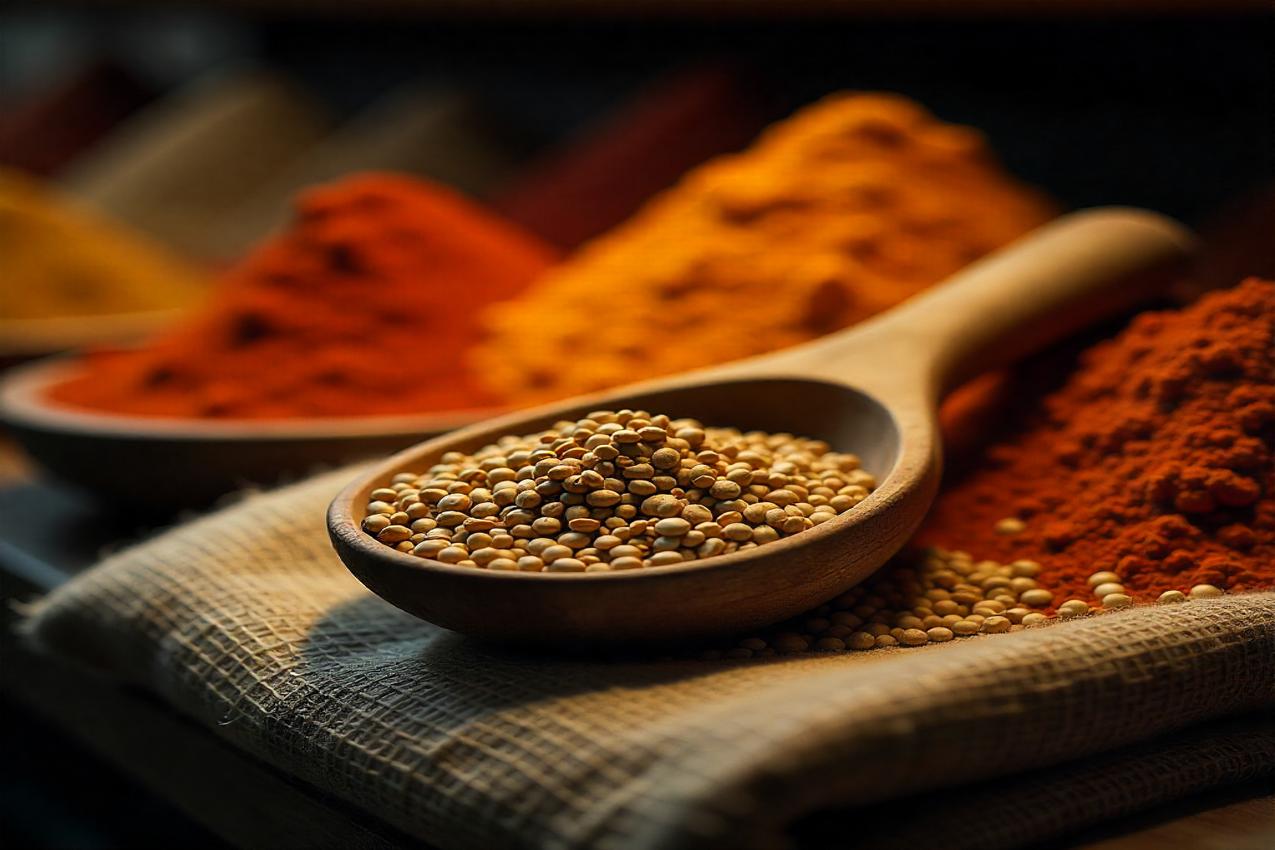
When you crush a handful of coriander seeds between your palms, you release not only fragrance but also a hidden pharmacy of bioactive compounds. Modern nutritional science is now confirming what traditional systems of medicine always suspected: premium coriander seeds are far richer in antioxidants, polyphenols, and essential oils than their average counterparts.
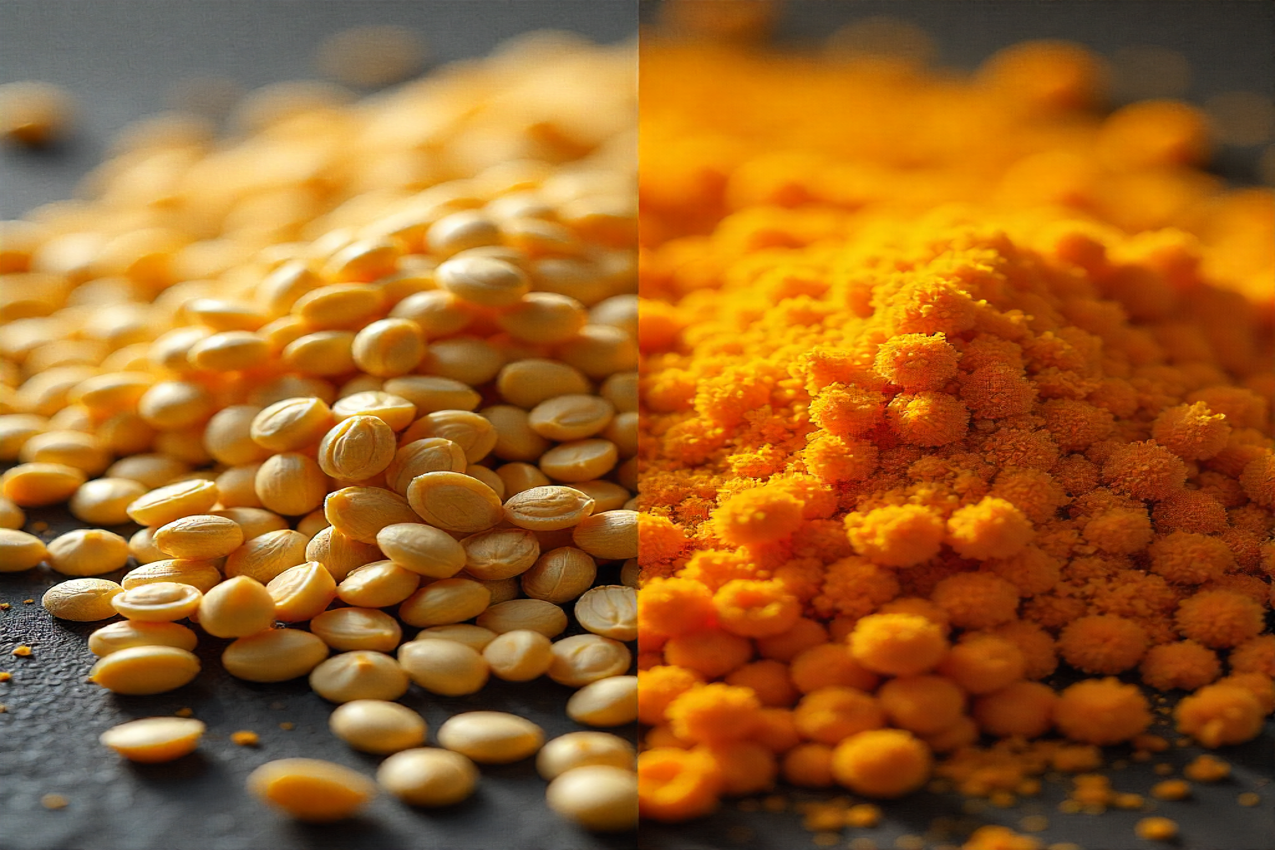
Some coriander seeds smell wildly more citrus-floral. Coincidence? Nope. It’s chemistry powered by genetics, climate, and post-harvest smarts....
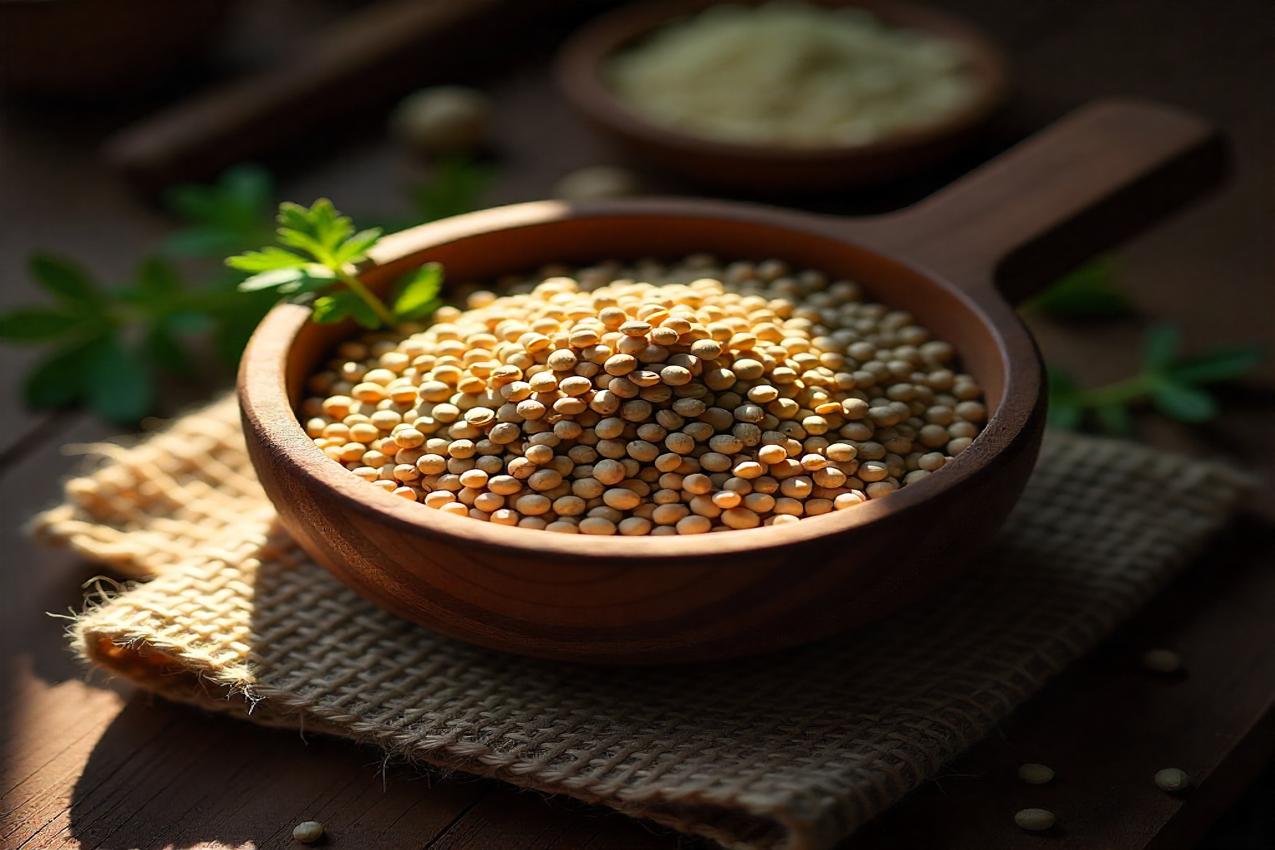
Your spice rack is hiding a wellness plot twist. Premium coriander seeds carry micronutrients and antioxidant punch you can actually taste. Let’s start with vitamins and minerals. Coriander seeds provide notable calcium, magnesium, potassium, iron, and zinc, with exact figures varying by source, origin, and grind.
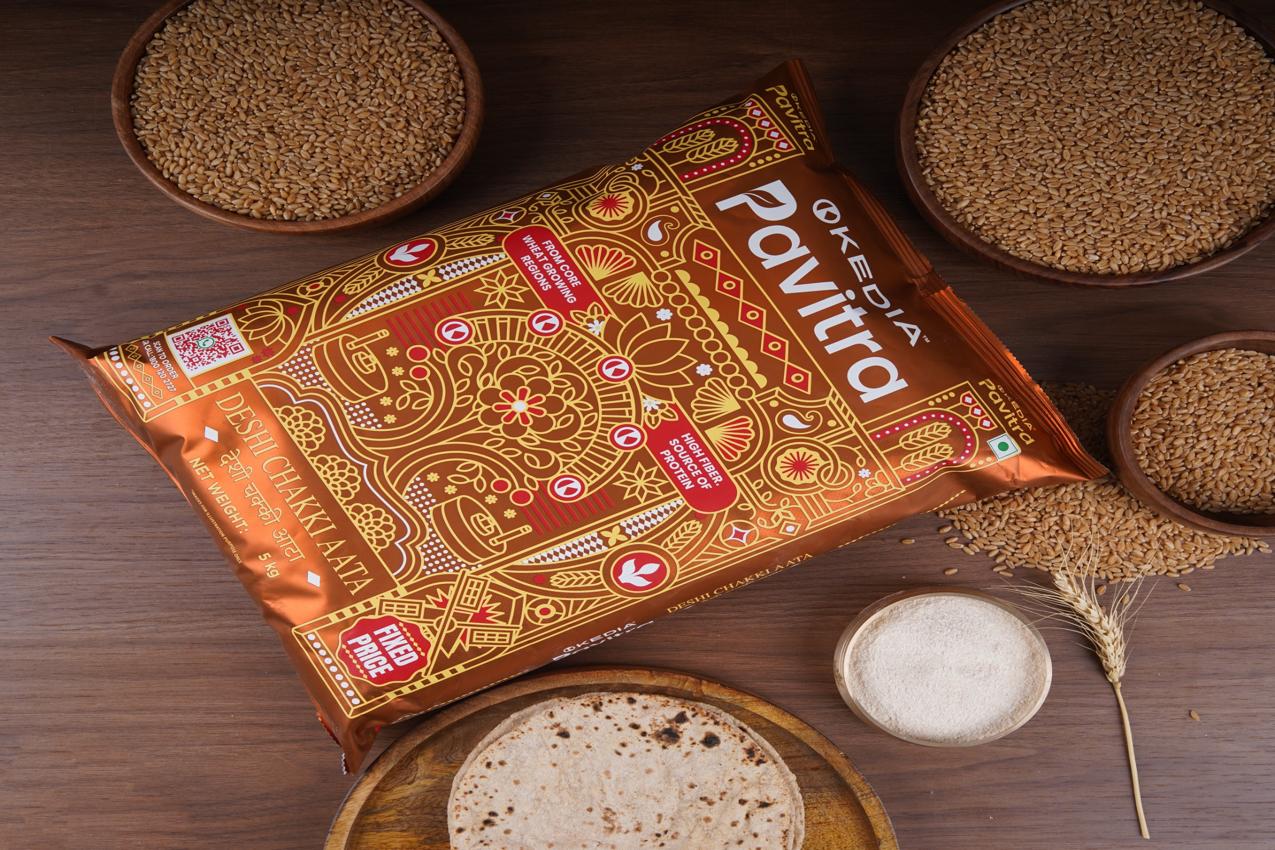
When it comes to gut health, people often run after fancy foods—quinoa, chia seeds, oats. But sach kahun, the real hero has always been in our kitchen: chakki atta. Whole wheat flour, when stone-ground, keeps the bran and germ intact—the very parts that naturally support digestion.
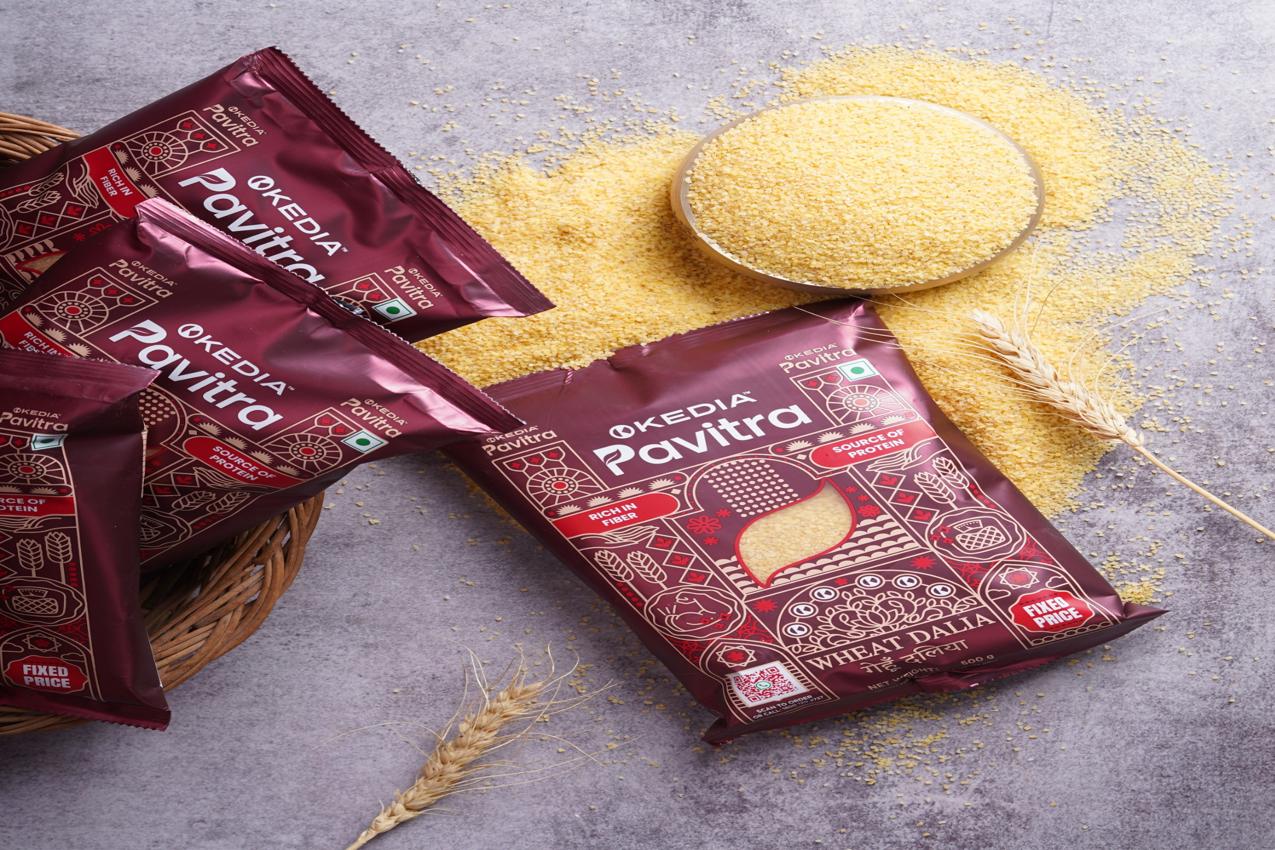
When we think of sports nutrition, the first images that come to mind are protein shakes, energy gels, or fancy supplements. But have you ever thought that a simple bowl of dalia—yes, our humble broken wheat porridge—can actually play a role in an athlete’s diet?
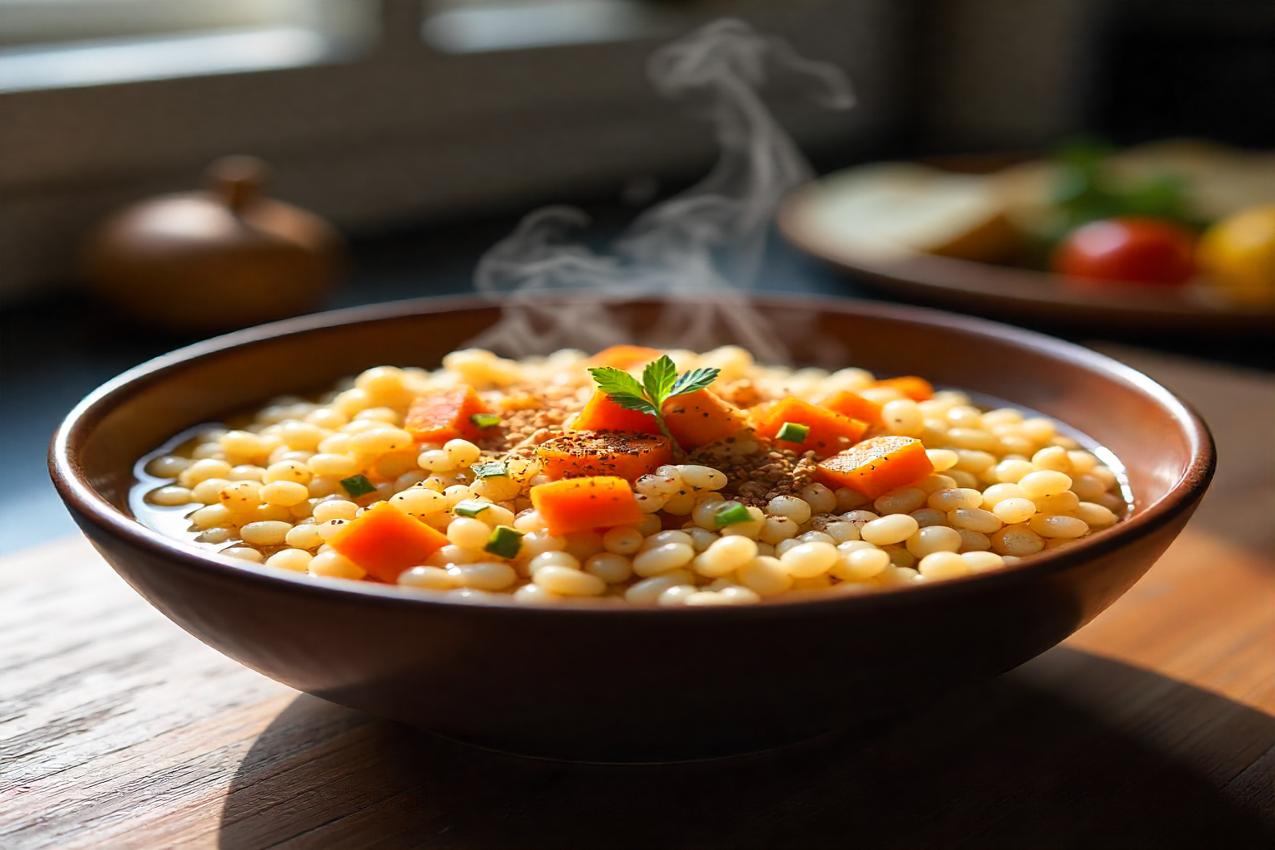
Ever ate Dalia? Chances are, yes. Be it that comforting home cooked porridge, a light upma, or a wholesome khichdi, wheat dalia has been sitting in our kitchens for generations. It’s one of those simple, no-fuss ingredients that grandmothers always trusted.
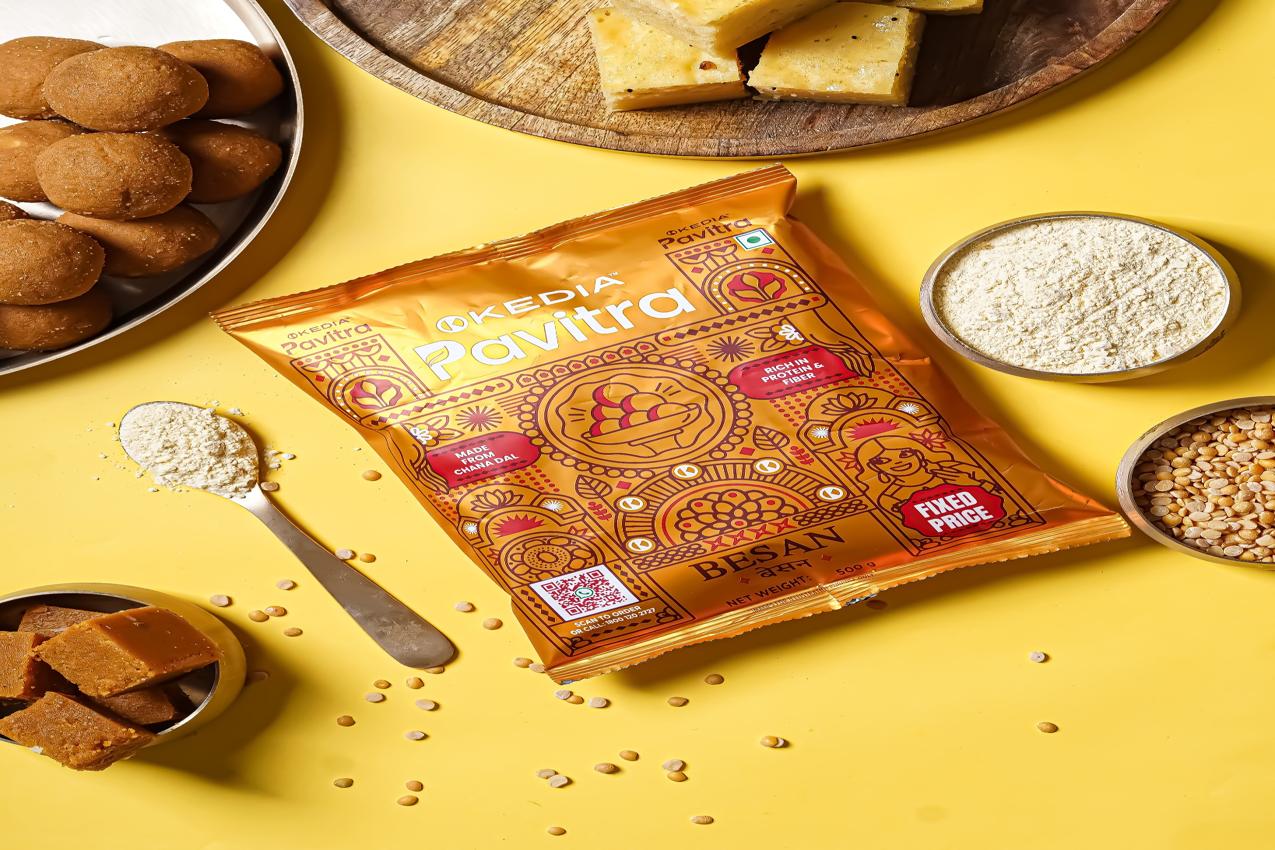
When someone mentions a pakoda-filled evening or besan chilla for breakfast, it instantly brings to mind a comforting image—the golden flour we call besan. Also known as gram flour or chickpea flour, it is made by grinding dried chickpeas (chana dal). From crispy fritters to melt-in-the-mouth laddoos, besan has been part of Indian kitchens for centuries.
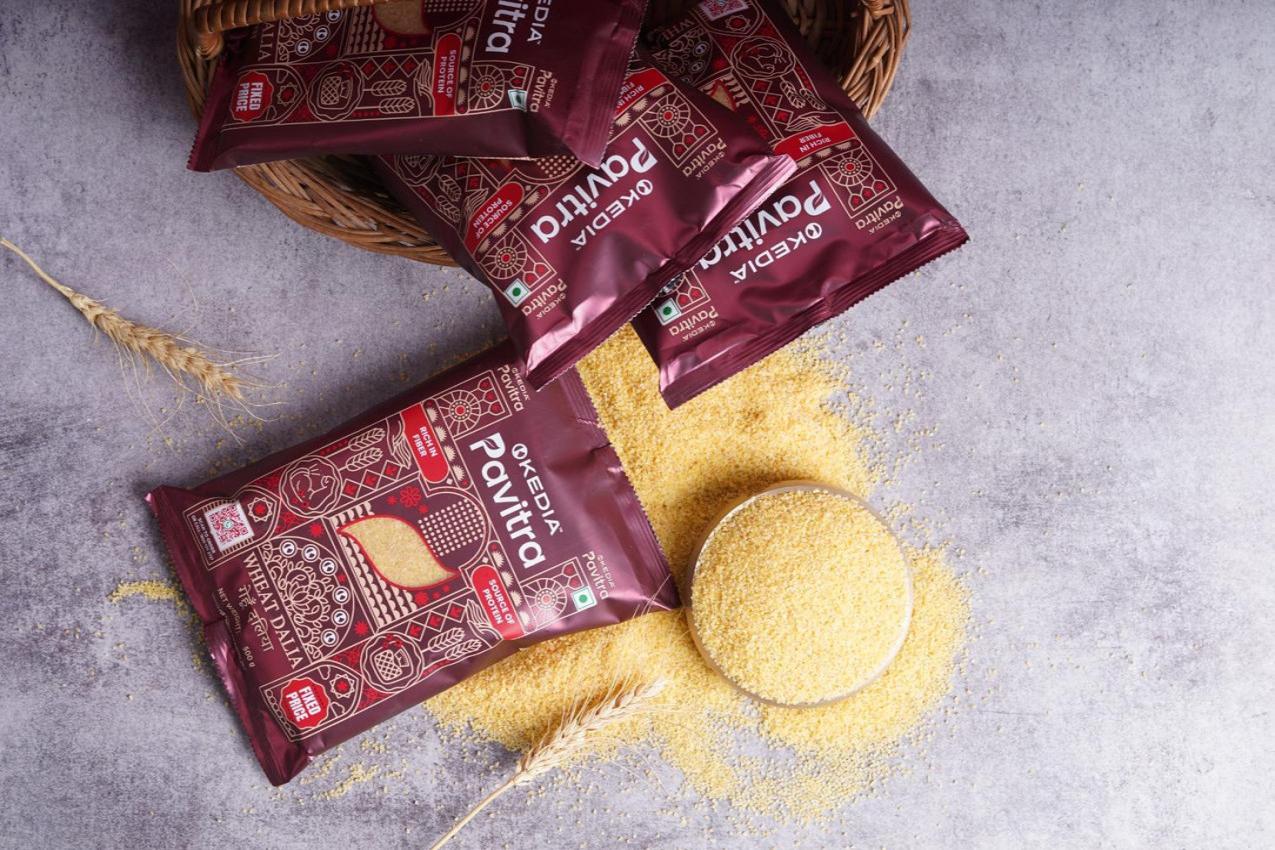
Both Ayurveda and folk wisdom long emphasized digestion as the foundation of health. When digestion is smooth, the body feels light, the mind stays clear, and energy flows naturally. For centuries, dalia—cooked slowly into porridge or khichdi—has been recommended as a food that supports this balance. Modern nutrition explains why.
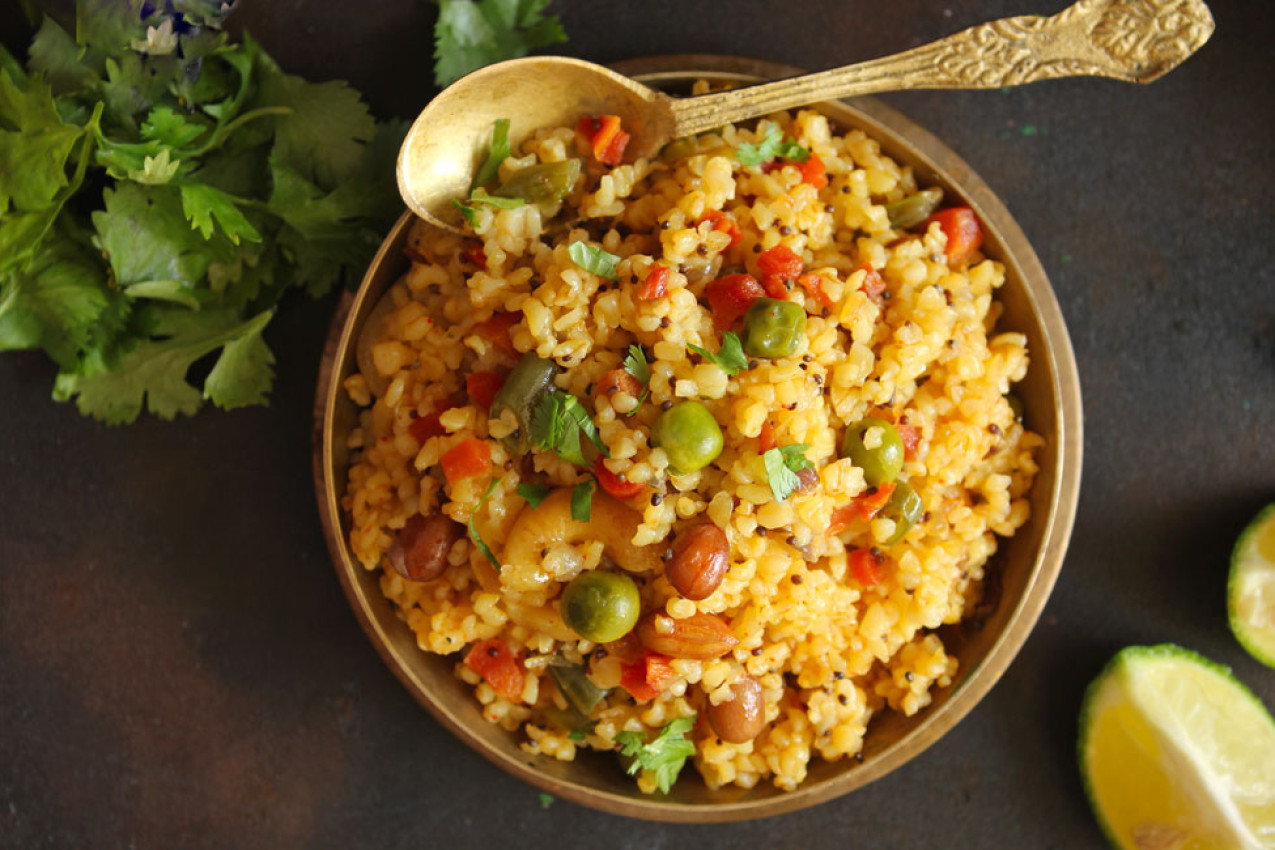
When people think of protein, grains rarely come to mind. Eggs, dairy, lentils, or meat dominate the conversation. Yet grains like dalia, though modest in protein content, still play a quiet but important role in daily nutrition.
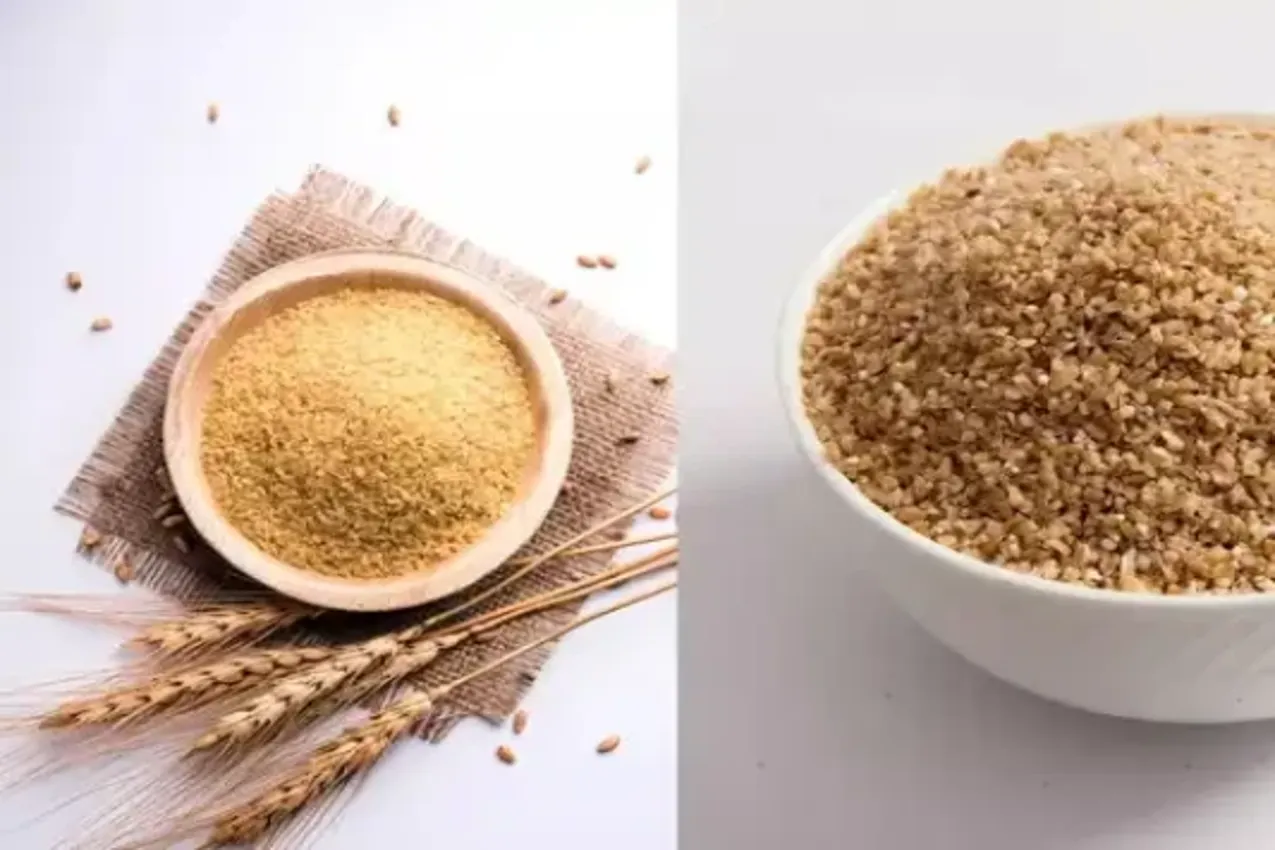
When nutritionists talk about fiber, they often describe it as the “invisible helper” in our diet. Unlike proteins, fats, or sugars that are absorbed into the bloodstream, fiber moves through the digestive tract largely unchanged—yet along the way, it influences digestion, satiety, and even the microbial balance of the gut.
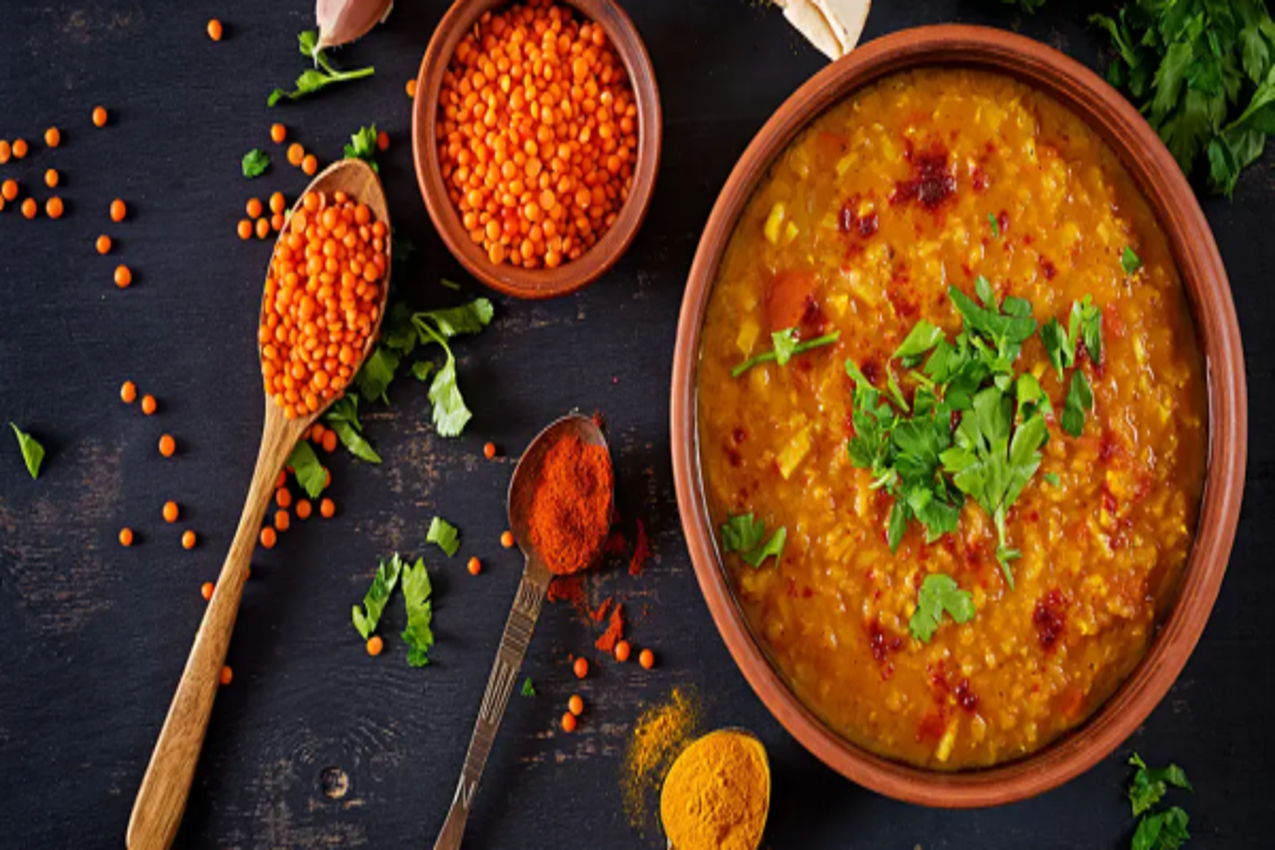
Popular nutrition debates have tended to paint carbohydrates with a broad brush. For some, they are the villain—responsible for weight gain and energy crashes. For others, carbs remain as the primary source of energy for the body, indispensable to daily life. The truth, according to research, lies somewhere in between....
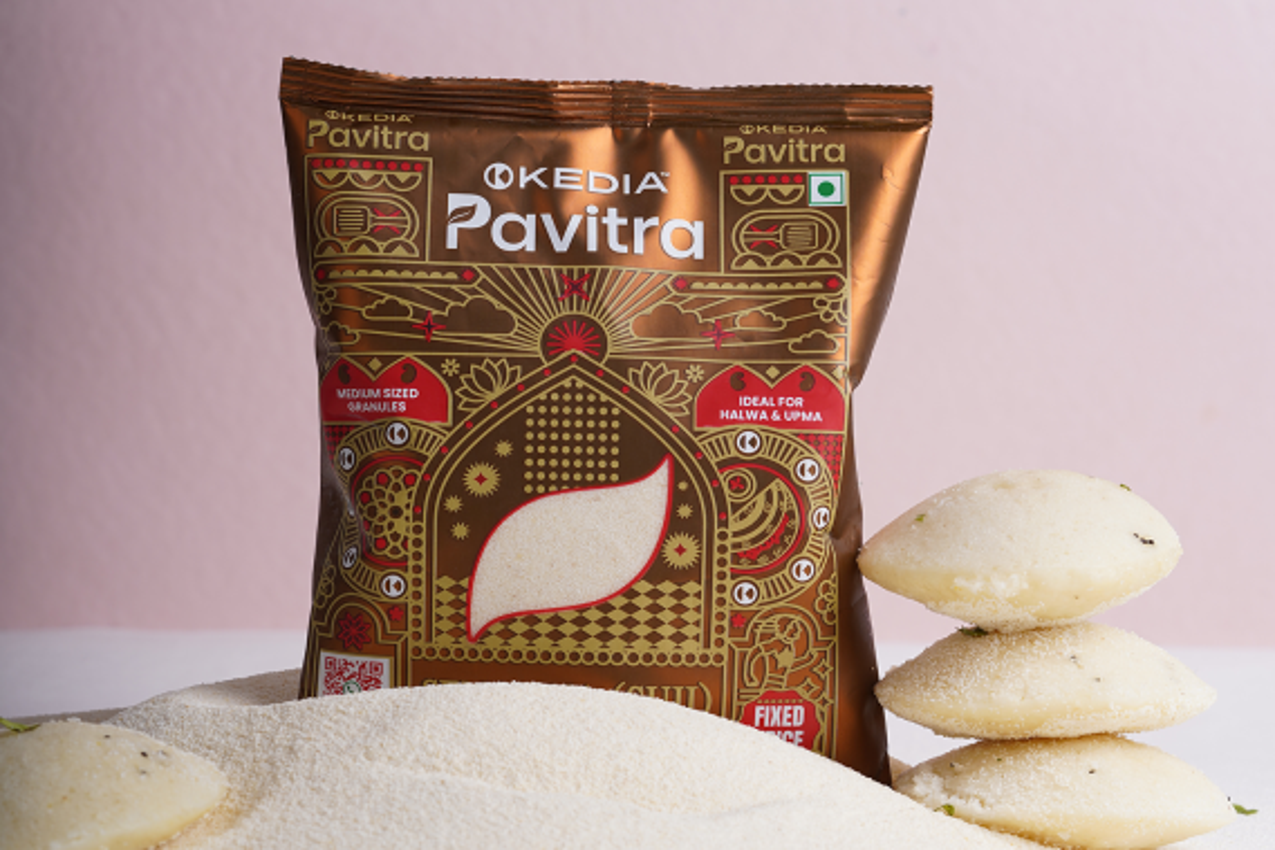
Semolina, the golden grain made from wheat, has long been cherished for its versatility. From steaming bowls of halwa at festivals to a simple upma on hurried mornings, it carried warmth and nourishment. What earlier generations felt through experience, science now helps us articulate.
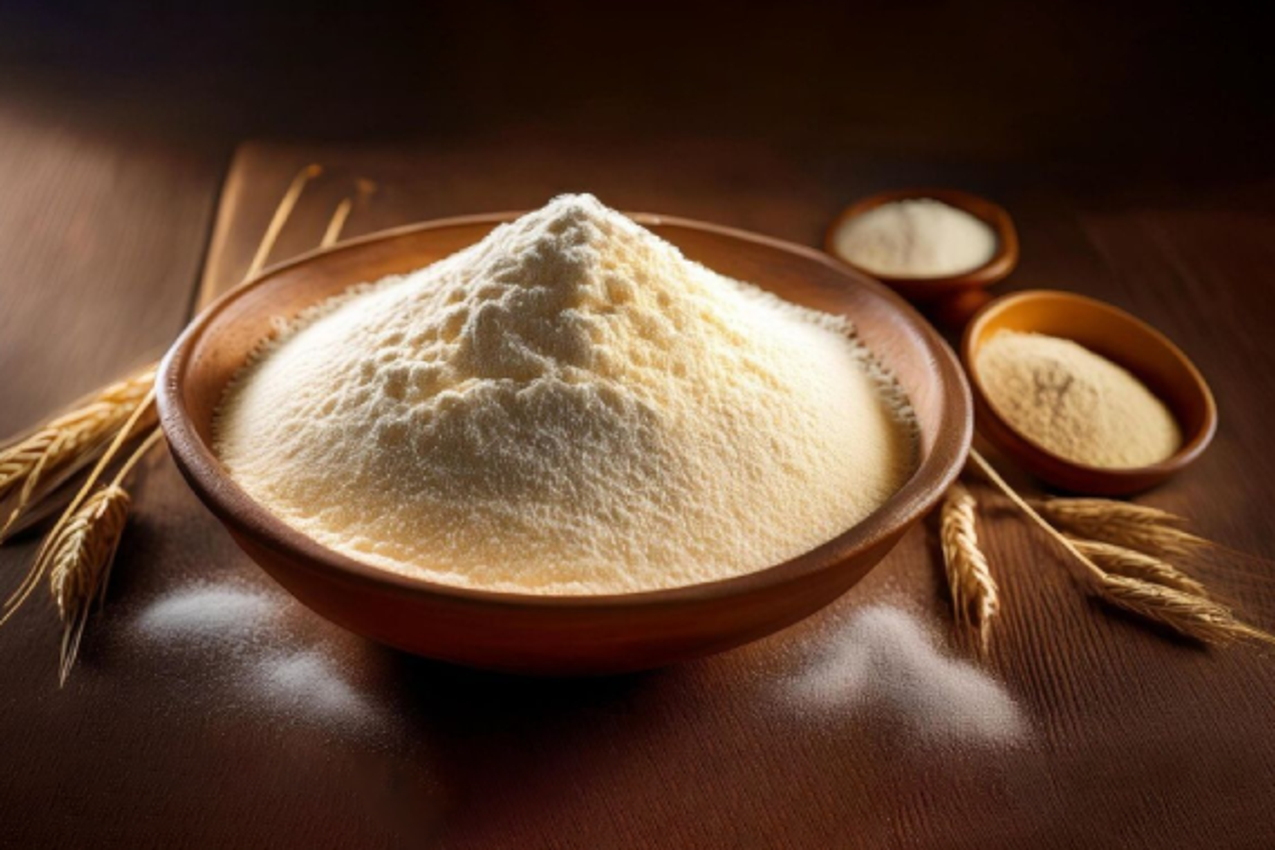
In kitchens across India, semolina (suji or rava) has been a grain of quiet endurance. From upma to porridge, it nourished mornings, festivals, and long working days. People relied on it instinctively, though they rarely explained why. Today, science helps us understand what tradition always sensed.
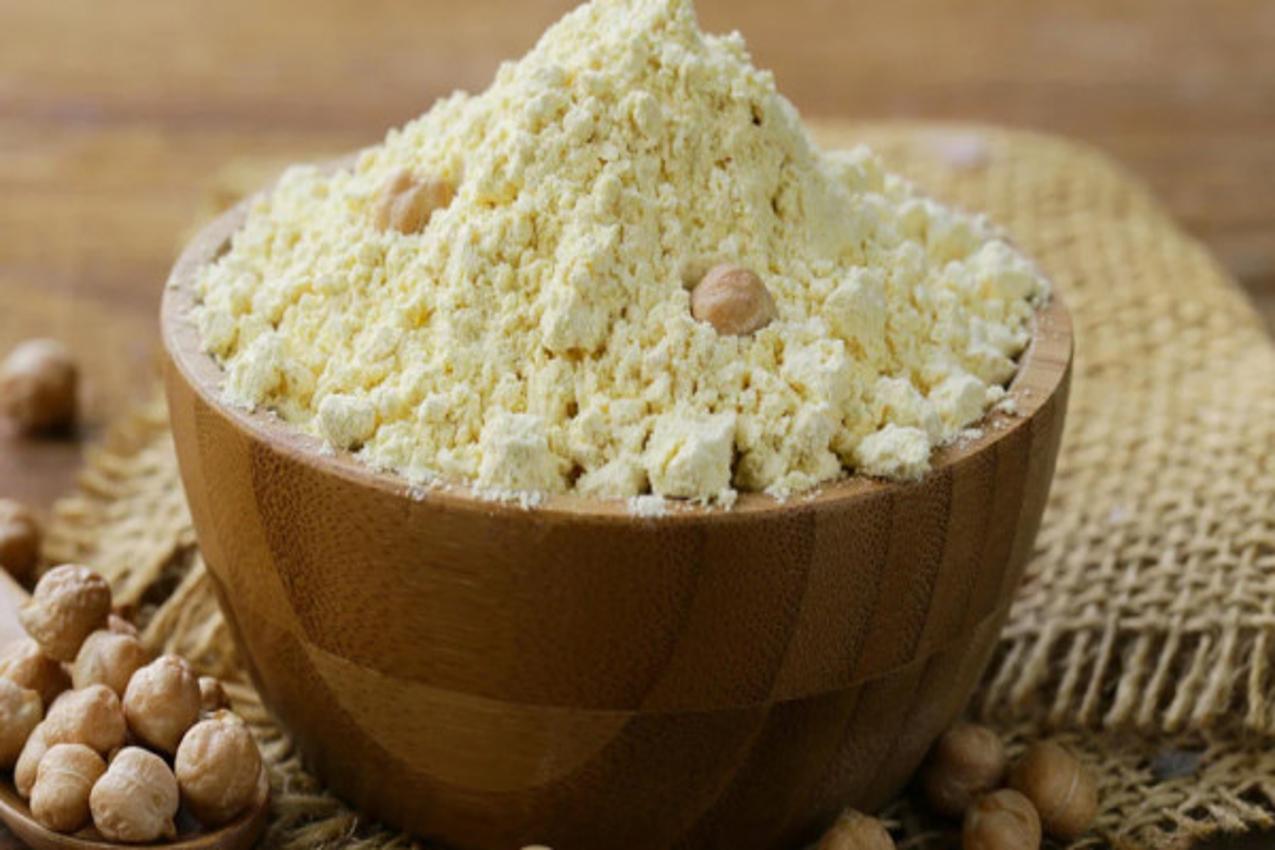
Did you know a bowl of kadhi holds more healing power than it seems? The answer lies in besan. When the monsoon clouds are brewing and kitchens are filled with the sound of kadhi simmering in clay pots, the smell is very healing. Science suggests that besan is high in soluble fiber, which supports digestion and manages cholesterol.
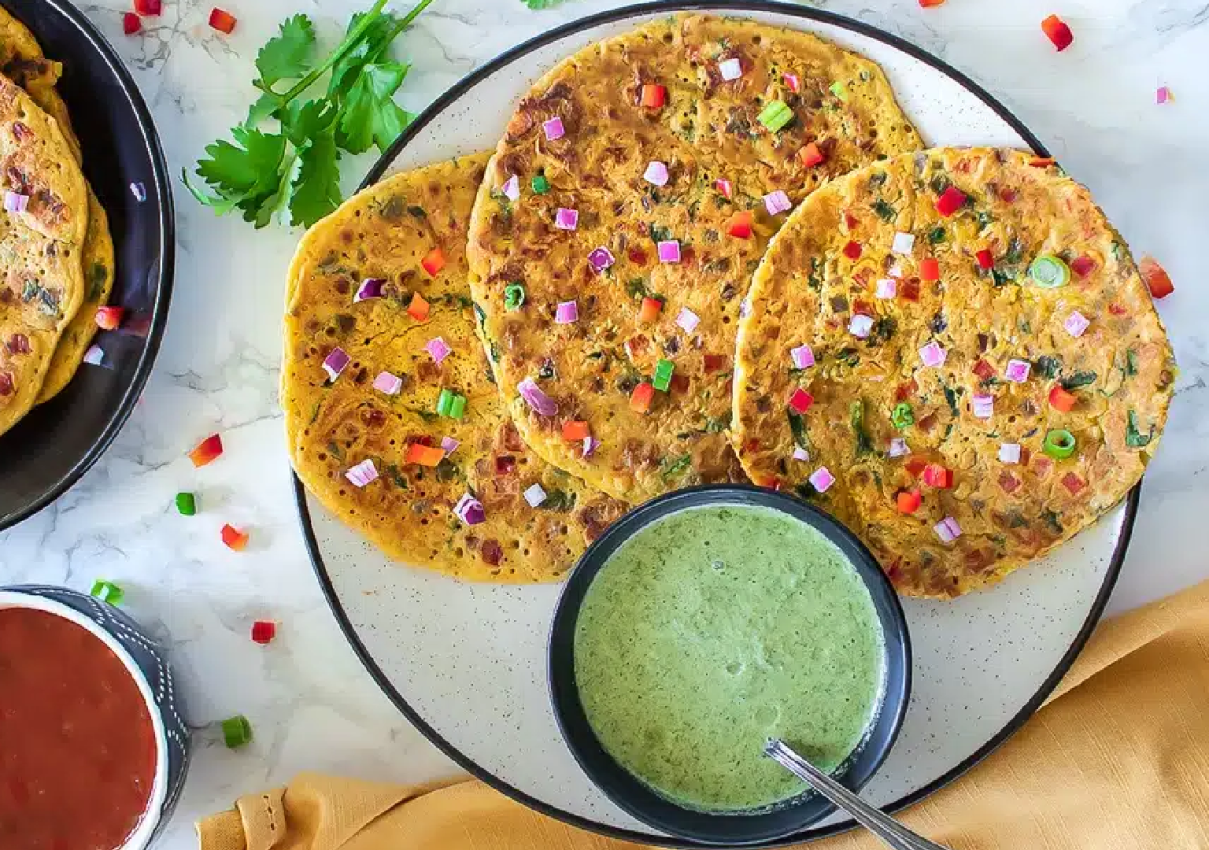
Households were already well aware of the value of nutrition long before laboratories began to compile nutrition charts and percentages. And within every grain of this golden flour rests a secret, which generations bore onward—a truth that gave life in the fields, in the home, and in the rites.
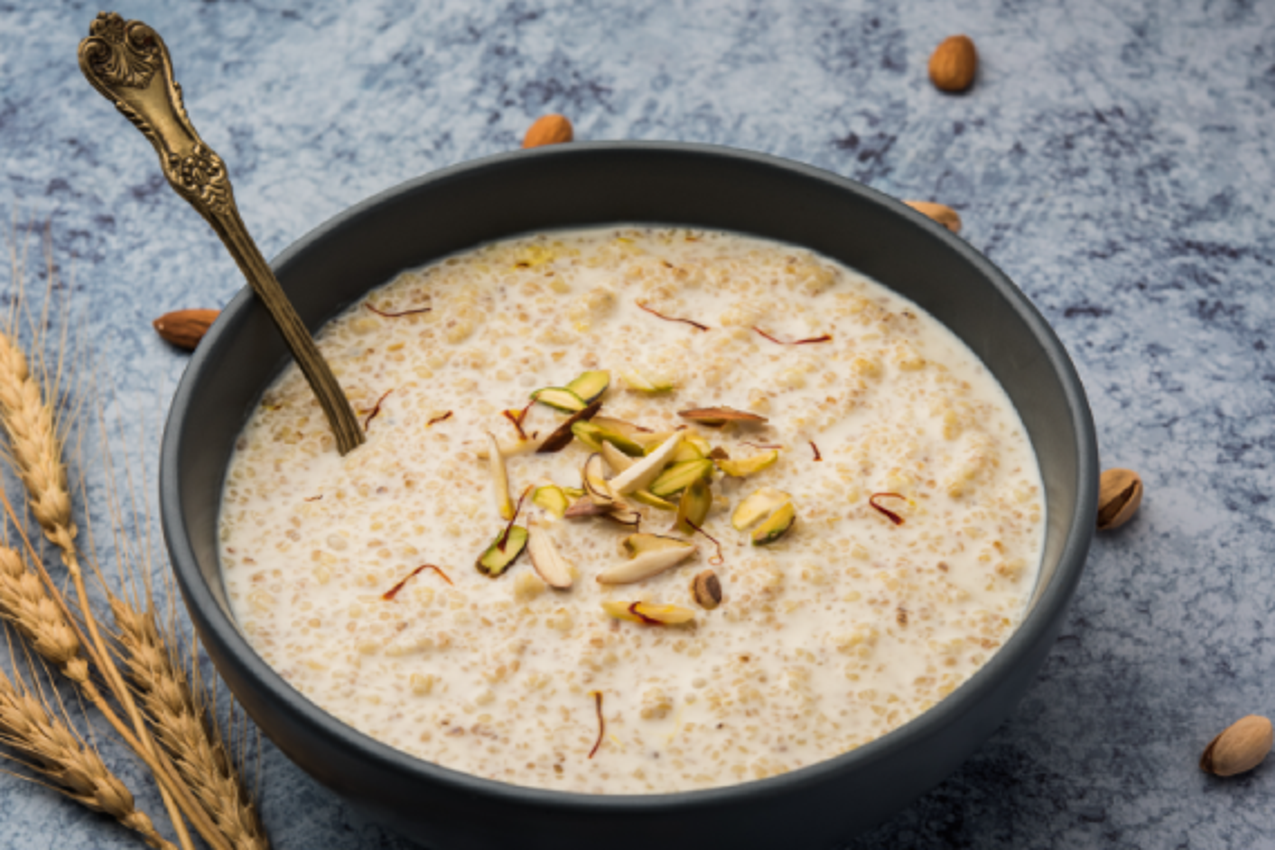
The morning sun streams into the kitchen where a mother is stirring dalia in a big pan. Her teenager, half-asleep, slurs, “Why not cornflakes, Maa? They look cooler.” She chuckles softly, “Beta, thoda cool ban’na hai ya thoda strong rehna hai?”
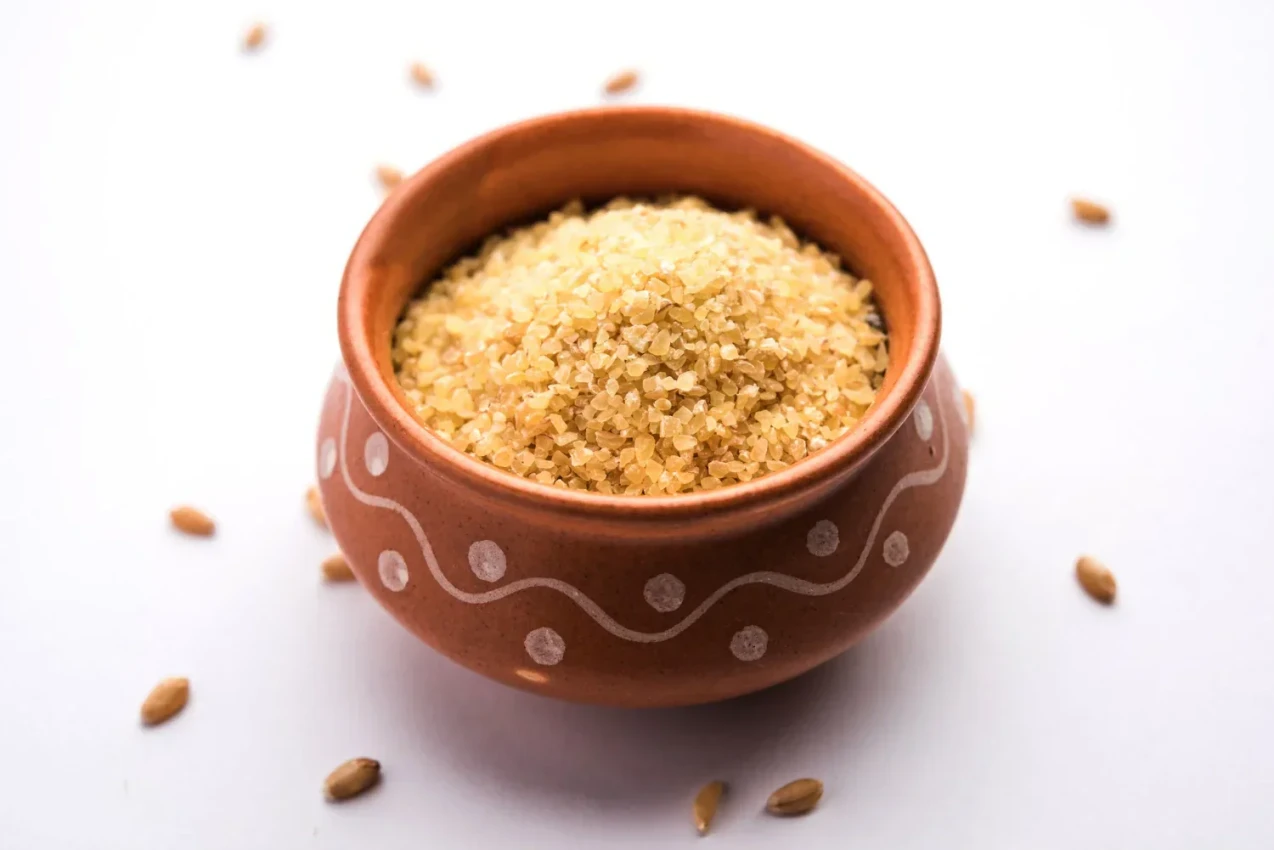
The pot simmers, releasing a nutty aroma as dalia roasts gently. A child leans against the counter, curious eyes watching. “Daadi, hum roz dalia kyun khate hain? Isn’t it too plain?” The grandmother stirs with care....
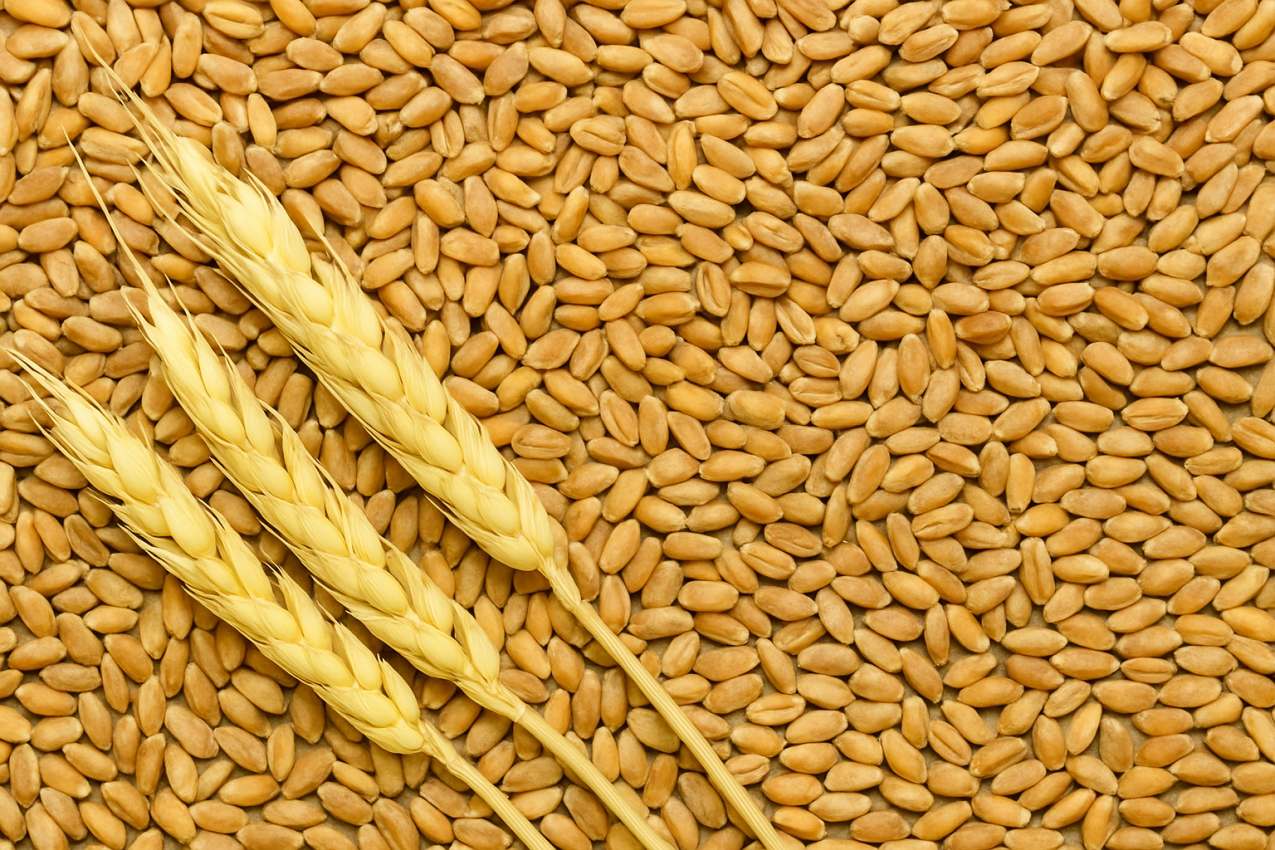
Why is this roti sweeter? That is a question that has been asked in homes over the years. The solution is always the same — Malwa region of Madhya Pradesh, where black cotton soil and golden sunshine combine to produce something really special: Sharbati wheat.
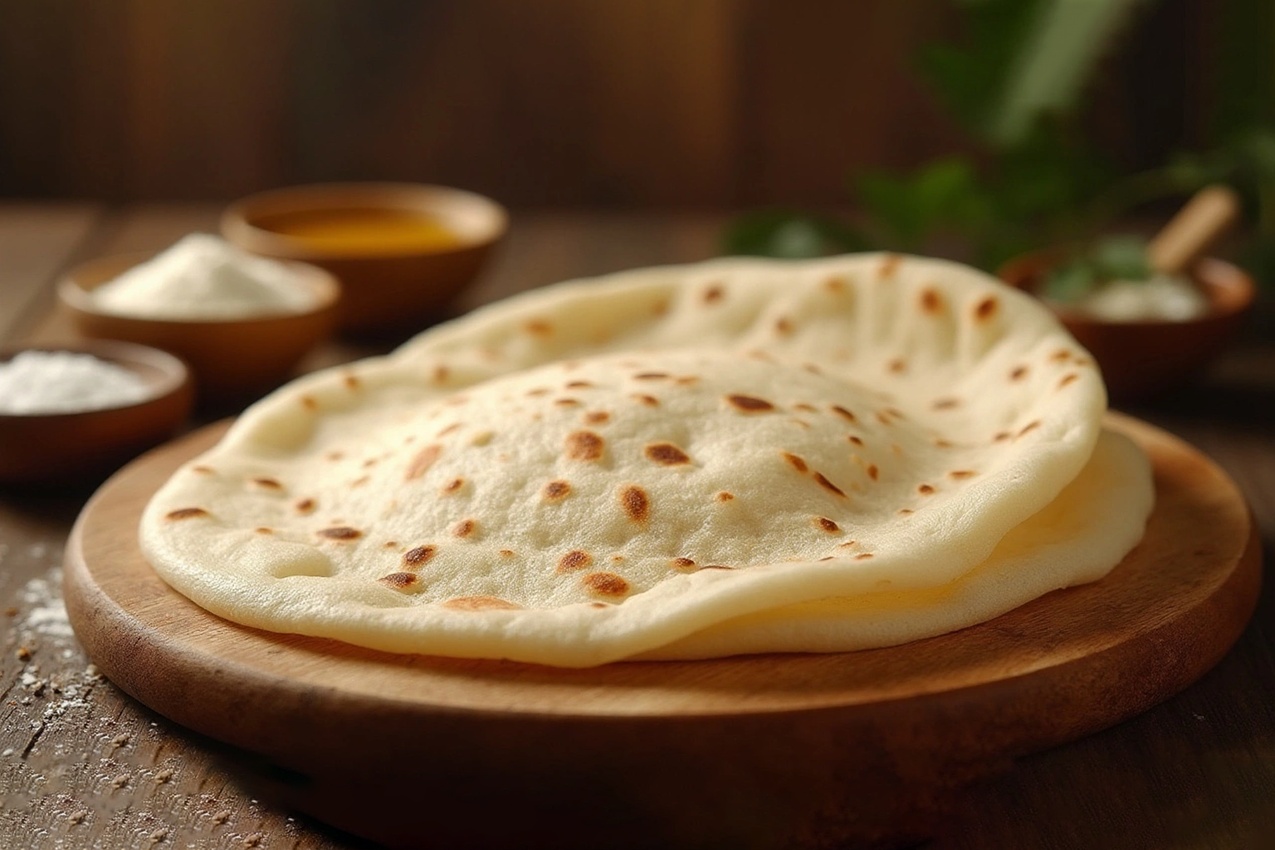
You’ve seen it, right? Some rotis go stiff by evening. They bend, but they crack. Sharbati rotis?...

Ever wondered why a farmer in the old days could survive the whole day with just a few rotis and some onions? It’s because chakki aata gives energy slowly, not in a sudden burst. Nutritionists call it “low glycemic index".
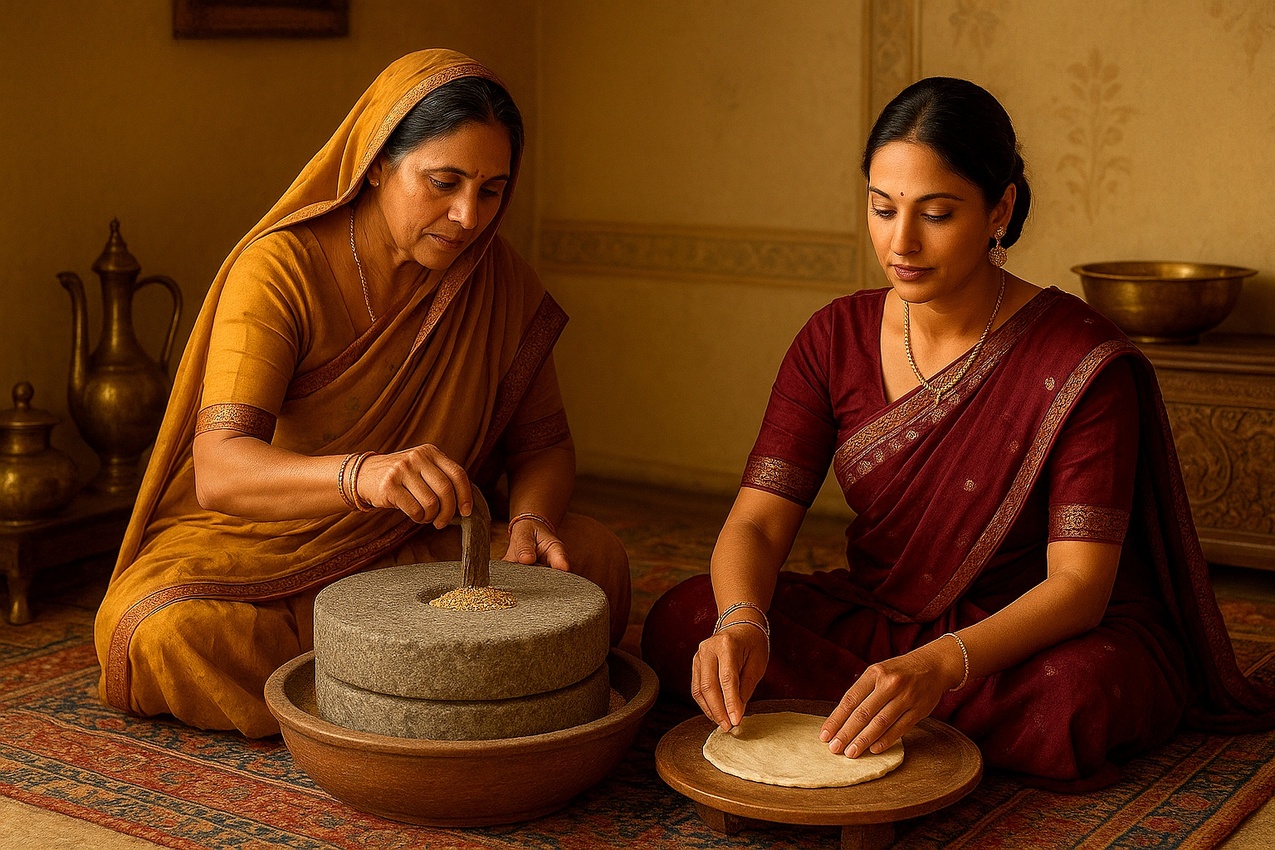
You know how everything today is “jaldi-jaldi”—fast food, fast internet, fast life? Well, flour also suffers when it’s made too fast. Roller mills grind wheat at such high speed that the grain gets hot… and when that happens, nutrients quietly disappear.
 App Store
 Play Store