
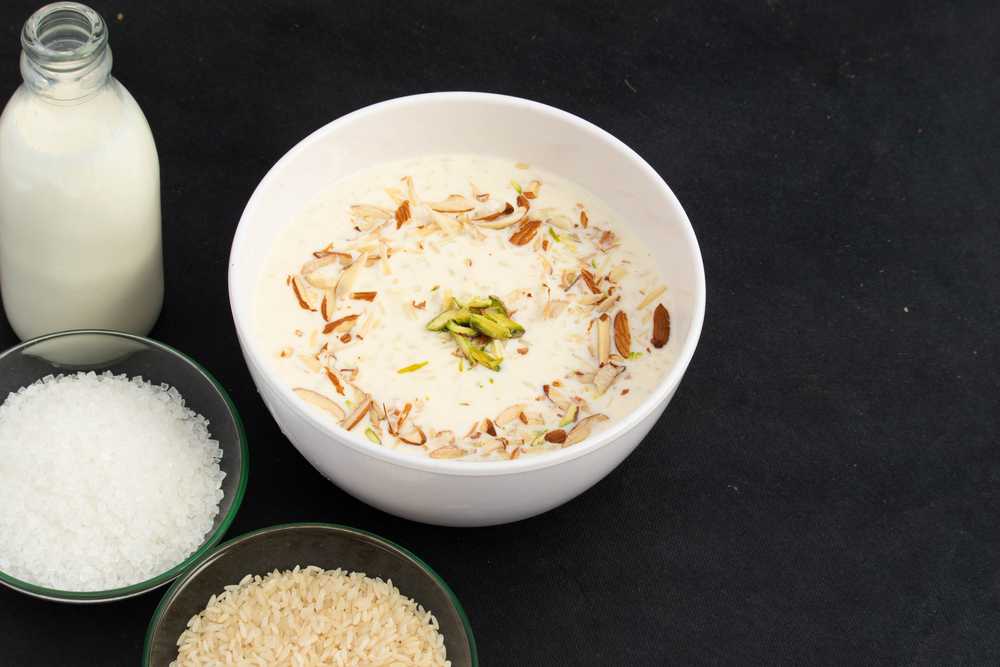
In the royal kitchens of the Mughals, where rosewater perfumed the air and silver platters shimmered under chandeliers, Phirni was born — a humble rice pudding elevated to luxury. Today, the Mughlai heart still beats in this creamy bowl, but the modern palate craves a twist. Enter: Pista Phirni — the perfect harmony of tradition and innovation.
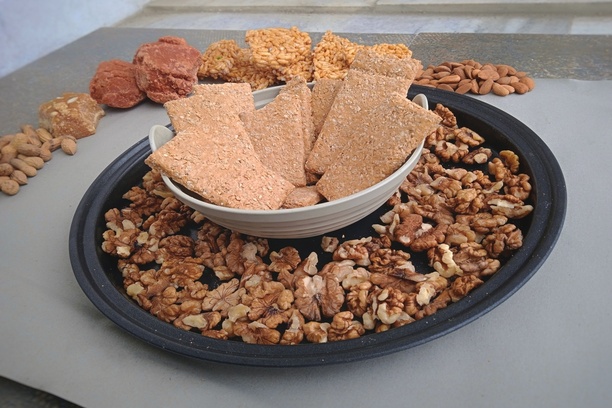
There’s something deeply nostalgic about chikki — that snap of sweetness wrapped in roasted nuts and molten jaggery. Across India, this humble treat marks festivals, fairs, and family tea-times. But when we swap peanuts for walnuts, magic happens — the result is a golden, glossy Walnut Chikki with Jaggery, where tradition meets nutrition.
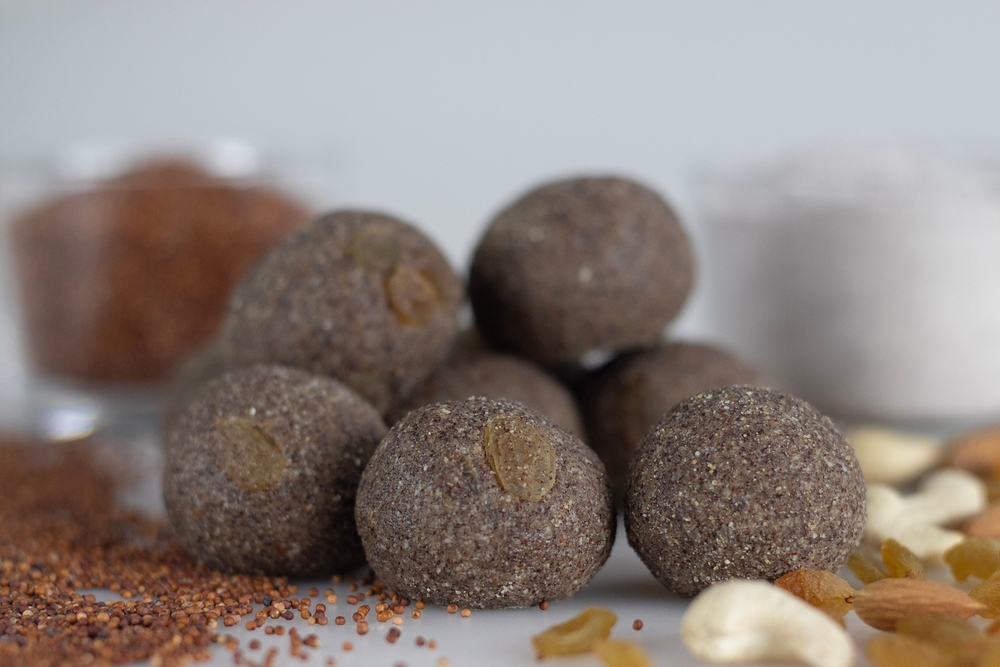
In every Indian kitchen, health has always begun in the palm of a hand — with small, powerful bites of nourishment. Our grandmothers didn’t need “energy bars” or “superfoods.” They had something better: ragi (finger millet) and raisins, blended with ghee and love.
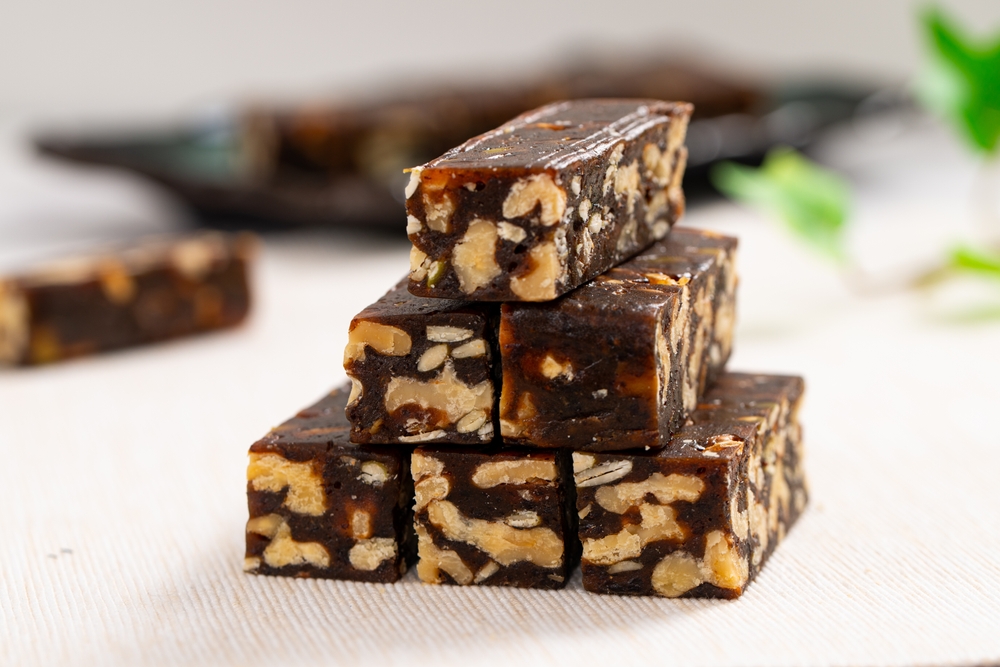
From yoga mats to office desks, modern life demands one thing — sustained energy. Instead of processed protein bars with long ingredient lists, imagine something pure, chewy, and power-packed: Walnut-Date Energy Bars — made in your kitchen with just a handful of Kedia Pavitra staples.
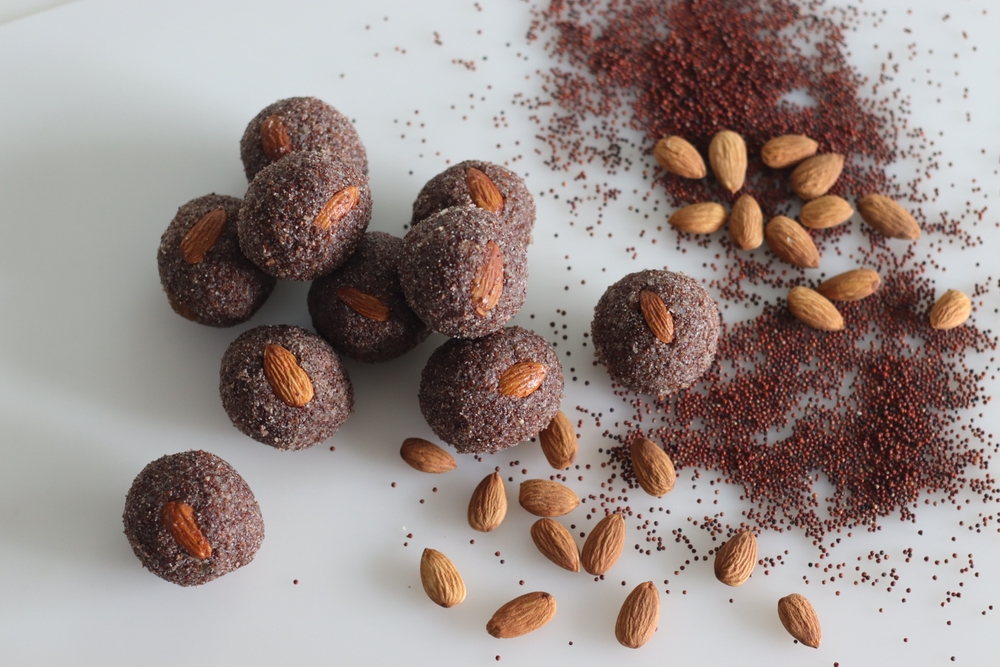
When winter winds whisper through the north, Indian homes turn to warm laddu — not merely sweets, but age-old tonics wrapped in aroma. Among them, Mamra Almond laddu stands unmatched for energy and purity.
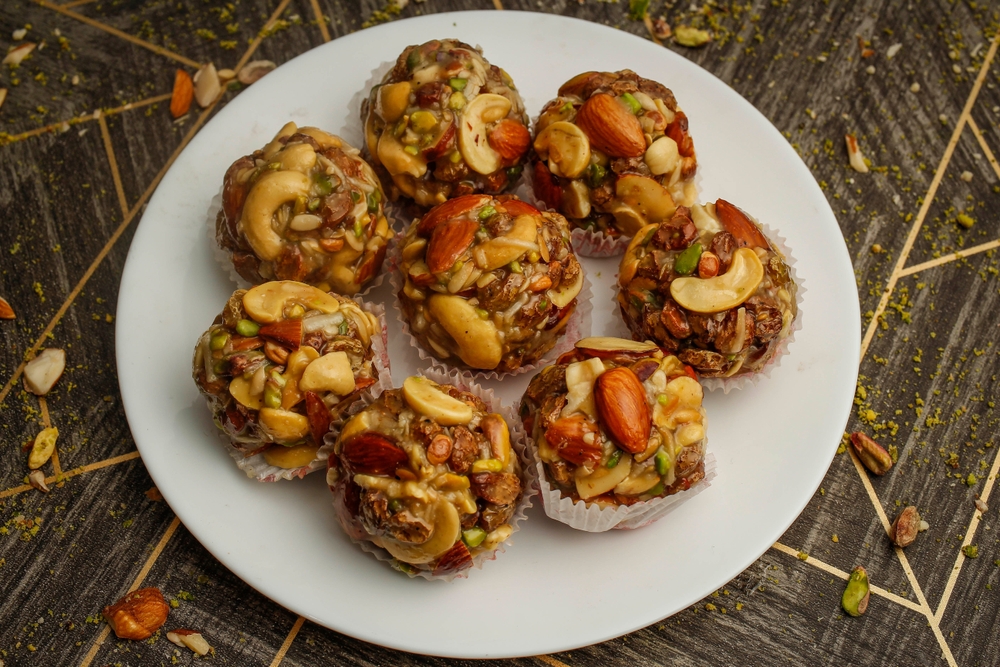
Festivals in India are not just dates — they’re emotions wrapped in aroma, colour, and generosity. And what better way to share love than through something you’ve made by hand — something nourishing, timeless, and delightfully festive?
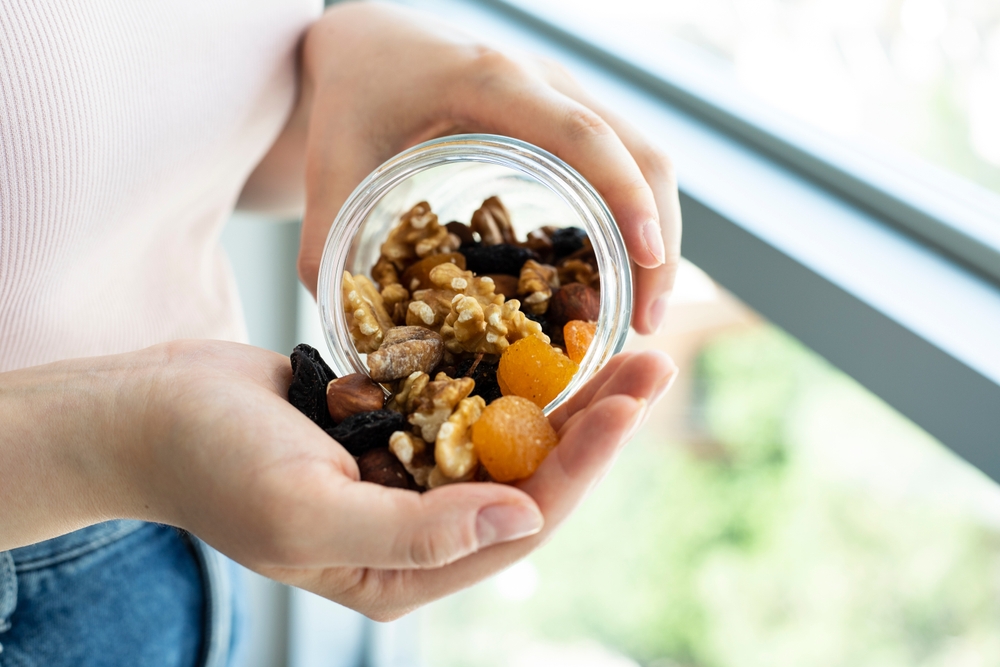
The festive season brings light, laughter — and a dash of gifting panic. You want something that feels thoughtful but not overdone, premium but personal. The answer?
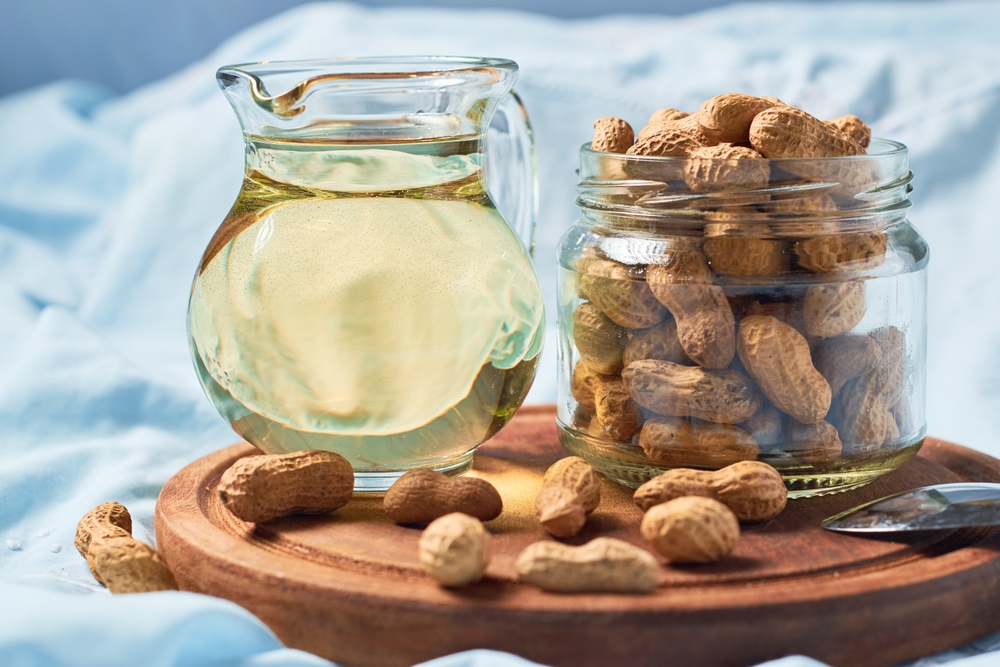
When you enter a true Indian kitchen, you can tell the oil even before you see it. The aroma lingers in the air — earthy, nutty, unmistakably familiar. That’s cold-pressed groundnut oil, one of India’s oldest cooking companions and arguably, its smartest.
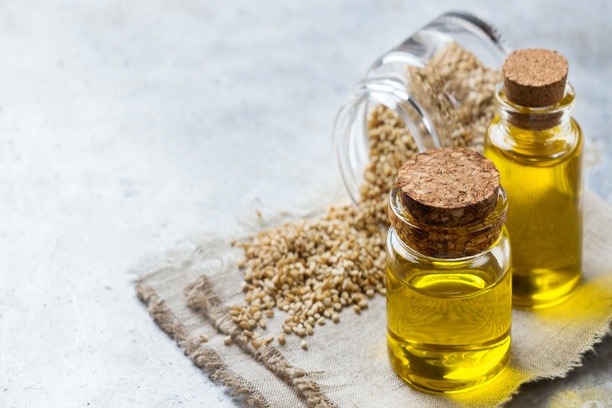
Every golden drop of sesame oil carries a secret — two mighty guardians of health called sesamol and sesamin. You may not find their names on everyday grocery labels. Yet, these natural compounds are quietly responsible for sesame oil’s reputation as one of the most powerful, antioxidant-rich oils known to humankind.
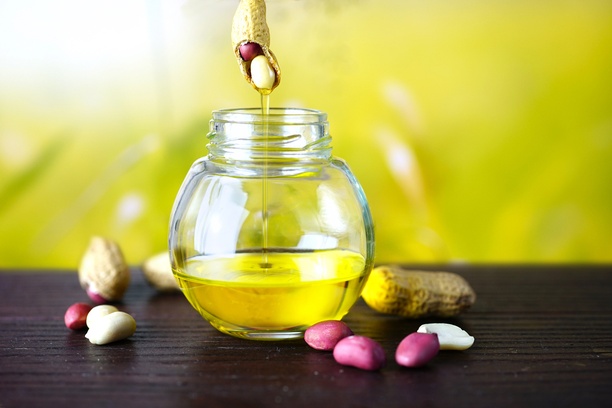
There’s a quiet brilliance hidden inside every drop of Cold-Pressed Groundnut Oil — something more than golden colour or nutty aroma. It’s the invisible protection of two powerful antioxidants that nature tucked inside every peanut kernel: Vitamin E and Resveratrol.
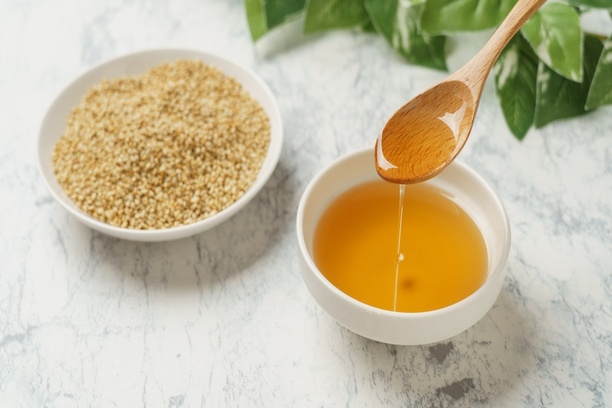
There’s something deeply nostalgic about the aroma of sesame oil sizzling in an iron kadhai. It’s not just the beginning of a recipe — it’s the start of nourishment. For centuries, Indian kitchens have trusted this golden oil for its earthy warmth and healthful richness.
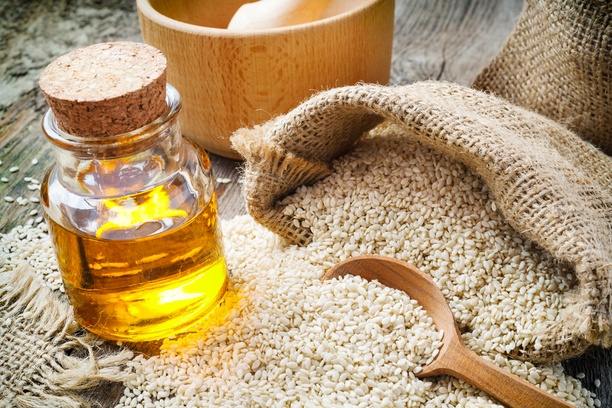
In the heart of every Indian household, there’s a simple, golden ritual that has outlived centuries — the touch of Til ka tel, or sesame oil. Warmed gently in a brass bowl, poured into cupped palms, and massaged with intention — this golden liquid is more than nourishment. It’s a conversation between body, mind, and spirit.
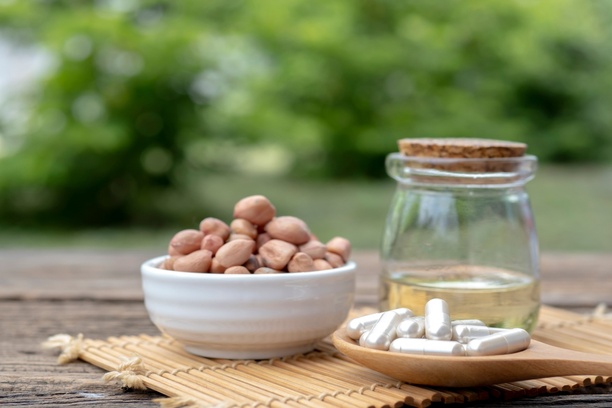
There’s a quiet revolution happening in Indian kitchens — a return to oils that care not just for taste but for the heart. Among them, one golden bottle stands out for its rich aroma and silent strength: Peanut Oil, India’s own MUFA powerhouse.
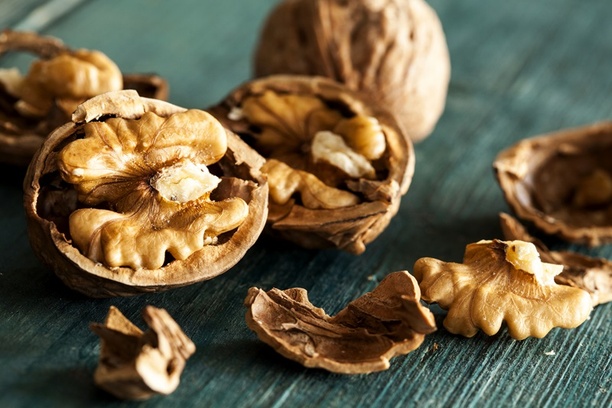
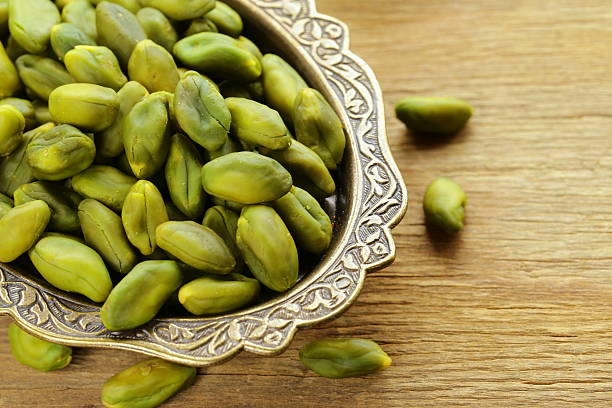
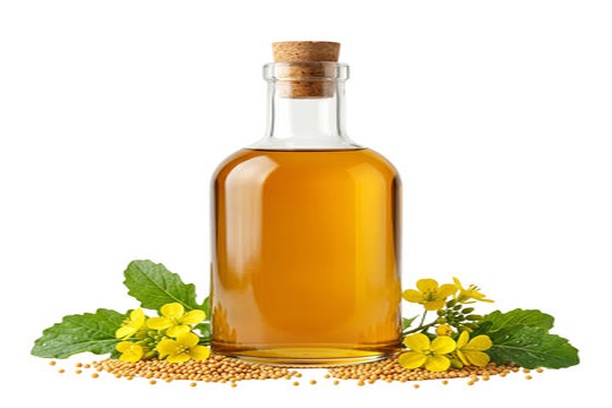
In the rustic heartlands of India, where brass pestles meet earthy seeds and mornings smell of warmth, one golden liquid has seasoned kitchens for generations — Kachchi Ghani Mustard Oil.
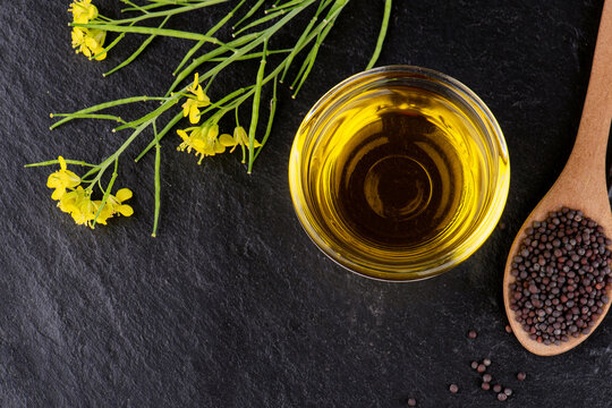
In every Indian home, the sizzling of mustard oil in an iron kadhai is more than a sound — it’s the heartbeat of health. For centuries, this golden oil has been trusted for its warmth, flavour, and healing energy. Today, modern science confirms what our ancestors always knew: mustard oil supports good cholesterol and overall heart vitality.
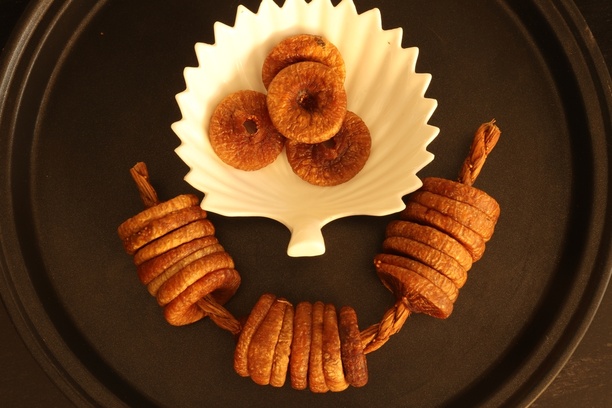
Every temple prasad tells a story — of devotion, purity, and balance. Among sacred fruits, anjeer (fig) holds a quiet yet powerful place. Its honey-sweet flesh and seed-filled heart have adorned thalis, offerings, and fast-day platters for centuries.
Long before modern nutrition began analysing fats and metabolism, Ayurveda had already classified foods based on energy and elemental qualities — guna and dosha. Among the oils revered for their vitality stood one golden, aromatic constant: mustard oil, or Sarshapa Taila.
 App Store
 Play Store


