
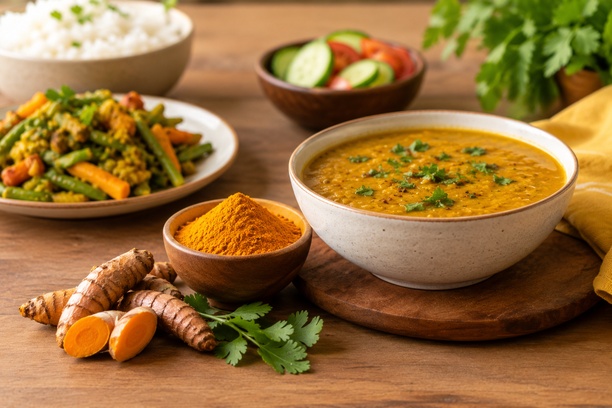
Turmeric has a permanent place in many Indian kitchens. A small pinch can turn a simple dal golden, add warmth to vegetables, and bring its familiar earthy aroma to countless everyday dishes.
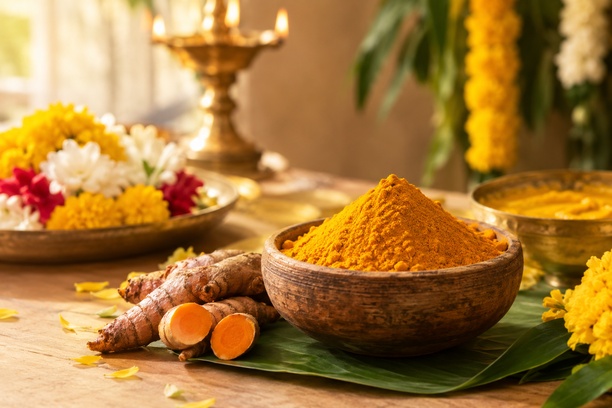
Long before turmeric became a popular ingredient in modern wellness routines, it had already found a special place in Indian homes, celebrations, and traditions.
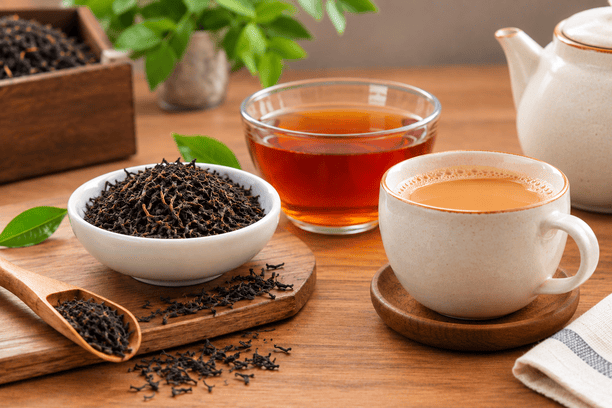
A good cup of tea begins long before the water reaches a boil. The quality of the tea leaves plays an important role in determining the color, aroma, flavor and overall experience of your cup.
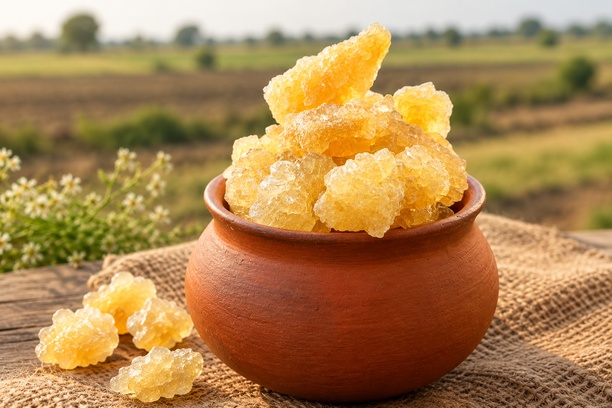
In Indian households, some ingredients are more than just food. They carry traditions, memories, and stories passed down through generations. Mishri is one such traditional sweet that has held a special place in Indian culture for centuries.
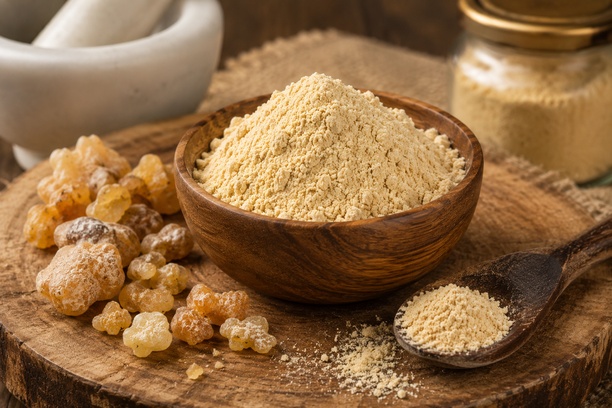
Hing, or asafoetida, is one of the most concentrated spices in an Indian kitchen. A very small quantity can add a distinctive aroma and savoury depth to dal, vegetables, pulses, and tempering.
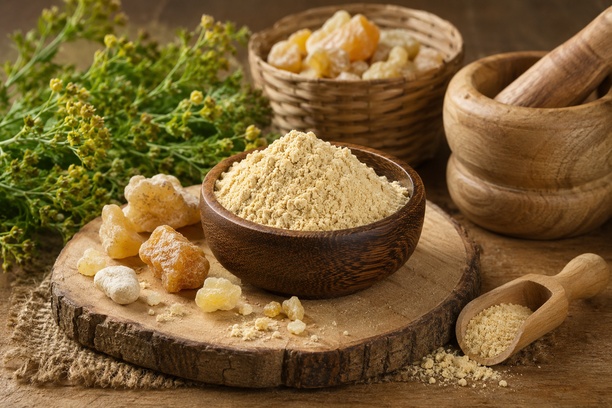
Hing, also known as asafoetida, is one of the most distinctive spices used in Indian cooking. Even though it is generally added in very small quantities, its strong aroma and concentrated flavor can transform an ordinary meal.
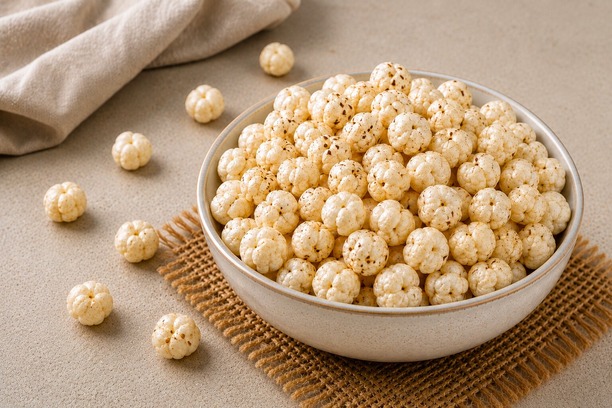
Snacking has always been an important part of Indian food culture. From namkeen with evening tea to homemade snacks during festivals, we have always enjoyed something crunchy between meals. But today's snack choices are changing. People increasingly want food that is convenient, flavorful, and made with simpler ingredients.
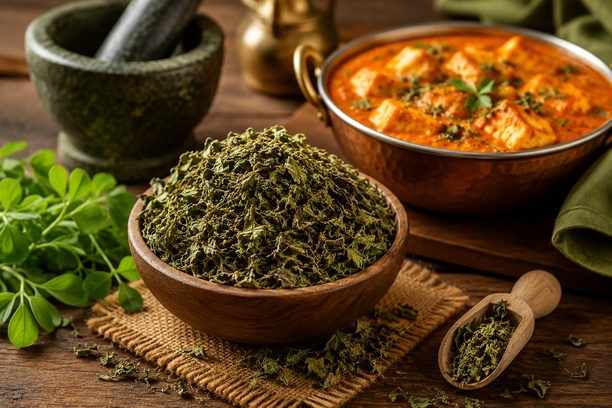
The Indian cuisine is rich with ingredients that not only have an exquisite taste but also have their own memories, folklore, seasonal cooking and much more.
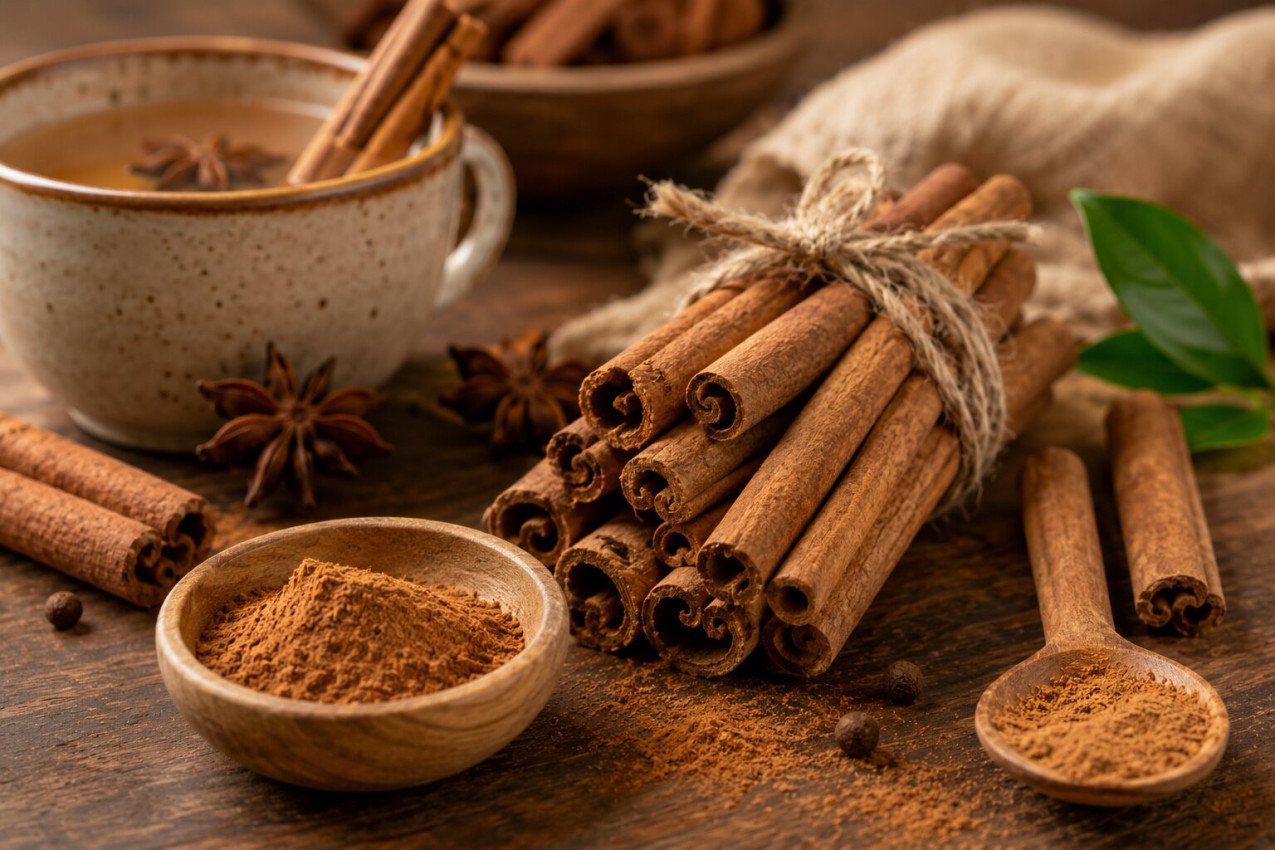
Cinnamon, or dalchini, is one of the most familiar spices in Indian kitchens. Its warm aroma and mildly sweet flavor can make even a simple dish smell and taste special. From a hot cup of masala chai to pulao, biryani, desserts and baked foods, cinnamon is used in many different ways.
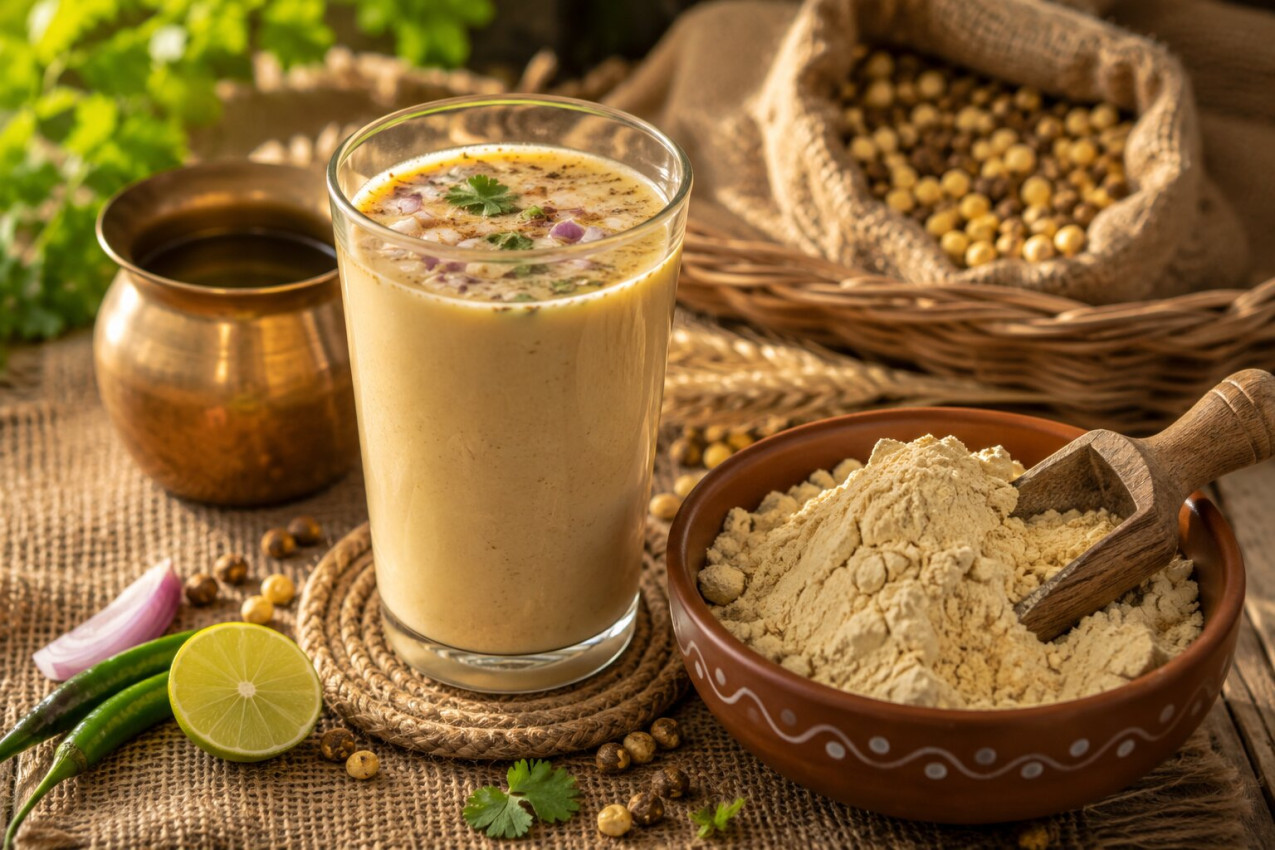
On a hot summer afternoon, when the sun is at its strongest, few traditional foods feel as comforting as a cool glass of sattu. Simple, rustic and deeply connected with everyday Indian life, sattu has been enjoyed for generations.
Sardi ki halki dhoop, angan mein bichhi charpai aur haath mein garam-garam moongfali — yeh scene India ke kai gharon aur gaon ki purani yaadon ka hissa raha hai. Moongfali sirf ek simple snack nahi, balki desi zindagi ke un chhote moments se judi hai jahan log khane ke bahane saath baithte, baatein karte aur waqt bitate the.
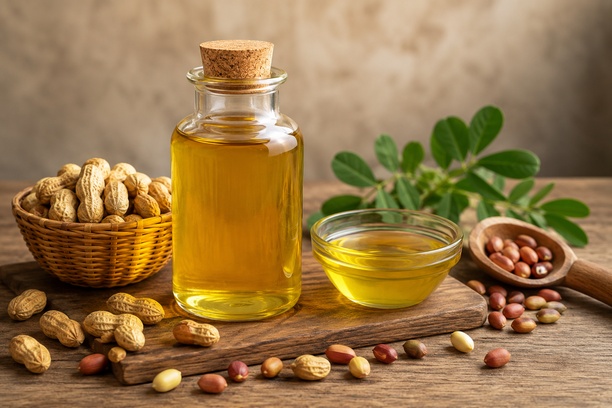
Groundnut oil has been a part of Indian households for decades. The natural fragrance, flavor, and utility of groundnut oil make it appropriate for use in the preparation of sabzi and daal to frying and sautéing. However, there are so many cooking oils available today that it might become difficult to discern the quality of groundnut oil.
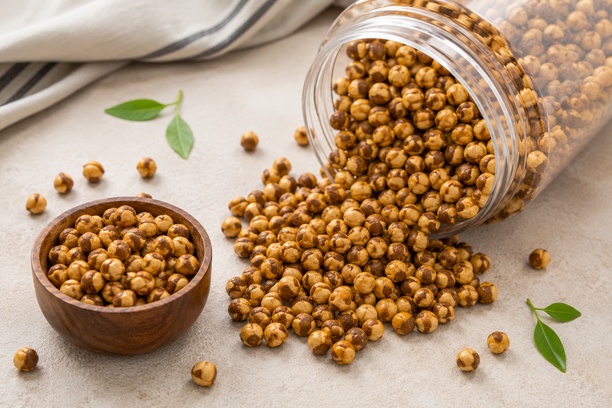
Speaking about the need to choose a snack which is not only tasty but nutritious at the same time, roasted chana turns out to be a simple and traditional option, which should become a part of the daily nutrition of all people. Roasted chana consists of chickpeas and is prepared in order to get crunchy texture naturally.
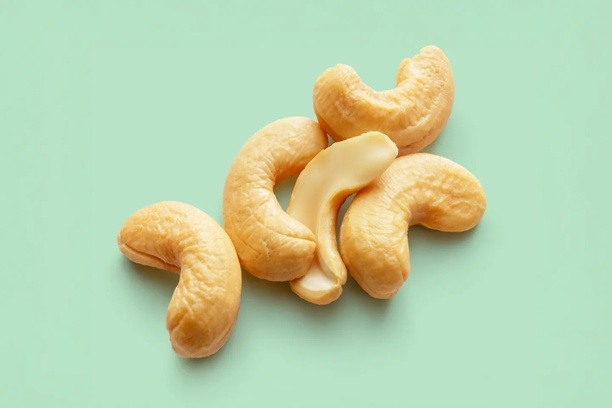
Cashews are renowned for their creamy texture, crunchy flavor, and naturally tasty flavors. However, when purchasing cashew nuts, what are the criteria by which you could distinguish high-quality from lower-quality cashew nuts? Contrary to other types of food, there is no home test by which you could establish whether your cashew nut is an “original.” There are, however, a number of ways through which you could detect your cashew nuts. Here is a simple Pavitra Test for identifying cashews.
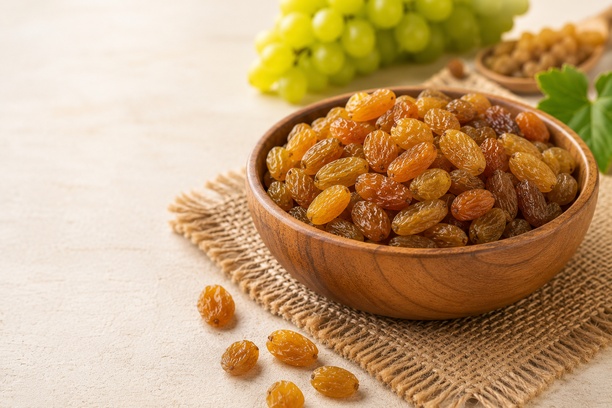
Raisins, popularly known as kishmish, are not merely an ingredient that adds natural sweetness to cakes and festive delicacies. Raisins, made by dehydrating grapes, contain many nutrients that are naturally found in grapes. The small size, long shelf life, and the natural sweetness of raisins enable them to be included easily in daily diets.
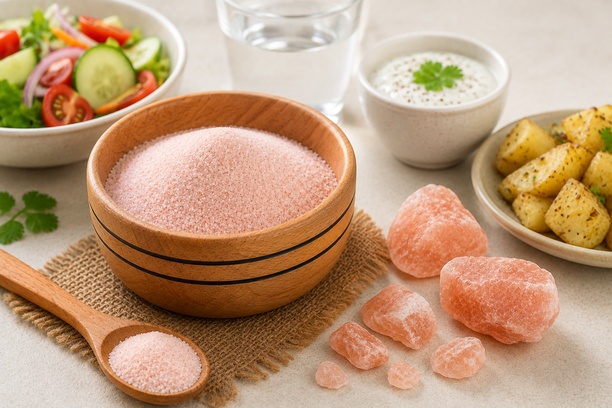
When it comes to the kitchen basics, salt is one of the most basic ingredient yet you can make a difference by selecting the right kind of salt. Himalayan pink rock salt or sendha namak is gaining popularity due to its natural pink colour, unique taste, and traditional use in Indian cooking.
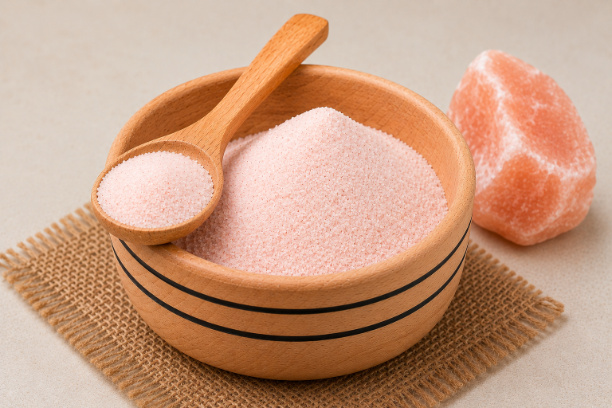
Whereas for many individuals, salt may simply be an ordinary ingredient in their cooking, in India, it is more than just that. Salt is an important ingredient in all types of cooking practices that take place in the Indian kitchen. From all the different types of salt that are traditionally used, sendha namak, or rock salt, takes precedence.
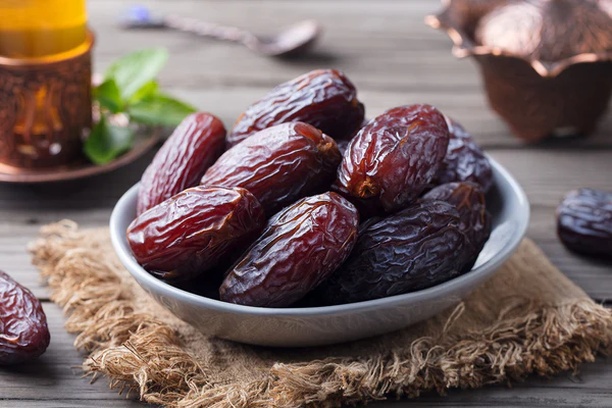
Medjool dates are huge fruits that are naturally sweet and soft-textured. They are considered a snack food and are also popular in making smoothies, desserts, breakfast bowls, and home-made energy bites. Apart from their wonderful flavor, Medjool dates are sources of naturally occurring carbohydrates, dietary fiber, and essential minerals.
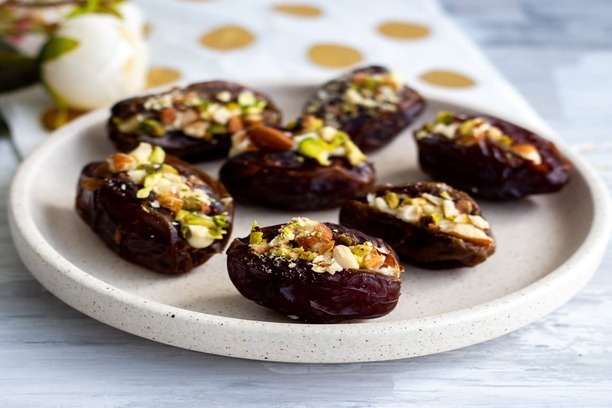
In addition to being tasty and nutritious, Medjool dates also have a chewy nature that makes them more than just a snack. The flavor of the Medjool dates is very caramel in nature and extremely suitable for use in breakfasts, desserts, beverages, and even savories.
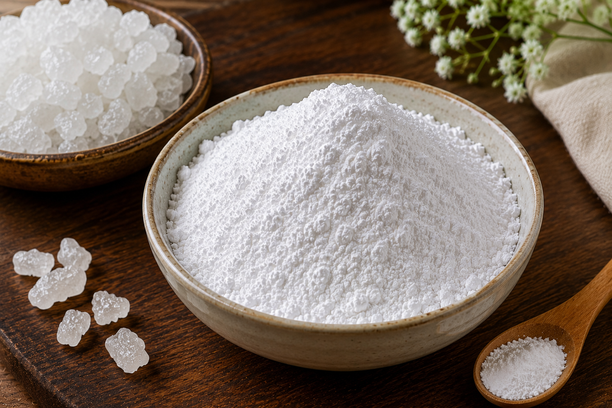
The usage of sweetness is common in the Indian food culture; however, the manner in which the sweetener is used has great significance while preparing and cooking the meal. The Mishri Powder comes with the flavor of sweetness that is commonly found in Mishri, except in powder form.
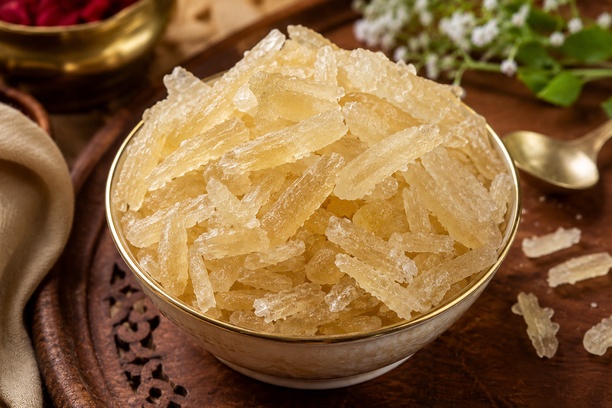
Mishri Dhaga is a natural Indian sweetening agent known for its distinct crystal strands, subtle sweetness, and multiplicity of applications. As opposed to regular sugar, the bigger crystals of Mishri are what give it its unique texture and popularity as a dessert sweetening ingredient in post-meal occasions, mixing into drinks, and special ceremonies.
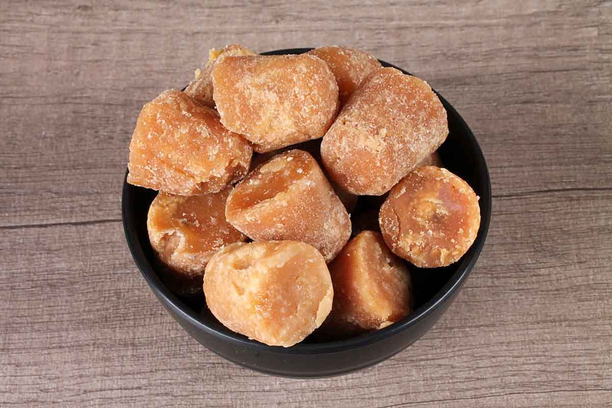
Gur or jaggery is one of the most common forms of traditional sugar used in Indian households. Jaggery has a unique golden or dark brown colour due to its preparation through sugarcane juice concentration.
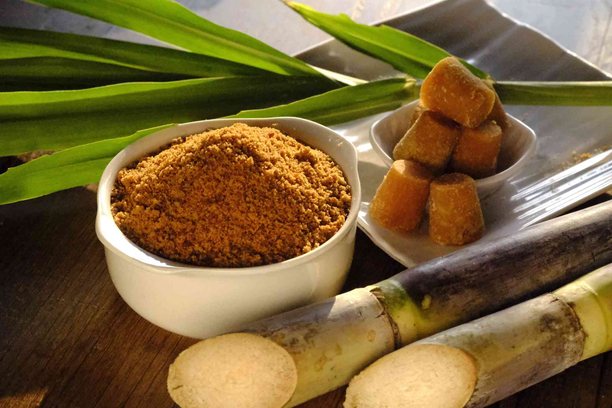
Jaggery, or as it is referred to as gur, is an integral part of Indian cuisine. It is mainly made from sugarcane juice and is prepared through a process that is much simpler than the process for making refined sugar.
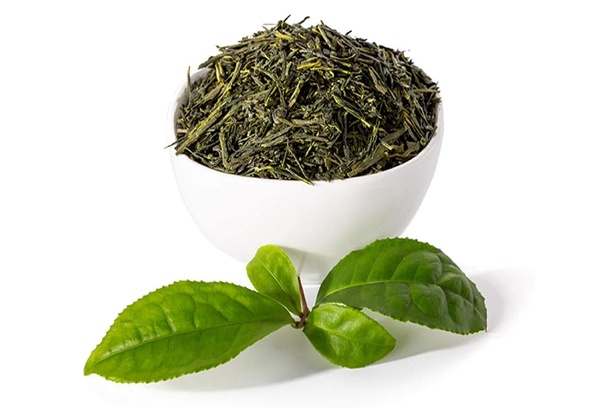
Tea is an integral part of our daily routine. For most individuals, the morning starts off with a cup of tea, whereas evenings are spent relaxing with a cool glass of tea with their loved ones. Tea is much more than just a drink, thanks to its unique taste and aroma.
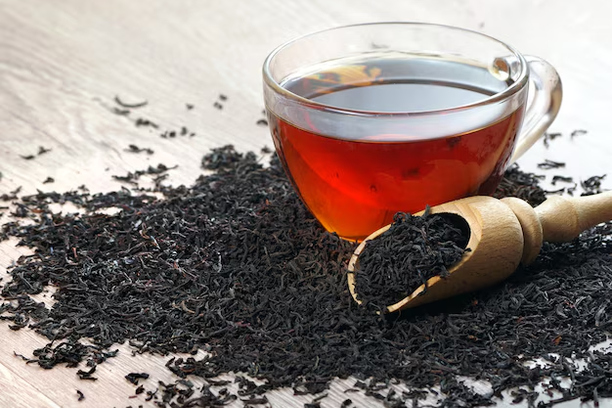
Tea is not only a drink but also a comforting ritual for social gathering. Starting from early morning tea to tea time at the end of the day, tea comes in various ways like milk tea, black tea, and even masala chai.
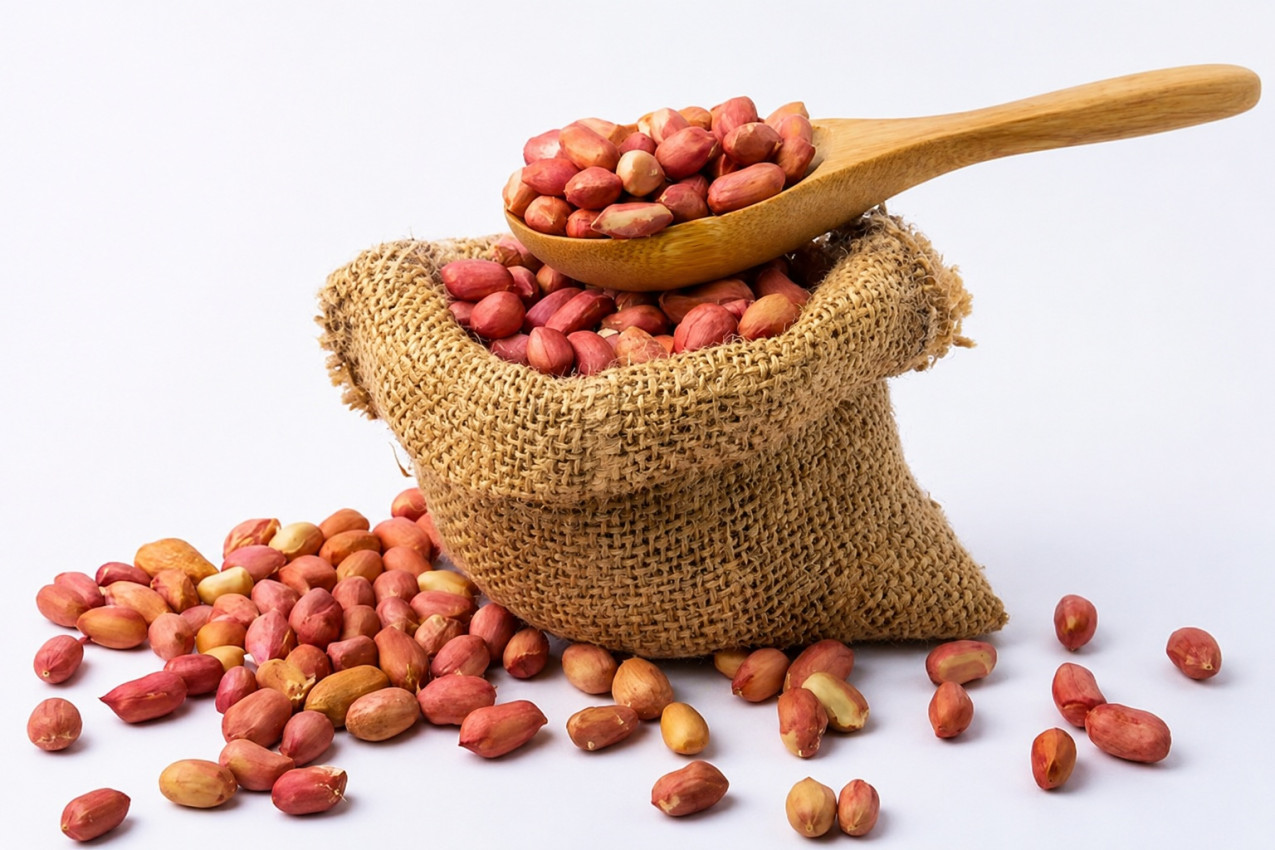
Groundnuts or moongfali are a very nutritious element that has found its way into the kitchens of India for a long time now. These nuts have the natural flavor of being rich and nutty with a crunch to it; hence, these nuts can be utilized in making a variety of foods.
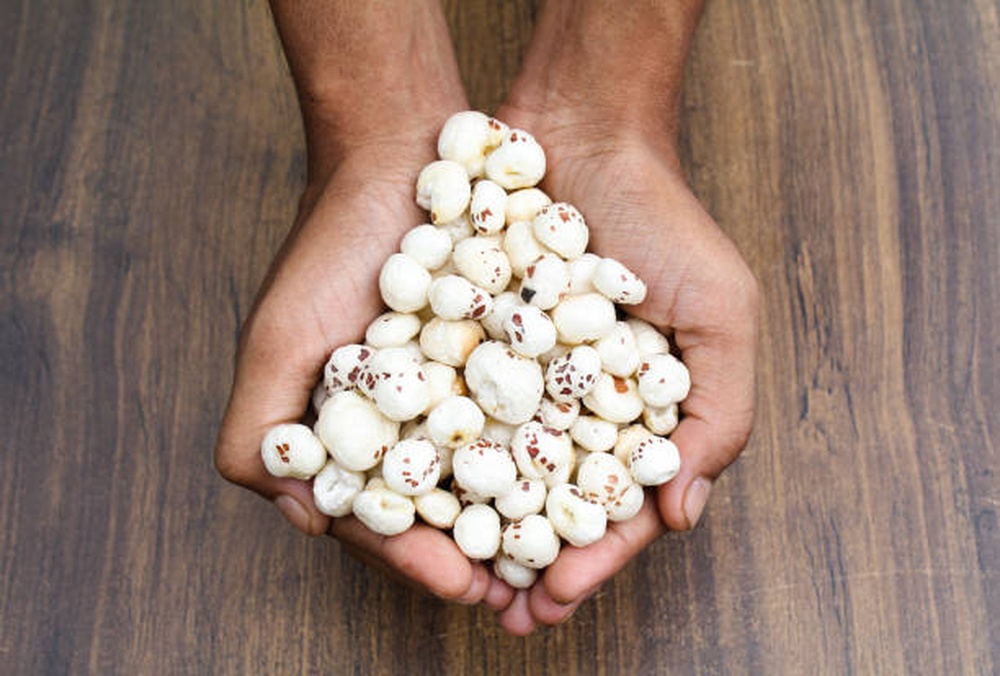
Makhana, which is also called fox nuts or lotus seeds, is an ingredient that has always been dear to Indian food culture. Whether it was being used in fasting dishes, festivals or even in snacks, the crunchy and light ingredient has been used by households all over India. In modern times, makhana is gaining more and more recognition as a wholesome snack.
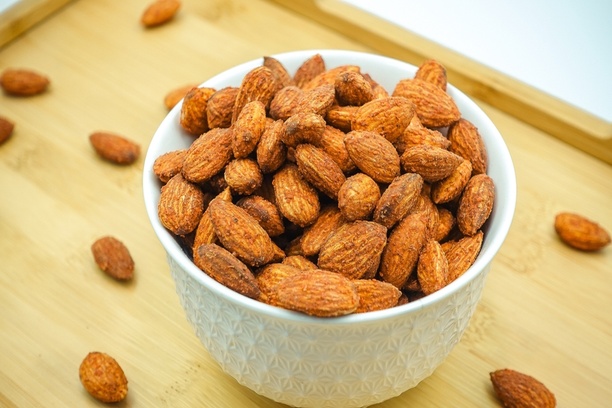
Often called “nature’s multivitamin in a shell,” almonds are one of the most studied nuts in nutrition science. With a rich profile of healthy fats, fiber, vitamins, minerals, and bioactive compounds, almonds show promise in helping prevent or mitigate several chronic diseases.
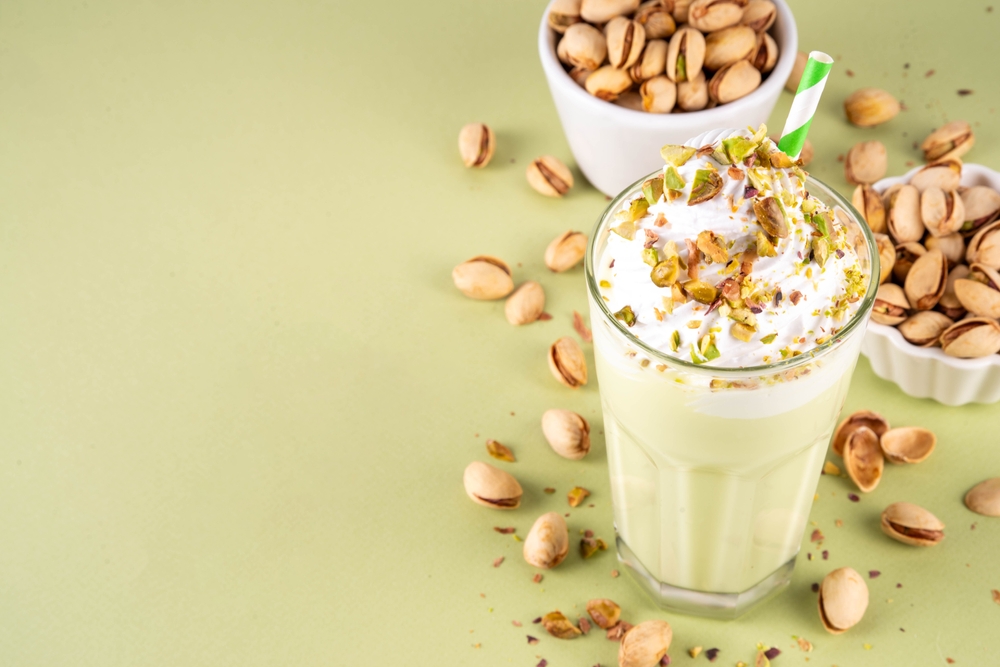
When the sun glares high and your energy dips low, nothing refreshes quite like a chilled Pistachio Milkshake — creamy, cooling, and quietly powerful. This modern favourite is more than a summer indulgence; it’s a natural protein shake, loaded with nutrients that nourish both body and mind.

In India, gifts often speak where words cannot. When you present a basket of dry fruits, you’re not just offering taste — you’re offering togetherness, health, and heartfelt blessings.
 App Store
 Play Store